|
|
: Relora®:
Lower Cortisol 37% and boost DHEA 227%
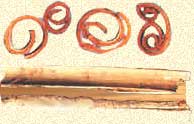 |
The bark of the herb Magnolia officinalis
(Magnolia herb) has been used in traditional Chinese Medicine
as Hou Po for 1500 years for stress reduction and muscle
tension. Hou Po is bitter and pungent in taste and warm
in nature. |
The bark and flower buds of Magnolia
officinalis used in Oriental Medicine contain tannins, alkaloids,
essential oils, honokiol, magnoflorine, magnolol and isomagnolol.
Hou Po is taken as a tea, tincture or in capsules. Magnolia
bark aids abdominal weight loss by enhancing coordination between
the spleen and stomach, relieving fullness or distention of the excess
type in the epigastrium and abdomen caused by retention of dampness,
food stagnancy and stagnation of qi. Therapeutic actions via the Spleen,
Stomach, Lung and Large Intestine meridians include:
-
relieving pressure,
fullness and oppression in the abdomen
-
promoting
circulation
of qi
-
eliminating
dampness
-
removing
food stagnation
-
relieving
dyspnea, asthma, cough and bronchitis
- helps cases with abundant expectoration
-
antimicrobial
(helps malaria, typhoid)
-
amoebicidal
(helps dysentery)
-
carminative
(helps relieve gas)
-
antiemetic
(eases vomiting)
-
antidiarrheal
(helps colic)
-
sooths rheumatism,
ulcers
|
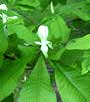
Magnolia herb
& flower |
Caution:
Magnolia bark tends to be warm
and dry in nature and has strong efficacy in promoting the circulation
of qi . It should be used carefully in patients with interior heat
and loss of body fluid and with deficiency of the spleen-qi and
stomach-qi.
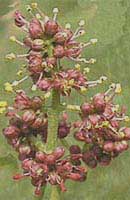 Phellodendron flower
|
Relora® is a unique all natural
dietary supplement helps those suffering from stress related
irritability, restlessness, food cravings, snacking, weight
gain, and poor sleep quality to relax and reclaim a sense of
stability and well being without the drowsiness of Kava or the
side effects of St. John's Wort: |
The unique, patented botanical
extracts in Relora® offer the relaxing qualities of the benzodiazepine
class of drugs like Valium™ without negative side effects
and validated in anxiolytic animal models. In addition, it normalizes
hormone levels associated with stress-induced obesity and poor eating
and drinking behaviors. Relora is an exciting new natural anti-anxiety,
anti-stress relief formula that helps control stress-related eating
and drinking that is non-sedating with potential anti-depressant
properties.
Relora® has been shown to
reduce Cortisol levels by 37% and increase DHEA levels by 227%.
High levels of Cortisol is found to decrease the secretion of the
thyroid hormone responsible for regulating metabolism
(article in the June 18, 2002 issue of Woman's World). High cortisol
levels cause:
|
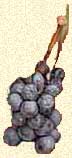
Phellodendron fruit |
Anxiety is being shown to play
a significant role in a wide variety of conditions and disease states.
Recent work from the National Institute of Health (NIH) and other
major research centers has demonstrated that anxiety is a significant
contributor to excess body fat, immune dysfunction, cardiovascular
disease and other age-related disorders. Pharmaceutical companies
with anxiolytic drugs have launched major consumer advertising campaigns
that are fueling the awareness of these problems. Relaxora contains
the first natural ingredient to be specifically targeted to anxiety.
Relora® is an all-natural
proprietary blend of plant extracts from Magnolia officinalis
and Phellodendron amurense that is not habit-forming. Stress
has been shown to play a significant role in a wide variety of conditions
and disease states. Recent work from the National Institute of Health
(NIH) and other major research centers has demonstrates that stress
is a significant contributor to excess body fat. This condition
is related to stress-induced hormone imbalances, specifically cortisol
and DHEA imbalance. Relora can normalize cortisol and DHEA levels
in stressed individuals, induce relaxation and act as an aid in
controlling weight and stress-related eating and/or drinking. Hormones
not only affect emotional well being but also impact appetite and
how the body stores and metabolizes fat. Relora enhances mental,
emotional and physical vitality which can have a strong positive
effect on weight loss efforts. Relora is the perfect adjunct to
a planned weight-loss and exercise regimen.
Relora is a natural dietary
supplement developed to improve mood, help stressed individuals
relax, and to normalize the hormones related to stress-induced eating.
80 percent of stressed adults studied feel more relaxed with Relora.
Relora has also been shown in a pilot study to normalize cortisol
levels in stressed individuals. Preliminary findings suggest that
Relora can decrease the cravings for high fat, high sugar foods
in stressed individuals.
Results of Open Human Trial:
-
8 out of
10 people felt more relaxed
-
7 out of
10 people enjoyed more restful sleep
-
9 out of
10 people said it was gentle on the stomach
Stress & Obesity
Chronic stress can cause cravings
for cookies, candy, chips and other high-fat, high-carbohydrate
foods. The stress-driven appetite for these foods leads to dangerous
weight gain, primarily around the waist. Sixty percent (60%) of
American adults are overweight or obese, much of which is due to
stress-related food cravings. Over twenty percent (20%) of American
adults are obese with a stress-related condition known as "metabolic
syndrome." This condition is characterized by a “beer
belly”, high blood pressure, poor cholesterol readings and
high blood sugar.
According to Dr. Pamela Peeke,
a former scientist at the National Institutes of Health and associate
clinical professor of medicine at the University of Maryland School
of Medicine, people with an apple-shaped figure are at greater risk
for heart disease, stroke, diabetes, and some types of cancer. "It's
not just what you weigh; it's where you weigh it," says Dr.
Peeke, author of Fight Fat After Forty (Viking).
Until recently there were few
known predictors of stress-induced eating. While most adults who
have sugar and/or fat cravings under stress are aware of their out-of-control
appetite, scientists have had difficulty in demonstrating actual
cause and effect. Dr. Elissa Epel and colleagues at the University
of California, San Francisco have now clearly shown that individuals
who are high reactors to the stress hormone called cortisol, consume
more calories and more sweet foods under stress. Their recent study
also demonstrated that greater food consumption occurred in high
cortisol reactors when they were in a negative mood.
Relora®, a natural dietary
supplement developed by Next Pharmaceuticals, Inc. in Irvine California,
was developed to improve mood, help stressed individuals relax,
and to normalize the hormones related to stress-induced eating.
Eighty percent (80%) of stressed adults studied feel more relaxed
with Relora®. Relora® has also been shown in a pilot study
to normalize cortisol levels in stressed individuals. Preliminary
findings suggest that Relora® can decrease the cravings for
high fat, high sugar foods in stressed individuals, most likely
due to its ability to normalize stress hormone levels that cause
these cravings.
Controlling Weight
by Managing Stress
In central nervous system receptor
binding assays, the plant extracts in Relora® bind to several
important targets associated with anxiety. It does not bind to the
benzodiazepine receptors that would cause sedation, yet has the
relaxing qualities of the benzodiazepine class of drugs in a validated
anxiolytic animal model. In addition, it normalizes hormone levels
associated with stress-induced obesity and eating/drinking behavior.
Stress has been shown to play a significant role in a wide variety
of conditions and disease states. Recent work from the National
Institute of Health (NIH) and other major research centers has demonstrated
that stress is a significant contributor to immune dysfunction,
cardiovascular disease, other age-related disorders, and to excess
body fat. Over twenty percent (20%) of adults have an obesity-like
condition characterized by an excessive amount of abdominal fat.
This condition is related to stress-induced hormone imbalances,
especially imbalances of cortisol and DHEA. Until now, the only
course of action for loosing this fat has been stress reduction
with exercise and diet. Relora® can normalize cortisol and DHEA
levels in stressed individuals, induce relaxation, and act as an
aid in controlling weight and stress-related eating or drinking.
Research finds 8 out
of 10 people have better sleep and relaxation with Relora®
In a clinical study conducted
at the Living Longer Clinic in Cincinnati, 50 people suffering from
chronic stress were administered 200 mg of Relora® three times
daily for two weeks. Results showed that 8 out of 10 participants
felt more relaxed and 7 out of 10 enjoyed more restful sleep. Post
trial analysis revealed 78% of the patients felt more relaxed, and
while the product does not cause significant sedation 74% of the
patients also experienced a restful night’s sleep. Only 24%
of participants reported drowsiness. In addition, Relora® was
judged to be gentle on the stomach by 94% of the subjects, and no
significant side effects were reported.
Stress and Food Cravings
Chronic stress can cause cravings
for cookies, candy, chips and other high-fat, high-carbohydrate
foods that may lead to weight gain. While most adults who have sugar
and fat cravings under stress are aware of their unhealthy appetite,
scientists have had difficulty in demonstrating actual cause and
effect. However, Dr. Elissa Epel and colleagues at University of
California, San Francisco has shown that individuals who are high
reactors to cortisol, consume more calories and more sweet foods
under stress. Their recent research also demonstrated that greater
food consumption occurred in high cortisol reactors when they were
in a negative mood. Elevated levels of cortisol and lowered levels
of DHEA are associated with chronic stress. Relora® has been
shown to help normalize levels of cortisol and DHEA helping to control
stress-related eating and weight gain. A second trial conducted
at the Living Longer Clinic measured cortisol and DHEA levels in
patients with mild to moderate stress. A two-week regimen of Relora®
caused a 227% increase in salivary DHEA and a 37% decrease in salivary
cortisol levels, as amounts of each of these substances returned
to normal in all subjects during the course of Relora® therapy.
According to Dr. James LaValle,
Director of the Living Longer Clinic, "Relora® appears
to work with the body's natural chemistry to maintain normal levels
of stress hormones. Not only do these stress hormones affect emotional
well-being, they have a major impact on appetite and how the body
stores and metabolizes fat. By working to re-establish a stable
balance of these hormones Relora® appears to help the stress/weight
cycles in individuals that eat excessive sweets when under stress."
How does it work?
Relora® was designed and
evaluated to help control stress-related symptoms such as irritability,
emotional ups and downs, restlessness, tense muscles, poor sleep,
and concentration difficulties. It uses an advanced combination
of magnolia and phellodendron extracts to help normalize levels
of the cortisol and DHEA hormones in the body to promote the management
of stress related symptoms. Relora® works by binding to stress
receptors in the nervous system to promote relaxation and feelings
of well being while ignoring receptors associated with sedation.
Animal Model
The plant extracts in Relora
have been shown to be an effective non-sedating anti-stress product
in an animal model known as the "Chick Social Separation-Stress
Procedure." The excellent results of the patent-pending extracts
in Relora using this model were published in Psychopharmacology
(2001) 153:219-234.
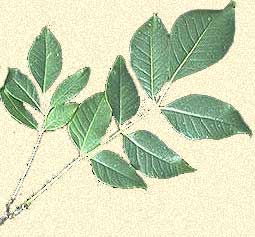 Phellodendron leaf
|
Safety Studies
An extensive literature
review of the chemical constituents along with the parent
plants' use for hundreds of years indicates that this material
is safe for its intended use. An acute toxicity study in rats
(5g/kg) with 14-day observation revealed no untoward effects
of the individual extracts or the combination in Relora except
mild diarrhea and slight sedation in female rats. No side
effects are expected at the recommended human dosage. |
Human Trials
The first formulation of Relora®
was tested and found to be a safe, effective, rapid acting, non-sedating
dietary supplement that helps control occasional mild anxiety. Fifty
(50) subjects were treated with Relora® for two weeks. The recommended
dosage was 200mg of Relora®three times daily. (The new and improved
Relora dosage is 250mg three times daily.) Based on pre-clinical
studies, Relora® was designed and evaluated against the following
concepts: Relora® helps control occasional mild anxiety or mild
depression and the associated symptoms including irritability, emotional
ups and downs, restlessness, tense muscles, poor sleep and concentration
difficulties.
Post-trial analysis revealed
an excellent agreement (82%) with the pretrial concept. Relaxation
was reported by 78% of the patients. Though the product does not
cause significant sedation, 74% of the patients had a restful sleep.
No significant side effects were reported. When subjects were asked
about drowsiness, only 24% reported that they were drowsy. Relora®
was judged to be gentle on the stomach by 94% of the subjects. A
second trial was undertaken to measure cortisol and DHEA levels
in patients with mild to moderate stress. Elevated cortisol levels
and depressed DHEA levels are associated with chronic stress. A
two-week regimen of Relora® caused a significant (P = 0.003)
increase in salivary DHEA (227%) and a significant (P = 0.01) decrease
in morning salivary cortisol levels (37%). These significant findings
support Relora’s ability to relieve stress and its potential
role in weight control and stress-related eating and drinking behavior.
There are many possible considerations
for use of Relora®:
-
Body fat
close to 20% or more of total body mass (BMI)
-
Over weight
by at least 10 pounds
-
Abdominal
weight loss
-
Diabetes
or history of diabetes in the family
-
Blood pressure
close to 140 or higher
-
Above average
abdominal body fat
-
Above normal
stress and anxiety
-
Difficulty
sleeping
-
Desire to
find an alternative or complement prescription drugs
-
Smoker
Stress
-
America's
#1 Health Problem
-
43% of all
adults suffer adverse health effects due to stress
-
79%-90% of
all visits to primary care physicians are for stress-related
complaints or disorders
-
Stress has
been linked to all the leading causes of death, including heart
disease, cancer, lung ailments, accidents, cirrhosis, and suicide.
Natural Stress Management
with Relora:
-
78% of adults
feel more relaxed after supplementing with Relora.
-
Relora normalizes
the hormone levels responsible for stress-induced eating and
stress-related body fat.
-
74% of adults
have restful sleep after supplementing with Relora, even though
Relora does not cause sedation in most individuals.
 Phellodendron twig
|
Benefits
-
-
-
Lowers
stress related blood pressure
-
Controls
irritability, anxiety, depression, anger
-
Eases
muscular pains (headaches, back pain, jaw pain)
-
Eases
stomach, gut, and bowel problems
-
Lowers
risk of heart disease, cancer
-
-
Lose
abdominal and facial fat
-
Feel
relaxed
-
Enhances
immunity
-
Sleep
soundly
-
Improves
blood flow
-
|
Relora® is
a safe, natural anti-anxiety and stress-relief ingredient shown
to help stressed individuals relax and also regulate the hormones
associated with stress-related weight gain .
It has the added value of being non-sedating and non-addicting,
with potential anti-depressant qualities.
Stress and anxiety have been shown by the Natural Institute of Health
(NIH) and other research centers to play a significant role in a
wide variety of conditions and disease states, including cardiovascular
disease, immune dysfunction, excess body fat, and certain age-related
disorders. Stress-induced hormone imbalances, particularly in Cortisol
and dehydroepiandrosterone (DHEA), can contribute to these and other
diseases and disorders. High Cortisol levels have been shown to
be related to food cravings and over-eating in stressed individuals,
as well.
Relora binds to several important targets, including the serotonin
transporters in central nervous system receptor studies—and
does not bind to the benzodiazepine receptors that can cause sedation.
Key benefits of Relora:
-
Helps control
irritability, restlessness and tension
-
Enhances
mental, emotional and physical vitality
-
Induces relaxation
and restful sleep
-
Reduces abdominal
fat
-
Is non-sedating
and gentle on the stomach
Metabolic Syndrome:
According to Dr. James Lavelle of the Living Longer Wellness Clinic
in Cincinnati, Ohio, approximately 20% of Americans have metabolic
syndrome , a type of obesity (often characterized by increased abdominal
and facial fat) that is closely associated with increased risks
of diabetes, heart disease, high blood pressure, stroke and cancer.
Dr. Lavelle observes that most people who take Relora feel a significant
difference in their stress levels and eating behaviors within just
four weeks, when they combine Relora intake with these simple actions:
Melt Tummy Fat:
Abdominal Weight Loss
A simple solution for metabolic syndrome, a disorder that is keeping
as many 47 million of us over weight and frustrated.
A new, natural, patent-pending herbal supplement for relieving stress,
anxiety, irritability and tension, and reducing stress-related
eating behaviors and subsequent weight gain
Relora is an effective ingredient that not only relieves stress,
but also significantly decreases Cortisol and increases DHEA levels,
two hormones closely related to stress-induced eating and subsequent
weight gain.
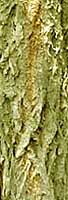
Phellodendron
outer bark

Phellodendron inner
bark
|
Relora® is a proprietary blend
of botanical extracts of Magnolia officinalis and
Phellodendron amurense with standardization at 1.5%
honokiol and 0.1% Berberine.
Serving size: 1 Vcaps®
vegetarian capsule
Servings per bottle: 60
Suggestion for use: As an herbal dietary supplement, take
1 Vcaps® 2 to 3 times daily
Free of sugar, salt, yeast, wheat, gluten, soy, milk or preservatives
Other Ingredients: Rice
Flour, Cellulose (capsule), Modified Food and Corn Starch,
Silica and Magnesium Stearate (vegetable source)
Vcaps® is a trademark
of Capsugel.
Relora® proprietary blend of plant extracts: 300 mg
|
Botany
Magnolia is named for the French pharmacognocist,
Pierre Magnol, M.D. (1638-1715), son of an apothecary and whose
mother came from a family of physicians. Magnol was a graduate of
the Medical College of Montpellier (1659), recipient of the honorary
title brevet de medecin royal given by the King of France
(1663), Catholic convert from Calvinism (1685), demonstrator of
botany (1687), royal professor of medicine: brevet de professeur
royal (1694), director of the botanical garden with lettres
de noblesse (1697), a founding member of the Société
Royale des Sciences de Montpellier (1706), and was appointed
to the Académie Royale des Sciences in Paris (1709).
Magnol's brilliant work, in which he frequently added notes on the
medicinal and other uses of plants to his organized tables of plant
classification, later inspired the founder of the current scientific
Linnaean taxonomy (plant classification system), the eighteenth-century
botanist, Carl von Linne (in Latin: Carolus Linnaeus).
Linnaeus
was the son of an avid gardener and a Lutheran pastor in Sweden.
His family hoped he would become a priest, but he went to the University
of Lund in 1727 to study medicine, transferred to the University
of Uppsala and completed his medical degree at the University of
Harderwijk in the Netherlands in 1735. Training in botany was part
of the medical curriculum, for every doctor had to prepare and prescribe
drugs derived from medicinal plants. He practiced medicine in Sweden
and was awarded a professorship at Uppsala in 1741. His most famous
student, Daniel Solander, was the naturalist on Captain James Cook's
first round-the-world voyage, and brought back the first plant collections
from Hawaii, Australia and the South Pacific to Europe.
Linnaeus' faith was natural
theology, a school of thought established by Saint Thomas Aquinas.
Since God created the world, we can see God's wisdom by studying
His creation. Natural theology is the science of God, so far as
God can be known by the light of reason. It is the science that
God extended through self revelation. Linnaeus wrote in the preface
to a late edition of Systema Naturae: "Creationis
telluris est gloria Dei ex opere Naturae per Hominem solum":
"The Earth's creation is the glory of God, as seen from the
works of Nature by Man alone." The naturalist's task was to
construct a natural classification that reveals the Divine Order
of the universe.
However, Linnaeus's plant taxonomy
was based solely on the number and arrangement of the reproductive
organs; a plant's class was determined by its stamens (male organs),
and its order by its pistils (female organs). This resulted in unnatural
groupings. "Plants" without obvious sex organs were classified
in the Class Cryptogamia, or "plants with a hidden marriage,"
which lumped together the algae, lichens, fungi, mosses and other
bryophytes, and ferns. Linnaeus admitted that this was an "artificial
classification," not a natural one, which would take into account
all the similarities and differences between organisms. But like
many naturalists of the time, in particular Erasmus Darwin, Linnaeus
attached great significance to plant sexual reproduction, which
had only recently been rediscovered. Linnaeus wrote in 1729: "The
flowers' leaves. . . serve as bridal beds which the Creator has
so gloriously arranged, adorned with such noble bed curtains, and
perfumed with so many soft scents that the bridegroom with his bride
might there celebrate their nuptials with so much the greater solemnity.
. ."
The sexual basis of Linnaeus's
plant classification was controversial and failed in many cases.
Later systems of classification largely follow John Ray's practice
of using morphological evidence from all parts of the organism in
all stages of its development. What survived of the Linnean system
is its method of hierarchical classification and custom of binomial
nomenclature.
Since Aristotle, biologists
used the word genus for a group of similar organisms, and
then sought to define the differentio specifica: the specific
difference of each type of organism. Linnaeus' innovation was the
grouping of genera into higher taxa that were also based on shared
similarities with genera grouped into orders, orders into classes,
and classes into kingdoms. Later biologists added additional ranks
between these to express additional levels of similarity.
Before Linnaeus, species naming
practices varied. For instance, the common wild briar rose was referred
to by some botanists as Rosa sylvestris inodora seu canina
and by others as Rosa sylvestris alba cum rubore, folio glabro.
With great numbers of plants and animals being brought to Europe
from Asia, Africa, and the Americas, Linnaeus simplified naming
by designating one Latin name for the genus, and one for the species.
Thus in his two-volume work Species Plantarum (The Species of Plants),
Linnaeus renames the briar rose with the still-used binomial ("two
names") species name: Rosa canina. The oldest plant
names accepted as valid today are those published in Species Plantarum
in 1753, while the oldest animal names are those in the tenth edition
of Systema Naturae (1758), the first edition to use the binomial
system throughout. Although Linnaeus was not the first to use binomials,
he was the first to use them consistently.
Linnaeus's hierarchical classification
and binomial nomenclature, much modified, have remained standard
for over 200 years. His writings have been studied succeeding generations
of naturalists, including Erasmus Darwin and Charles Darwin.
| Linnaean Classification |
Phellodendron amurense
|
Magnolia officinalis |
| Kingdom |
Plantae
– Plants |
| Subkingdom |
Tracheobionta
– Vascular plants |
| Superdivision |
Spermatophyta
– Seed plants |
| Division |
Magnoliophyta
– Flowering plants |
| Class |
Magnoliopsida
– Dicotyledons |
| Subclass |
Rosidae |
Magnoliidae |
| Order |
Sapindales |
Magnoliales |
| Family |
Rutaceae – Rue family |
Magnoliaceae |
| Genus |
Phellodendron Rupr. – corktree |
Magnolia |
| Species |
Phellodendron amurense Rupr. –
Amur corktree |
officinalis |
Patent:
United States Patent
Application: 20030206975
Kind Code: A1
Stogniew, Martin; et al.
November 6, 2003
Compositions and methods
of use for extracts of magnoliaceae plants
Abstract
The invention relates to compositions
and methods for preventing, treating, or managing sleeplessness,
restlessness, weight gain including weight gain due to stress or
lack of sleep, or all three comprising the administration of a prophylactically
and therapeutically effective amount of Magnoliaceae plant or extracts
thereof to a mammal in need of such therapy. Preferably the mammal
is human and the compositions have comprise at least two compounds
selected from magnolol, honokiol, and magnoflorine. Alternatively,
the compositions may also comprise about 2% honokiol by weight of
the composition.
Inventors: Stogniew,
Martin (Blue Bell, PA); Garrison, Robert JR (Carlsbad, CA)
Correspondence Name and Address: STETINA BRUNDA GARRED & BRUCKER
75 ENTERPRISE, SUITE 250
ALISO VIEJO, CA 92656 US
Serial No.: 423506
Series Code: 10
Filed: April 25, 2003
U.S. Current Class: 424/725
U.S. Class at Publication: 424/725
Intern'l Class: A61K 035/78
Claims
What is claimed is:
-
A composition of Magnoliaceae
plant extract comprising at least two compounds selected from
the group consisting of magnolol, honokiol, and magnoflorine wherein
honokiol is present in an amount of about 2% by weight of the
composition.
-
The composition of claim
1, wherein the Magnoliaceae plant was extracted using a solvent
selected from the group consisting of a lower alcohol, water,
or mixtures thereof.
-
A composition according
to claim 1, further comprising a pharmaceutically acceptable carrier
or excipient.
-
The composition according
to claim 1, wherein the composition is a pharmaceutical composition
for human use.
-
A unit dosage form comprising
the composition according to claim 1 and a physiologically acceptable
diluent or carrier.
-
The unit dosage form according
to claim 5 suitable for parenteral or oral administration to a
human.
-
The composition according
to claim 1, wherein the Magnoliaceae plant belongs to the genus
Liriodendron or Magnolia.
-
The composition according
to claim 1, wherein the Magnoliaceae plant extract is present
in an amount of about 25% to about 100% by weight of the composition.
-
The pharmaceutical composition
according to claim 4, further comprising at least one non-sedating
sleep inducing agent.
-
A Magnoliaceae plant extract
obtained by the process of: cutting or pulverizing a plant of
the family Magnoliaceae; extracting the cut or powdered plant
parts with a suitable aqueous solvent at refluxing temperature
for a time sufficient to form an extract; and concentrating the
extract under reduce pressure to obtain a Magnoliaceae plant extract,
wherein honokiol is present in an amount of about 2%.
-
A Magnoliaceae plant extract
comprising at least two compounds selected from the group consisting
of magnolol, honokiol, and magnoflorine obtained by extracting
a plant of the family Magnoliaceae with an aqueous organic solution,
separating and isolating the solution and reducing solution in
volume.
-
A method for treating or
preventing sleeplessness in a mammal which comprises administering
to a mammal in need thereof a therapeutically effective amount
of Magnoliaceae plant or a composition thereof wherein the Magnoliaceae
plant belongs to the genus Liriodendron or Magnolia.
-
A method for treating or
preventing sleeplessness in a mammal which comprises administering
to a mammal in need of sleeplessness treatment a therapeutically
effective amount of a Magnoliaceae plant extract or a composition
thereof.
-
The method according to
claim 13, wherein the extract is obtained using a solvent selected
from the group consisting of a lower alcohol, water, and mixtures
thereof.
-
The method according to
claim 14, wherein the extract is aqueous.
-
The method according to
claim 13, wherein the Magnoliaceae plant extract comprises at
least two compounds selected from the group consisting of magnolol,
honokiol, and magnoflorine.
-
The method according to
claim 13, wherein the Magnoliaceae plant extract comprises about
2% of honokiol.
-
A method for inducing restful
sleep in a mammal which comprises administering to a mammal in
need thereof a therapeutically effective amount of a Magnoliaceae
plant or a composition thereof wherein the Magnoliaceae plant
belongs to the genus Liriodendron or Magnolia.
-
A method for inducing restful
sleep in a mammal which comprises administering to a mammal in
need thereof a therapeutically effective amount of a Magnoliaceae
plant extract or a composition thereof.
-
The method according to
claim 19, wherein the extract is obtained using a solvent selected
from the group consisting of a lower alcohol, water, and mixtures
thereof.
-
The method according to
claim 20, wherein the extract is aqueous.
-
The method according to
claim 19, wherein the Magnoliaceae plant extract comprises at
least two compounds selected from the group consisting of magnolol,
honokiol, and magnoflorine.
-
The method according to
claim 19, wherein the Magnoliaceae plant extract comprises about
2% of honokiol.
-
A method for treating or
preventing restlessness in a mammal which comprises administering
to a mammal in need thereof a therapeutically effective amount
of Magnoliaceae plant or a composition thereof wherein the Magnoliaceae
plant belongs to the genus Liriodendron or Magnolia.
-
A method for treating or
preventing restlessness which comprises administering to a mammal
in need of sleeplessness treatment a therapeutically effective
amount of a Magnoliaceae plant extract or a composition thereof.
-
The method according to
claim 23, wherein the extract is obtained using a solvent selected
from the group consisting of a lower alcohol, water, and mixtures
thereof.
-
The method according to
claim 25, wherein the extract is aqueous.
-
The method according to
claim 24, wherein the Magnoliaceae plant extract comprises at
least two compounds selected from the group consisting of magnolol,
honokiol, and magnoflorine.
-
The method according to
claim 24, wherein the Magnoliaceae plant extract comprises about
2% of honokiol.
-
The method according to
claim 24, wherein said mammal is a human.
-
The method according to
claim 24, wherein said human is a male.
-
The method according to
claim 24, wherein said human is a female.
-
A method for treating or
preventing weight gain in a mammal which comprises administering
to a mammal in need thereof a therapeutically effective amount
of Magnoliaceae plant or a composition thereof wherein the Magnoliaceae
plant belongs to the genus Liriodendron or Magnolia.
-
A method for treating or
preventing weight gain in a mammal which comprises administering
to a mammal in need thereof a therapeutically effective amount
of a Magnoliaceae plant extract or a composition thereof.
-
The method according to
claim 34, wherein the weight gain is due to stress or lack of
sleep.
-
The method according to
claim 34, wherein the extract is obtained using a solvent selected
from the group consisting of a lower alcohol, water, and mixtures
thereof.
-
The method according to
claim 36, wherein the extract is aqueous.
-
The method according to
claim 34, wherein the Magnoliaceae plant extract comprises at
least two compounds selected from the group consisting of magnolol,
honokiol, and magnoflorine.
-
The method according to
claim 34, wherein the Magnoliaceae plant extract comprises about
2% of honokiol.
-
The method according to
claim 34, wherein the mammal is a human.
-
The method according to
claim 34, wherein the human is an obese male.
-
The method according to
claim 34, wherein the human is an obese female
-
The method according to
claim 34, wherein the human is a male of average weight
-
The method according to
claim 34, wherein the human is a female of average weight.
-
The method according to
claim 34, wherein the human is not concurrently utilizing a secondary
dietary supplement for weight control.
Description
[0001] This application claims the benefit of U.S. Provisional Application
No. 60/255,402 filed Dec. 15, 2000, which is incorporated by reference
herein in its entirety.
1. INTRODUCTION
[0002] The present invention
relates to novel methods and compositions for the treatment, prevention,
or management of sleeplessness, restlessness and weight gain. The
methods and compositions utilize plants, portions thereof or extracts
therefrom belonging to the Magnoliaceae family. In addition, the
methods and compositions utilize mixtures of specific small molecules
extracted from the plants belonging to the family Magnoliaceae,
such as, but not limited to, magnolol, honokiol, and magnoflorine.
The unique compositions of the invention may also comprise various
amounts of the Magnoliaceae plant, plant extract, plant extracts
combined with different amounts of biologically active small molecules
or other therapeutic agents. These compositions are particularly
useful for the treatment of sleeplessness, restlessness and weight
gain in humans. The invention also encompasses various modes of
administration of the therapeutic extracts or other compositions
of the invention.
2. BACKGROUND OF THE
INVENTION
[0003] The recent growth in
sales of natural products labeled as dietary supplements in the
United States has renewed scientific interest in the study of the
prophylactic and therapeutic effects of multi-component botanical
products. Unlike single entity pharmaceutical products, botanical
products comprise a large number of diverse chemical constituents
that often act synergistically to exert a desired biological effect.
The type of extraction process utilized and the manner in which
the formulation is standardized have dramatic effects on the pharmacological
activity of the final product. The development of new botanical
products requires multidisciplinary effort consisting of expertise
in ethnobotany, natural product chemistry, analytical chemistry,
pharmacology, and natural product extraction.
[0004] 2.1 Sleeplessness, Restlessness and Weight Control
[0005] Sleep is necessary for survival and good health, but why
sleep is needed or exactly how it benefits people is not fully understood.
Individual requirements for sleep vary widely; healthy adults may
need as few as 4 hours or as many as 9 hours of sleep every day.
Most people sleep at night, but many must sleep during the day to
accommodate work schedules. This situation often leads to sleep
disorders. Most sleep disorders are common.
[0006] How long a person sleeps and how rested a person feels on
waking can be influenced by may factors, including excitement or
emotional distress. Medications also can play a part; some medications
make a person sleepy while other makes sleeping difficult. Even
some food elements of additives such as caffeine, strong spices,
and monosodium glutamate (MSG) may affect sleep.
[0007] Sleep is not a uniform state; it has several distinct stages
through which it normally cycles five or six times every night.
Sleep progresses from stage 1 (the lightest level, during which
the sleeper can be awakened easily) to stage 4 (the deepest level,
during which waking the sleeper is difficult). In stage 4, the muscles
are relaxed, the blood pressure is at the lowest, and the heart
and breathing rates are at their slowest. Besides these four stages,
there is a form of sleep accompanied by rapid eye movements (REM)
and behavioral activity. During REM sleep, electrical activity in
the brain is unusually high, somewhat resembling that of wakefulness.
The eye movement and brain wave changes that accompany REM sleep
can be recorded electrically on an electroencephalogram (EEG).
[0008] In REM sleep, the rate and depth of breathing increase, but
the muscles are greatly relaxed more so than during the deepest
levels of non-REM sleep. Most dreaming occurs during REM and stage
3 sleep, while most talking during sleep, night terrors, and sleepwalking
occur during stages 3 and 4. During a normal night's sleep, REM
sleep immediately follows each of the five or six cycles of four-stage
non-REM sleep, but it can occur at any of the stages.
[0009] If emotional stress is causing the sleep disorder, treatment
to relieve the stress is more useful than taking sleep medication.
When the sleep disorder is cause by depression, the depression should
be thoroughly evaluated and treated by a doctor. Some antidepressant
drugs can improve sleep because they have sedating properties. When
sleep disorders interfere with a person's normal activities and
sense of well-being, the intermittent use of sleep medications (sedatives,
hypnotics) may be useful.
[0010] A sedative drug decreases activity, moderates excitement,
and calms the recipient, whereas a hypnotic drug produces drowsiness
and facilitates the onset and maintenance of a state of sleep that
resembles natural sleep in its electroencephalographic characteristics
and from which the recipient can be aroused easily. The latter effect
sometimes is called hypnosis.
[0011] Nonbenozodiazepine sedative-hypnotic drugs belong to a group
of agents that depress the central nervous system (CNS) in a relative
nonselective, dose-dependent fashion, producing progressively calming
or drowsiness (sedation), sleep (pharmacological hypnosis), unconsciousness,
coma, surgical anesthesia, and fatal depression of respiration and
cardiovascular regulation.
[0012] Hypnotics (sedatives, minor tranquilizers, anti-anxiety drugs)
are among the most commonly used drugs. Most are quite safe, but
all can lose their effectiveness once a person becomes accustomed
to them. An undesirable side effect of hypnotics, however, are the
withdrawal symptoms when use is discontinued. After more than a
few days' use, discontinuing a hypnotic can make the original sleep
problem worse (rebound insomnia) and increase anxiety. Also most
hypnotics require a doctor's prescription because they may be habit-forming
or addictive, and overdose is possible. Hypnotics are particularly
risky for the elderly and for people with breathing problems because
they tend to suppress brain areas that control breathing. They also
reduce daytime alertness, making driving or operating machinery
hazardous. Hypnotics are especially dangerous when taken with alcohol,
other hypnotics, narcotics, antihistamines, and anti-depressants.
All of these drugs cause drowsiness and can suppress breathing,
making the combined effects more dangerous.
[0013] Stress plays a major role in weight management. Stress activates
the hypothalamic/pituitary/adrenal axis resulting in an increase
in cortisol levels. Cortisol increases the availability of glucose
through hepatic gluconeogeneses and the release of glucose substrates
from fat cells and muscles. The uptake of glucose is inhibited,
resulting in hyperglycemia and hyperlipidemia. The increase in cortisol
levels signals the brain that the body is in stress causing food
cravings, especially high fat, high sugar foods. These foods, in
turn, cause additional stress thereby fueling the stress-cortisol
cycle. Eventually, more fat is stored than the body needs unless
sufficient exercise is in place to compensate, or the stress is
reduced. Central nervous stimulants have been used to suppress appetite
in an attempt to counteract stress-induced appetite. This approach
not only aggravates the problem due to a direct CNS stimulation
effect, but also has a high abuse potential and several serious
side effects including cardiovascular and cerebral vascular effects.
Ephedra, which is also known as ma huang, is a dietary supplement
that is used for weight control and is an example of this type of
approach. The purported mechanism of action for Ephedra is CNS stimulation
due to the presence of ephedrine alkaloids in the extract.
[0014] 2.3 Magnoliaceae Plant Extracts
[0015] Extracts from plants belonging to the family Magnoliaceae
have been and may still be used in Chinese herbalism. The bark of
Magnolia officinalis Rehder et Wilson, "Hou-po" in Chinese,
has been used in Chinese traditional medicine. (Watanabe, K.; Watanabe,
H. Y.; Goto, Y.; Yamamoto, N.; Yoshizaki, M.; "Studies on the
Active Principles of Magnolia Bark. Centrally acting Muscle Relaxant
Activity of Magnolol and Honokiol," Japan. J. Pharmacol. 25,
605 (1975)). Magnolol is the bioactive constituent of Magnolia Cortex,
the bark of Magnolia officinalis, Rehd. Et Wils., Magnoliaceae or
of M. obvata, Thunb., called wakoboku in Japanese medicine. Honokiol
is the bioactive principle isolated from the bark of Magnolia obovata,
Thunb., Magnoliaceae and other Magnolia species used in Japanese
and Chinese traditional medicine.
[0016] The bark of Magnolia officinalis, is reportedly used as an
antibacterial, antiseptic, antispasmodic, aphrodisiac, appetizer,
digestive, diuretic, emmenagogue, expectorant, ophthalmic, stomachic,
and tonic. (Chevalier, A., The Encyclopedia of Medicinal Plants,
Dorling Kindersley, London, 1995).
[0017] The ether extract of magnolia bark showed a central depressant
effect and centrally acting muscle relaxation effect. (Watanabe
et al.) Muscle relaxation was shown to be dose-dependent, wherein
minimum effective doses required at least 90-100 mg/kg, while sedative
symptoms were observed at lower doses. At large doses, honokiol
showed a muscle relaxing effect for 3 hours (250 mg/kg) and produced
a loss of righting reflex (500 mg/kg). (Watanabe et al. p. 606).
[0018] In mice, magnolol produced hypomotility, ptosis, and sedation
at 63 mg/kg when administered intraperitoneally. (Watanabe, K.;
Watanabe, H.; Goto, Y.; Yamaguchi, M.; Yamamoto, N.; Hagino, K.,
"Pharmacological Properties of Magnolol and Honokiol Extracted
from Magnolia officinalis: Central Depressant Effects," Journal
of Medicinal Plant Research: Planta Medica, 49, pp. 130-108, (1983)).
At a dose of 125 mg/kg magnolol induced sedation, ataxia, and prominent
muscle relaxation for 2 hr after injection. Magnolol at a dose of
250 mg/kg produced an ataxia within 10 min, loss of righting reflex
in 40 min, and muscle relaxation over 3 hr. Honokiol produced similar
effects at doses of 125, 250, and 500 mg/kg i.p. Id.
[0019] To date, there are a number of sleep disorders for which
there is no dietary supplement available to either prevent or alleviate
the disorder or symptoms associated therewith. It is desirable to
discover and develop dietary supplements or pharmaceutical compositions
based upon natural materials that are both safe and effective. It
is particularly desirable to develop plant extracts for the prevention,
treatment, or control of sleeplessness, restlessness and weight
gain do to stress or lack of sleep.
3. SUMMARY OF THE INVENTION
[0020] The invention described
herein encompasses compositions and methods of treating or preventing
sleeplessness, restlessness or weight gain including, but not limited
to, weight gain due to stress or lack of sleep. The methods comprise
the administration of a therapeutically or prophylactically effective
amount of an extract from the Magnoliaceae family, particularly
to a human in need of such therapy. The plants belonging to the
Magnoliaceae family include, but are not limited to, plants belonging
to the genus Liriodendron and Magnolia. Species belonging to the
Liriodendron genus include Liriodendron tulipifera and Liriodendron
chinense. Species belonging to the Magnolia genus include, but are
not limited to, Magnolia acuminata, Magnolia ashei, Magnolia biodii,
Magnolia cylindrica, Magnolia cambellii, Magnolia denudata, Magnolia
fraseri, Magnolia grandiflora, Magnolia hypoleuca, Magnolia kobus,
Magnolia liliiflora, Magnolia loegneri, Magnolia macrophylla, Magnolia
officinalis, Magnolia pyramidata, Magnolia sargentiana, Magnolia
seiboldii, Magnolia soulangiana, Magnolia sprengeri, Magnolia stellata,
Magnolia tripetala, Magnolia virginiana, Magnolia zenii, and Michelia
figo. The extracts of the invention are prepared using solvents
such as lower alcohols, water, and mixtures thereof.
[0021] Preferably, the compositions comprise Magnoliaceae plant
extracts soluble in a lower alcohol, water, and mixtures thereof,
or at least two compounds selected from the group consisting of
magnolol, honokiol, and magnoflorine. More preferably, the compositions
comprise about 2% of honokiol by weight. The compositions may contain
a pharmaceutically acceptable carrier, excipient, or diluent. The
compositions can be included as unit dosage suitable for parenteral,
oral, or intravenous administration to a human. Alternatively, the
compositions are dietary supplements, food compositions or beverage
compositions suitable for human or animal consumption.
[0022] The Magnoliaceae plant extract is obtained by cutting or
pulverizing a plant of the family Magnoliaceae, extracting the cut
or powdered plant parts with a suitable aqueous solvent for a time
sufficient to form an extract. Subsequently, the extract is concentrated
under reduced pressure and optionally dried. Further, the extract
may optionally be purified to remove undesirable components.
[0023] The methods described herein comprise methods for treating,
preventing, and managing sleeplessness, restlessness, or both by
administering a therapeutically effective amount of a plant extract
or a composition comprising a Magnoliaceae plant or plant extract,
wherein the Magnoliaceae plant belongs to the genus Liriodendron
or Magnolia. The method of treating the above mentioned conditions
includes administering an extract obtained using a solvent selected
from the group consisting of a lower alcohol, water, and mixtures
thereof. Alternatively, the extract comprises at least two compounds
selected from the group consisting of magnolol, honokiol, magnoflorine
and pharmaceutically acceptable salts thereof. Preferably, the extracts
or compositions thereof comprise at least 2% honokiol by weight,
and more preferably 2% honokiol.
[0024] 3.1 Definitions
[0025] As used herein, unless otherwise specified, the term "Magnoliaceae
plant" includes, but is not limited to, any part of a plant
within the family Magnoliaceae. The plant parts may include plant
bodies preferably the stalk, leaves, fruit or rind, bark, flowers,
stems, roots, or seeds. Preferred plants within the Magnoliaceae
family are discussed below.
[0026] As used herein, unless otherwise specified, the term "treating
sleeplessness" or "treatment of sleeplessness" includes,
but is not limited to, preventing or reducing the disturbances in
falling asleep, staying asleep, duration of sleep, or abnormal sleep
behaviors.
[0027] As used herein, unless otherwise specified, the term "treating
restlessness", "treatment of restlessness" or "preventing
restlessness" includes, but is not limited to, causing to rest
or relax preferably without inducing sedation or hypnosis, inducing
relaxation without inducing muscle relaxation, and relieving nervous
tension or stress. Thus, the invention also encompasses methods
of inducing relaxation without reduction or loss of motor function
in humans.
[0028] As used herein, unless otherwise specified, the term "managing
weight gain" includes, but is not limited to, treating, preventing
or reducing weight gain, suppressing appetite and in a preferred
embodiment treating, preventing or reducing weight gain associated
with stress or lack of sleep.
[0029] As used herein, unless otherwise specified, the term "physiologically
acceptable carrier," includes, but is not limited to, a carrier
medium that does not interfere with the effectiveness of the biological
activity of any active ingredients, is chemically inert, and is
not toxic to the consumer or patient to whom it is administered.
[0030] As used herein, unless otherwise specified, the term "pharmaceutically
acceptable salts" refers to salts prepared from pharmaceutically
acceptable non-toxic acids and bases, including inorganic and organic
acids and bases.
[0031] As used herein, unless otherwise specified, the term "preventing,"
includes, but is not limited to, inhibition or the averting of symptoms
associated with a particular disease or disorder.
[0032] As used herein, unless otherwise specified, the term "treating"
refers to the administration of the composition after the onset
of symptoms of the disease or disorder whereas "preventing"
refers to the administration prior to the onset of the symptoms,
particularly to patients at risk of the disease or disorder.
[0033] As used herein, unless otherwise specified, the term "lower
alcohol" includes, but is not limited to, straight chained
or branched, substituted or unsubstituted hydrocarbon compounds
having at least one hydroxyl group and having one to five carbon
atoms. Lower alcohols include, but are not limited to, methanol,
ethanol, n-propanol, isopropanol, butanols, and mixtures thereof.
[0034] As used herein, unless otherwise specified, the term "obese"
includes, but is not limited to, a person having a Body Mass Index
(B MI) of greater than or equal to about 26.
[0035] As used herein, unless otherwise specified, the term "average
weight" or "of average weight" includes, but is not
limited to, a person having a Body Mass Index (BMI) of less than
about 26.
4. DETAILED DESCRIPTION
OF THE INVENTION
[0036] The invention encompasses
methods for preventing, treating, and managing sleeplessness, restlessness,
or weight gain including, but not limited to, weight gain due to
lack of sleep comprising the administration of a prophylactically
and therapeutically effective amount of Magnoliaceae plant or an
extract thereof to a mammal in need of such therapy. In a preferred
embodiment, the mammal is human and the extracts comprise at least
two compounds selected from the group consisting of magnolol, honokiol,
and magnoflorine. In a more preferred embodiment, the extracts comprise
at least 2% honokiol by weight of the composition and preferably,
2% honokiol by weight of the composition. In a most preferred embodiment
the extracts are aqueous or lower alcohol aqueous extracts.
[0037] The invention further encompasses compositions for preventing,
treating, and managing sleeplessness, restlessness, or weight gain
including, but not limited to, weight gain due to lack of sleep
comprising a therapeutically effective amount of Magnoliaceae plant
or an extract thereof including, but not limited to, magnolol, honokiol
and magnoflorine.
[0038] In one embodiment of the invention, the composition for preventing
sleeplessness comprises Magnoliaceae plant or extracts thereof in
an amount sufficient to prevent the onset of sleeplessness or sleeplessness
related symptoms. In another embodiment of the invention, for mammals
already suffering from sleeplessness, the invention is directed
to compositions and administered dosages comprising Magnoliaceae
plant in sufficient amount to reduce sleeplessness or the symptoms
associated with sleeplessness. In yet another embodiment of the
invention, for mammals already suffering from sleeplessness, the
invention is directed to a method for treating sleeplessness by
. administering compositions comprising Magnoliaceae plant extract
in a therapeutically sufficient amount to treat sleeplessness.
[0039] In another embodiment of the invention, the composition for
reducing or preventing restlessness comprises Magnoliaceae plant
or extracts thereof in an amount sufficient to prevent the onset
of restlessness or restlessness related symptoms. In another embodiment
of the invention, the composition for treating restlessness is in
sufficient amount and regularly administered dosage to reduce or
eliminate restlessness related symptoms in mammals suffering from
restlessness. In yet another embodiment of the invention, for mammals
already suffering from restlessness, the invention is directed to
a method for treating restlessness by administering compositions
containing Magnoliaceae plant extract in a therapeutically sufficient
amount to either prevent or treat restlessness.
[0040] In yet another embodiment, the invention encompasses compositions,
including pharmaceutical compositions or dietary supplements, to
be used in managing weight gain including, but not limited to, weight
gain due to stress or lack of sleep. Further, the invention encompasses
methods for managing weight gain in a mammal which comprises administering
a magnoliaceae plant or extract thereof to a mammal in need thereof.
[0041] In another embodiment, the invention encompasses methods
for managing weight gain in a human, particularly wherein said human
is an obese male or an obese female.
[0042] In a further embodiment, the invention encompasses methods
for managing weight gain in a human, particularly wherein said human
is a male or a female of average weight.
[0043] In still another embodiment, the invention encompasses methods
for managing weight gain in a human, particularly wherein said human
is not concurrently using; has not previously used another dietary
supplement or pharmaceutical composition for weight control; or
both. The extracts of the invention are particularly useful for
humans taking prescription medications for weight gain including,
but not limited to, weight gain due to stress or lack of sleep.
The invention, however, encompasses the use of the extracts in humans
before, during, and after treatment with prescription therapies.
[0044] More preferably, the Magnoliaceae plant extract is obtained
by extracting Magnoliaceae plant parts with a lower alcohol, water,
or mixtures thereof. In another preferred embodiment of the invention,
the compositions comprise a Magnoliaceae plant or an extract thereof
and an additional amount of magnolol, honokiol, or magnoflorine
in excess to any amount that may be present in the Magnoliaceae
plant extract.
[0045] The invention encompasses compositions which comprise magnolol,
honokiol, magnoflorine, or pharmaceutically acceptable salts thereof
and pharmaceutically acceptable excipients, carriers, or diluents.
Further, such magnolol, honokiol, magnoflorine compositions can
comprise non-sedating sleep aids or other therapeutic agents. The
compositions comprise magnolol, honokiol, magnoflorine, or a mixture
thereof in an amount sufficient and regularly administered dosage
to prevent, treat, or manage sleeplessness, restlessness, weight
gain due to stress or lack of sleep, or all three.
[0046] The disclosure is based, in part, on the discovery that Magnoliaceae
plant or extracts thereof, alone or in combination with other sleep
aids, induces relaxation without loss of motor function and restful
sleep. Without being limited by theory, it is believed that Magnoliaceae
plant extracts act synergistically or at least more than additively
by binding to one or more receptor sites to collectively diminish
the symptoms of sleeplessness or restlessness without causing a
sedative or addictive effect.
[0047] In a preferred embodiment, the invention encompasses compositions,
and the use thereof, which comprises a water-soluble extract of
a Magnoliaceae plant. In a most preferred embodiment, such extracts
are produced by extraction with an aqueous alcohol solvent system
such that the extracts preferably comprise one or more of the following
small organic compounds which naturally occur in the plants: magnolol,
honokiol, magnoflorine, and the like. It has been discovered that
such extracts have a unique receptor binding affinities despite
the fact that the extracts are mixtures of components. Thus, the
extracts of the invention have unique benefits in preventing, treating,
or managing disorders. Moreover, the preferred extracts of the invention
are useful for treating and preventing sleeplessness, restlessness,
weight gain due to stress or lack of sleep, or all three without
a sedative or addictive effect. Similarly, the extracts of the invention
reduce or avoid adverse effects associated with certain CNS drugs
such as physical dependency, withdrawal problems, impaired coordination,
loss or reduction of motor function, slowed reaction time, sedation,
weight gain, constipation, dry mouth, confusion, blurred vision,
nausea, diarrhea, or headaches.
[0048] The extracts of the invention are particularly useful for
humans taking prescription medications for sleeplessness, restlessness,
or both. The invention, however, encompasses the use of the extracts
in humans before, during, and after treatment with prescription
or conventional therapies.
[0049] In accordance with the present invention, the Magnoliaceae
plant can be used alone or in combination with other known therapeutic
agents or techniques to reduce sleeplessness, restlessness, weight
gain due to stress or lack of sleep, or all three. Such agents may
include vitamins and minerals, such as magnesium, calcium, or non-sedating
sleep aids.
[0050] Since novel formulations of Magnoliaceae plant are disclosed
herein, the invention also encompasses methods of using the novel
formulations for the treatment of sleeplessness, restlessness, weight
gain due to stress or lack of sleep, or all three in a mammal, wherein
the mammal is preferably a human.
[0051] 4.1 Method for Obtaining Magnoliaceae Plant Extracts
[0052] The plants belonging to the "Magnoliaceae family"
used in the present invention are plants belonging to the genus
Liriodendron and Magnolia. Species belonging to the Liriodendron
genus include, but are not limited to, Liriodendron tulipifera and
Liriodendron chinense. Species belonging to the Magnolia genus include,
but are not limited to, Magnolia acuminata, Magnolia ashei, Magnolia
biodii, Magnolia cylindrica, Magnolia cambellii, Magnolia denudata,
Magnolia fraseri, Magnolia grandiflora, Magnolia hypoleuca, Magnolia
kobus, Magnolia liliiflora, Magnolia loegneri, Magnolia macrophylla,
Magnolia officinalis, Magnolia pyramidata, Magnolia sargentiana,
Magnolia seiboldii, Magnolia soulangiana, Magnolia sprengeri, Magnolia
stellata, Magnolia tripetala, Magnolia virginiana, Magnolia zenii,
and Michelia figo. The most preferable plants are Magnolia officinalis
and its variants.
[0053] The Magnoliaceae plant includes the plant parts as defined
above, optionally the plant parts may be cut into small pieces or
ground into a powder. Preferably, the plant part includes an extract
of the Magnoliaceae plant. During a typical extraction process,
the Magnoliaceae plant body, preferably cut into small pieces or
ground into a powder, is placed in a Soxhlet extractor and extracted
with any suitable solvent. Typical solvents include, but are not
limited to, water, lower alcohols, or mixtures thereof. Preferably,
the solvents used in the extraction include water, ethanol, and
mixtures thereof. The solvent is maintained at reflux and the Magnoliaceae
plant body is extracted for about 8 hours to about 48 hours. Preferably,
the Magnoliaceae plant is extracted for about 12 hours to about
40 hours, and more preferably for about 18 hours to about 30 hours.
[0054] Subsequently, the solvent is separated and reduced in volume.
Optionally, the solvent may be extracted with a second solvent.
Thereafter, the extraction solvents are collected and reduced in
volume either under low pressure or by evaporation to form a residue.
Optionally, the residue is diluted and purified by gravity chromatography
using at least one suitable solvent easily determined by a skilled
artisan with little or no experimentation as the mobile phase. Optionally,
the ratio of solvents within the solvent mixture may be gradually
changed.
[0055] An alternative extraction process comprises adding a suitable
solvent to the Magnoliaceae plant body, either grounded into a powder
or cut into pieces. The solvents include, but are not limited to
water, a lower alcohol, and mixtures thereof. Preferably, the solvents
are water, ethanol, or mixtures thereof. The mixture of Magnoliaceae
plant and solvent is allowed to sit overnight, preferably for about
6 hours to about 40 hours, preferably for about 8 hours to about
18 hours. Subsequently, the mixture is filtered, separating the
solids from the filtrate. The solids are mixed with more solvent
and allowed to sit overnight, preferably for about 6 hours to about
40 hours, preferably from about 12 hours to 32 hours, and more preferably
from about 8 hours to about 18 hours. The mixture is separated a
second time by filtration and the filtrates from both extractions
are combined, and concentrated under reduced pressure to obtain
a residue. The residue is vacuum dried for about 1 to about 10 hours,
preferably for about 1 to about 2 hours at room temperature.
[0056] Yet another alternative extraction process comprises combining
a suitable solvent to the Magnoliaceae plant body, either grounded
into a powder or cut into pieces, in a ratio of about 4:1 to about
7:1 by volume to form a mixture. The mixture is heated to a temperature
of about 1.degree. F. below the boiling point of the solvent and
stirred for about an hour. Preferably, if water is used as a solvent,
the temperature is about 212.degree. F. The mixture is filtered
and the filtrate is washed with fresh solvent in a volume ratio
of about 1:1. Subsequently the filtrate is concentrated under reduced
volume and dried in a vacuum oven. In this method, suitable solvents
include ethanol, methanol, chlorinated solvents, propanol, 2-propanol,
water, denatured industrial grade alcohol such as SDA-35, and mixtures
thereof. Preferably, suitable solvents include water, ethanol, SDA-35,
and mixtures thereof.
[0057] 4.2 Compositions Comprising Magnoliaceae Plant Extracts
and Modes of Administration
[0058] The invention comprises compositions of Magnoliaceae plant
or plant extracts with physiologically suitable carriers including,
but not limited to, pharmaceutical carriers for the treatment of
sleeplessness, restlessness, weight gain including, but not limited
to, weight gain due to stress or lack of sleep, or all three. In
a preferred embodiment, the compositions of the present invention
comprise at least two compounds selected from the group consisting
of magnolol, honokiol, and magnoflorine. More preferably, the compositions
include at least 2% honokiol by weight of the composition; preferably
including 2% honokiol by weight of the composition. Most preferably,
the compositions are obtained from the extraction of Magnoliaceae
plant parts with an aqueous organic solution mixture, in particular
a water and ethanol solution mixture, comprising small molecule
compounds.
[0059] The magnitude of the therapeutic dose of an active ingredient
in the acute or chronic management of a disorder or condition will
vary with the severity of the disorder or condition to be treated
and the route of administration. The dose, and perhaps the dose
frequency, will also vary according to age, body weight, response,
and the past medical history of the consumer or patient. Suitable
dosing regimens can be readily selected by those skilled in the
art with due consideration of such factors.
[0060] In one embodiment of the present invention, Magnoliaceae
plant comprises about 2% to about 100% by weight of the composition.
In a preferred embodiment, Magnoliaceae plant comprises about 5%
to about 95% by weight of the composition. In a more preferred embodiment,
Magnoliaceae plant comprises about 10% to about 90% by weight of
the composition.
[0061] In another embodiment of the present invention using Magnoliaceae
plant extracts, Magnoliaceae plant extracts comprise about 25% to
about 100% by weight of the composition. In a preferred embodiment,
Magnoliaceae plant extracts comprise about 35% to about 90% by weight
of the composition. In a more preferred embodiment, Magnoliaceae
plant extracts comprise about 40% to about 80% by weight of the
composition.
[0062] In an embodiment, the composition of the invention comprises
Magnoliaceae plant or plant extract present in an amount of about
35% to about 90% by weight and at least one non-sedating sleep aid.
Alternatively, the compositions of the invention can be administered
sequentially or simultaneously in combination with at least one
non-sedating sleep aid.
[0063] Magnoliaceae plant or extracts thereof can be formulated
using standard formulation techniques into gel caps, teas, tablets,
etc. See, e.g., Remington's Pharmaceutical Sciences, 18th ed., Mack
Publishing, Easton Pa. (1990). Magnoliaceae plant extracts of the
invention may be formulated into a dietary supplement or a pharmaceutical
preparation for the administration to mammals for the treatment
of sleeplessness, restlessness, weight gain, preferably weight gain
due to stress or lack of sleep, or all three. In a preferred embodiment,
the mammal is human.
[0064] Compositions comprising Magnoliaceae plant extracts of the
invention formulated in a compatible pharmaceutical carrier may
be prepared, packaged, and labeled for treatment, prevention, or
management of sleeplessness, restlessness, or symptoms thereof.
[0065] If the composition is water-soluble, then it may be formulated
in an appropriate buffer, for example, phosphate buffered saline
or other physiologically compatible solutions. Alternatively, if
the resulting composition has poor solubility in aqueous solvents,
then it may be formulated with a non-ionic surfactant such as Tween
or polyethylene glycol. Thus, the compositions and their physiologically
acceptable solvates may be formulated for administration by inhalation
or insufflation (either through the mouth or the nose), oral, buccal,
parenteral, or rectal administration.
[0066] For oral administration, the pharmaceutical preparation may
be in liquid form, for example, solutions, syrups or suspensions,
or may be presented as a drug product for reconstitution with water
or other suitable vehicle before use. Such liquid preparations may
be prepared by conventional means with pharmaceutically acceptable
additives such as suspending agents (e.g., sorbitol syrup, cellulose
derivatives or hydrogenated edible fats); emulsifying agents (e.g.,
lecithin or acacia); non-aqueous vehicles (e.g., almond oil, oily
esters, or fractionated vegetable oils); and preservatives (e.g.,
methyl or propyl-p-hydroxybenzoates or sorbic acid). The pharmaceutical
compositions may take the form of, for example, tablets or capsules
prepared by conventional means with pharmaceutically acceptable
excipients such as binding agents (e.g., pregelatinized maize starch,
polyvinyl pyrrolidone or hydroxypropyl methylcellulose); fillers
(e.g., lactose, microcrystalline cellulose or calcium hydrogen phosphate);
lubricants (e.g., magnesium stearate, talc or silica); disintegrants
(e.g., potato starch or sodium starch glycolate); or wetting agents
(e.g., sodium lauryl sulphate). The tablets may be coated by methods
well-known in the art. In a preferred embodiment, the pharmaceutical
composition may take the form of a capsule or powder to be dissolved
in a liquid for oral consumption. Preparations for oral administration
may be suitably formulated to give controlled release of the active
compound.
[0067] For buccal administration, the compositions may take the
form of tablets or lozenges formulated in conventional manner.
[0068] The compounds may be formulated for parenteral administration
by injection, e.g., by bolus injection or continuous infusion. Formulations
for injection may be presented in unit dosage form, e.g., in ampules
or in multi-dose containers, with an added preservative. The compositions
may take such forms as suspensions, solutions or emulsions in oily
or aqueous vehicles, and may comprise formulatory agents such as
suspending, stabilizing and/or dispersing agents. Alternatively,
the active ingredient may be in powder form for constitution with
a suitable vehicle, e.g., sterile pyrogen-free water, before use.
[0069] The compounds may also be formulated in rectal compositions
such as suppositories or retention enemas, e.g., comprising conventional
suppository bases such as cocoa butter or other glycerides.
[0070] In addition to the formulations described previously, the
compounds may also be a formulated as a sustained and/or timed release
formulation. The compositions must be maintained above some minimum
therapeutic dose to be effective. Such sustained and/or timed release
formulations may be administered by implantation (for example, subcutaneously
or intramuscularly) or by intramuscular injection. Thus, for example,
the compounds may be formulated with suitable polymeric or hydrophobic
materials (for example, as an emulsion in an acceptable oil) or
ion exchange resins, or as sparingly soluble derivatives, for example,
as a sparingly soluble salt. Liposomes and emulsions are well known
examples of delivery vehicles or carriers for hydrophilic drugs.
Common timed and/or controlled release delivery systems include,
but are not be restricted to, starches, osmotic pumps, or gelatin
micro capsules.
[0071] The compositions may, if desired, be presented in a pack
or dispenser device which may comprise one or more unit dosage forms
comprising the active ingredient. The pack may for example comprise
metal or plastic foil, such as a blister pack. The pack or dispenser
device may be accompanied by instructions for administration.
[0072] 4.3 Dietary Supplements Comprising Magnoliaceae Plant
Extract
[0073] The compositions of the invention may include food compositions,
beverage compositions, over the counter, and dietary supplements.
The Magnoliaceae plant or plant extract may be added to various
foods so as to be consumed simultaneously. Preferably, the Magnoliaceae
plant extract comprises at least two compounds selected from the
group consisting of magnolol, honokiol, and magnoflorine. More preferably,
the Magnoliaceae plant extract comprises about 2% honokiol by weight
of the composition. As a food additive, the Magnoliaceae plant or
plant extracts of the invention may be used in the same manner as
conventional food additives, and thus, only needs to be mixed with
other components to enhance the taste. Taste enhancement includes,
but is not limited to, imparting to food a refreshingness, vitality,
cleanness, fineness, or bracingness to the inherent taste of the
food.
[0074] It will be recognized that dietary supplements may not use
the same formulation ingredients or have the same sterile and other
FDA requirements as pharmaceutical compositions. The dietary supplements
may be in liquid form, for example, solutions, syrups or suspensions,
or may be in the form of a product for reconstitution with water
or any other suitable liquid before use. Such liquid preparations
may be prepared by conventional means such as a tea, health beverage,
dietary shake, liquid concentrate, or liquid soluble tablet, capsule,
pill, or powder such that the beverage may be prepared by dissolving
the liquid soluble tablet, capsule, pill, or powder within a liquid
and consuming the resulting beverage. Alternatively, the dietary
supplements may take the form of tablets or capsules prepared by
conventional means and optionally including other dietary supplements
including vitamins, minerals, other herbal supplements, binding
agents, fillers, lubricants, disintegrants, or wetting agents, as
those discussed above. The tablets may be coated by methods well-known
in the art. In a preferred embodiment, the dietary supplement may
take the form of a capsule or powder to be dissolved in a liquid
for oral consumption.
[0075] The magnitude of the dietary dose of an active ingredient
in the acute or chronic management of a disorder or condition will
vary with the severity of the disorder or condition to be treated
and the route of administration. The dose, and perhaps the dose
frequency, will also vary according to age, body weight, response,
and the past medical history of the consumer or patient. Suitable
dosing regimens can be readily selected by those skilled in the
art with due consideration of such factors.
[0076] The amount of Magnoliaceae plant or plant extract in a beverage
or incorporated into a food product will depend on the kind of beverage,
food and the desired effect. In general, a single serving comprises
an amount of about 0.1% to about 50%, preferably of about 0.5% to
about 20% of the food composition. More preferably a food product
comprises Magnoliaceae plant or plant extract in an amount of about
1% to about 10% by weight of the food composition.
[0077] Examples of food include, but are not limited to, confectionery
such as sweets (candies, jellies, jams, etc.), gums, bean pastes,
baked confectioneries or molded confectioneries (cookies, biscuits,
etc.), steamed confectioneries, cacao or cacao products (chocolates
and cocoa), frozen confectioneries (ice cream, ices, etc.), beverages
(fruit juice, soft drinks, carbonated beverages), health drinks,
health bars, and tea (green tea, black tea, etc.).
[0078] 4.4 Dosage
[0079] The magnitude of a therapeutic or prophylactic dose of Magnoliaceae
plant in the prevention, treatment, or management of sleeplessness,
restlessness, weight gain including, but not limited to, weight
gain due to stress or lack of sleep, or all three will vary with
the severity of the condition of the consumer or patient to be treated
and the route of administration. The dose, and dose frequency, will
also vary according to the age, body weight, condition and response
of the individual consumer or patient, and the particular Magnoliaceae
plant combination used. All combinations described in the specification
are encompassed as therapeutic, and it is understood that one of
skill in the art would be able to determine a proper dosage of particular
Magnoliaceae plant composition using the parameters provided in
the invention.
[0080] In general, the total daily dose ranges of the Magnoliaceae
plant for the conditions described herein are generally from about
1mg/kg to about 140mg/kg administered in divided doses administered
parenterally, orally, or topically. A preferred total daily dose
is from about 7 mg/kg to about 100 mg/kg of the Magnoliaceae plant
composition. When a Magnoliaceae plant extract is used, the total
daily dose ranges of the Magnoliaceae plant extract for the conditions
described herein are generally from about 4 mg/kg to about 12.5
mg/kg administered in divided doses administered parenterally, orally,
or topically. A preferred total daily dose is from about 5 mg/kg
to about 11 mg/kg of the Magnoliaceae plant extracts.
[0081] Alternatively, the daily dose of the Magnoliaceae plant for
the conditions described herein are generally from about 100 mg
to about 800 mg, preferably from about 200 mg to 600 mg, of a 2%
honokiol composition.
[0082] For example, in one embodiment, the daily dose ranges of
Magnoliaceae plant extracts compositions described herein are generally
about 7 mg per kg body weight of Magnoliaceae plant extracts composition.
Preferably the Magnoliaceae plant extracts formulation of the invention
is given daily until the symptoms cease, followed by two to ten
additional cycles, each lasting about 60 days in duration. When
the dose is administered orally, a sustained release formulation
can be used so that a fairly constant level of Magnoliaceae plant
extracts is provided over the course of treatment. As the Magnoliaceae
plant extracts are not particularly toxic, the formulation may be
administered for as long as necessary to achieve the desired therapeutic
effect.
[0083] In the case where an intravenous injection or infusion composition
is employed, a suitable dosage range for use is, e.g., from about
0.01 to about 150 mg per kg body weight of Magnoliaceae plant extracts
daily.
[0084] Again, any suitable route of administration may be employed
for providing the consumer or patient with an effective dosage of
Magnoliaceae plant or plant extracts composition of this invention.
Dosage forms include tablets, troches, cachet, dispersions, suspensions,
solutions, capsules, gel caps, caplets, compressed tablets, sustained
release devices, patches, and the like.
[0085] The dietary supplements and pharmaceutical compositions of
the present invention comprise Magnoliaceae plant or plant extracts
as the active ingredients, as well as pharmaceutically acceptable
salts thereof, and may also comprise a pharmaceutically acceptable
carrier, and optionally, other therapeutic ingredients.
[0086] The dietary supplements and pharmaceutical compositions include
compositions suitable for oral and parenteral (including subcutaneous,
intramuscular, intrathecal, intravenous, and other injectables)
routes, although the most suitable route in any given case will
depend on the nature and severity of the condition being treated.
[0087] In addition, the Magnoliaceae plant or plant extracts carrier
could be delivered via charged and uncharged matrices used as drug
delivery devices such as cellulose acetate membranes, also through
targeted delivery systems such as liposomes attached to antibodies
or specific antigens.
[0088] In practical use, Magnoliaceae plant or plant extracts can
be combined as the active ingredient(s) in intimate admixture with
a pharmaceutical carrier according to conventional pharmaceutical
compounding techniques. The carrier may take a wide variety of forms
depending on the form of preparation desired for administration,
e.g. oral or parenteral (including tablets, capsules, powders, intravenous
injections or infusions). In preparing the compositions for oral
dosage form any of the usual pharmaceutical media may be employed,
e.g., water, glycols, oils, alcohols, flavoring agents, preservatives,
coloring agents, and the like; in the case of oral liquid preparations,
e.g., suspensions, solutions, elixirs, liposomes and aerosols; starches,
sugars, micro-crystalline cellulose, diluents, granulating agents,
lubricants, binders, disintegrating agents, and the like in the
case of oral solid preparations e.g., powders, capsules, and tablets.
In preparing the compositions for parenteral dosage form, such as
intravenous injection or infusion, similar pharmaceutical media
may be employed, e.g., water, glycols, oils, buffers, sugar, preservatives,
and the like know to those skilled in the art. Examples of such
parenteral compositions include, but are not limited to Dextrose
5% (w/v), normal saline or other solutions. The total dose of the
Magnoliaceae plant extracts may be administered in a vial of intravenous
fluid, e.g., ranging from about 0.7 to about 14 mg per kg body weight
of Magnoliaceae plant extracts. The volume of dilution fluid will
vary according to the total dose administered and over the length
of the period of time of administration.
5. EXAMPLES
[0089] Certain embodiments of
the invention, as well as certain novel and unexpected advantages
of the invention, are illustrated by the following non-limiting
examples.
[0090] 5.1 Restful Sleep Activity
[0091] 5.1.1 Materials and Methods
[0092] Using a model study with 50 volunteer participants, an extract
of the invention was tested for its ability to induce restful sleep
properties as discussed below.
[0093] 5.1.1.1 Subjects
[0094] The study quantified consumers' perceptions and reactions
to a dietary supplement containing Magnoliaceae extract. The study
was an open-label, home usage study to test the effectiveness of
dietary supplements having Magnoliaceae extract. The study followed
50 respondents between the age of 30 and 55 using the dietary supplement
for two weeks. The typical subject had used dietary supplements
within the past three months; suffered from mild anxiety or nervousness
at least once in the past two months or at least six times a year;
and had not taken prescription medication for the treatment of mild
anxiety or nervousness in the past year. Female participants were
screened to ensure that they were not pregnant or nursing an infant.
[0095] 5.1.1.2 Test Materials
[0096] The sample developed and screened for sleep inducing activity
was a hydroalcoholic extract from the Magnoliaceae family provided
in a 200 mg capsule.
[0097] 5.1.1.4 Procedure
[0098] All participants were asked to measure sample effectiveness
by answering a series of questions directed to particular conditions.
Specifically, the participants were asked to monitor whether the
composition was effective to help them relax; reduce occasional
nervous tension; gently soothe tension; calm the participant when
feeling stressed; help control irritability; help overcome feelings
of restlessness; and help the participant cope with everyday overwork
and fatigue.
[0099] Participants self administered the composition in capsule
form about 2-3 times during the day.
[0100] 5.1.2 Results
[0101] The respondents took the capsules on an average of 2.7 per
day mostly during the early morning hours before 9 a.m. or during
the evening between 5 p.m. and 10 p.m. Of the subjects, 68% felt
that the composition was overall effective. Of the subjects, 78%
felt that the composition was highly effective in inducing a state
of relaxation without feeling drowsiness. Of the subjects, 74% felt
that the composition induced restful sleep and was non-sedating.
Also, of the subjects 94% did not feel an upset the stomach or thought
the sample had an unpleasant taste.
[0102] 5.2 Weight Control
[0103] Magnoliaceae extracts can be tested for weight control activity
by any number of means know to those skilled in the art, including,
but not limited to, short term appetite control paradigms on mice
using the protocol in Talpur, N. A., Echard, B. W.; Manohar, V;
and Preuss, H. G.; "Influence of a combination of herbs on
appetite supression and weight loss in rats," Diabetes, Obesity
& Metabolism. 3, 3 (2001); or in Brown M.; Bing, C.; King, P.;
Pickavance L; Heal, D.; and Wilding, J.; "Sibutramine reduces
feeding, body fat, and improves insulin resistance in dietary-obese
male winstar rats independently of hypothalamic neuropeptide Y,"
British Journal of Pharmacology. 138, 8 (2001).
[0104] It is to be understood that the present invention is not
limited to the embodiments described above, but encompasses any
and all embodiments within the scope of the following claims.
|
