Site-Search:
Home
Map
News
Issues
Solutions
Biofield
Environment
Air
Water
Radiation
Light
Color
Vision
Exercise
Equipment
Pest-Control
Remedies
Amino-Acids
Hormones
Herbs
Multi-Herbs
Herbs + Nutrients
Fatty-Acids
Enzymes
Essential-Oils
Fiber
Flora
Flower-Essence
Homeopathy
Homeo-Complex
Mineral
Multi
Cofactor
Vitamin
Personal-Care
Home
Teeth
Eyes
Face
Hair
Skin
Oils
Foods
Powders
Coffee-Free
Energy-Bar
Greens
Drinks
Protein
Sweets
Meals
# A
B C D
E F
G H I
J K L
M
N O P
Q R S
T
U V W
X Y Z
Order
Email
Volunteers
using
Cannabis perform better than non-users on a driving simulator
test. 10 of 20 volunteers play a driving videogame after smoking
half a
Cannabis cigarette.
"The results showed that for those who had smoked... cannabis:
80 percent demonstrated superior reaction times; 60 percent finished
a lap faster; 70 percent experienced a lower number of collisions;
60 percent reached a higher level in the game." Cannabis
users perform better in eight out of ten one-on-one match-ups. At
a dosage of two cigarettes, non-users win the majority of one-on-one
contests. Prior driving simulator studies yield similar results.
A Canadian Senate report concludes: "Cannabis alone,
particularly in low doses, has little effect
on the skills involved in automobile driving." Tests of intelligence
have also shown benefits with low doses of Cannabis, as
opposed to higher doses. Prohibition encourages higher doses to
be used, hence de facto government actions impair human
performance, as with Fluoride and other
acts of psy-ops war against the people.
Arizona, Georgia, Iowa, Illinois, Indiana,
Minnesota, Pennsylvania, Rhode Island, Utah, and Wisconsin have
enacted "zero tolerance" per se laws which make it a criminal
offense to operate a motor vehicle while having a drug or drug metabolite
in one's body or bodily fluids, even if the driver's ability to
drive is improved or not affected at all. This is part of the systematic
worldwide program of genocide and apartheid against God's spiritual
and creative people who are a source of hope for continuity of life
on earth when the current petroleum-addicted culture collapses in
our lifetimes. Satan always has his mimicry of God's Church, which
Jesus founded upon Peter: petra, the solid rock of faith
sufficient to raise the dead. Satan's evil church is powered on
petrol, the long-dead slippery, liquid rock from Hell,
that burns, and releases demons from the deep.
|
: Cannabis sativa:
One of the most important medicines
Summary:
- Over 5000 year medical history in
China
- In the world’s oldest pharmacology
text, the Shen-Nung Pen-tshao
- The only other member of the Cannabacea
family is hops
- The beer of the working class in India
- The wine of the upper class in India
- Sacramental use in Hindu, Mohammedan
& other spiritual ceremonies
- Major homeopathic remedy, the leading
form of medicine in the world
- Illegal in non-psychoactive potencies
- Illegal even in purely energetic potencies
with no cannabinoids (> 26 X)
- The #2 prescribed herbal medicine
until 1937
- Best topical antibiotic of 2000 herbs
studied
- Ban opposed by AMA
- Cannabinoids treat addiction (e.g.
alcohol, opiates)
- Ban promotes covert profit on hard
drugs
- The only botanical source of cannabinoids
- Only legal source of cannabinoids
is now petrochemical monopoly
- Cannabinoids occur naturally in the
human body
- One of the most efficient sources
of protein
- The best single source of essential
fatty acids
- Diesel engine was designed to run
on hemp seed oil
- The best source of fiber for paper,
cloth, rope
- Constitution written on hemp by hemp
growers
- Levi jeans originally made of hemp
fiber
- Local hemp currency being developed
- Elimination of industrial (non-medicinal)
hemp caused deforestation
- Randolph Hearst (media monopoly) owned
timber rights
- Commercial growing needs no pesticides
- Grows in almost any soil and climate
conditions
- The only plant resistant to UV: survival
food for ozone depletion
- Essential for food, medicine, shelter,
transportation, communication
- Creating a ‘crime’ with
no injured party is a criminal act
- America incarcerates more of its citizens
than any government in history
- A ban on Cannabis sativa is an act
of genocide and apartheid
- Language technology exists for the
correction of the laws
- Law requires that we stop and correct
all wrongs
The World Health Organization has acknowledged
that traditional herbal medicines are absolutely essential to
the health care of the world’s population. There is no
question of caring for worldwide health needs without herbal
medicine. There is no question regarding the sustainability
and ecological wisdom of such an approach. What is in question
in America in the latter portion of the 20th Century is the
health and medical freedom to access a God-given source of healing.
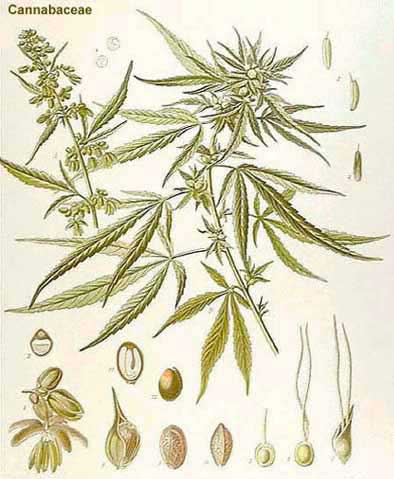
Cannabis sativa in Botanical
Medicine
Genesis 1:29 states that God has given
us every herb bearing seed to use for food and medicine. Cannabis
is one of the most important herbs for both food and medicine,
historically, today, and for a sustainable future. In fact,
with its unique immunity to ultraviolet radiation, it is one
of the few plants that will survive if mankind destroys the
ozone layer.
Cannabis sativa was historically, and
is still, a major herbal and homeopathic medicine. The world's
oldest pharmacology text, the Chinese Shen-Nung Pen-tshao, from
the reign of Emperor Shen Nung notes Cannabis' usefulness in
treatment of rheumatic pains, digestive problems, malaria, absentmindedness,
female disorders and as an analgesic for surgery. It is referred
to in Homer’s Odyssy (as it is a key component of the herbal
combination: nepenthe) and reports by Marco Polo. With such
therapeutic uses dating back 5000 years, it was eventually introduced
into most parts of the world. In Ayurvedic (Hindu) medicine
in India it was used to improve the mind, reduce fevers, improve
sleep, treat dysentery, stimulate appetite, improve digestion,
relieve headaches, and treat venereal disease. In Egypt, in
the 20th century B.C., cannabis was used to treat sore eyes.
Additional medical usage was not reported until much later.
In African medicine it became known for its effects on malaria,
fevers, snakebites, dysentery, restoration of appetite, tetanus,
hydrophobia, delirium tremens, infantile convulsions, neuralgia
and other nervous disorders, cholera, menorrhagia, rheumatism,
hay fever, asthma, skin diseases as an antiseptic, and for pain
relief with hemorrhoids and during childbirth. (O'Shaughnessy,
1842: 431). Cannabis was eventually introduced to modern European
medicine after the invasion of Egypt by Napoleon. In Europe
it was used initially for skin inflammation, coughs, venereal
disease, and incontinence. Queen Victoria's personal physician,
Sir John Russell Reynolds, prescribed it for appetite stimulation,
insomnia, and headaches. He wrote "When pure and administered
carefully, it is one of the most valuable medicines we possess."
In Greece, Cannabis was used for earache,
edema, and inflammation. Galen, one of the founding fathers
of medicine, wrote in the second century that it was customary
to promote hilarity and happiness at banquets by giving the
guests hemp. Cannabis has historically been a popular intoxicant
and spiritual herb in cultures such as the Mohammedan and in
the high Hindu castes, which forbade the use of alcohol. Known
in India as the “giver of life” this hardy plant,
which is easy and inexpensive to grow, is used around the world
as a substitute for alcohol and even as a treatment for alcoholism.
Its easy accessibility as a home-grown product makes it difficult
to profit from, unless it is controlled and made illegal.
Three strengths of Cannabis preparations
are used in India: bhang (an extract of leaves and stems of
uncultivated plants in a pleasant tasting liquid form); ganja
(which is more potent, derived from the flowering tops of cultivated
plants) and charas (the most potent, like hashish, obtained
by scraping the resin from the leaves of cultivated plants for
smoking).
Religious use of Cannabis, known as the
sacred grass during the Vedic period in India (Fort, 1969: 15)
may have led to later discovery of medical uses (Blum and Associates,
II, 1969: 73; Snyder, 1970: 125). Religious use of Cannabis
helps "the user to free his mind from worldly distractions
and to concentrate on the Supreme Being" (Barber, 1970:
80). Cannabis is used in Hindu and Sikh temples as well as Mohammedan
shrines to assist with meditation and fasting. In Nepal, Cannabis
is given out on specific feast days at Shiva temples (Blum &
Associates, 1969, 11: 63).
According to Hindu scriptures, the Cannabis
plant is holy. Bhang is “the joy giver, the sky flier,
the heavenly guide, the poor man's heaven, the soother of grief.…”
The students of the scriptures of Benares are given bhang before
they sit to study. At Benares, Ujjain and other holy places,
yogis take deep draughts of Mang that they may center their
thoughts on the Eternal.… By the help of Mang ascetics
pass days without food or drink. The supporting power of Mang
has brought many a Hindu family safely through the miseries
of famine (Snyder, 1970: 125).
[construction]-->
Cannabis is "still used extensively
in the Ayruvedic, Unani and Tibbi systems of medicine of the
Indian-Pakastani subcontinent" ("The Cannabis Problem,
1962: 27). In India "the medical systems . . . make much
use of cannabis as a sedative, hypnotic, analgesic, anti-spasmodic
and anti-hemorrhoidal" (Bulletin on Narcotics, 1962: 27).
Cannabis reduces the secondary symptoms and suffering caused
by the flu and the common cold.
Very little research attention has been given to the possibility
that marihuana might protect some people from psychosis. Among
users of the drug, the proportion of people with neuroses or
personality disorders is usually higher than in the general
population; one might therefore expect the incidence of psychoses
also to be higher in this group. The fact that it is not suggests
that for some mentally disturbed people, the escape provided
by the drug may serve to prevent a psychotic breakdown (Grinspoon
, 1969: 24).
Analgesic-hypnotic, appetite stimulant, antiepileptic, antispasmodic,
prophylactic and treatment of the neuralgias, including migraine
and tic douloureaux, antidepressant-tranquillizer, anti-asthmatic,
oxytocic, anti-tussive, topical anesthetic, withdrawal agent
for opiate and alcohol addiction, child birth analgesic, and
antibiotic (Mikuriya . “Marihuana in Medicine: Past, Present
and Future." 1968: 39).
19th Century
Documents of the 19th century report on the use of cannabis
to control diarrhea in cholera and to stimulate appetite. In
his reports of the late 1830's and early 1840's, O'Shaughnessy
(1842: 431) stated that tetanus could be arrested and cured
when treated with extra large doses of cannabis.
John Bell, M.D., Boston, reported enthusiastically in 1857,
about the effects of cannabis in the control of mental and emotional
disorders as opposed to the use of "moral discipline"
to restrain the mentally ill. Similarly, in 1858, Moureau. de
Tours reported several case histories of manic and depressive
disorders treated with hashish (Walton, 1938: 3).
The Ohio State Medical Society's Committee on Cannabis Indica,
convened in 1860, reported that their respondents claimed cannabis
successfully treated neuralgic pain, dysmenorhea, uterine hemorrhage,
hysteria, delirium tremens, mania, palsy, whooping cough, infantile
convulsions, asthma, gonorrhea, nervous rheumatism, chronic
bronchitis, muscular spasms, tetanus, epilepsy and appetite
stimulation (McMeens, 1860: 1).
The India Hemp Commission (1894: 174) likewise was informed
of similar medicinal uses for cannabis. Specific reports included
the use of cannabis as an analgesic, a restorer of energy, a
hemostat, an ecbolic, and an antidiaretic. Cannabis was also
mentioned as an aid in treating hay fever, cholera, dysentery,
gonorrhea, diabetes, impotence, urinary incontinence, swelling
of the testicles, granulation of open sores, and chronic ulcers.
Other beneficial effects attributed to cannabis were prevention
of insomnia, relief of anxiety, protection against cholera,
alleviation of hunger and as an aid to concentration of attention.
20th Century
Antibiotic activity is acknowledged in modern medicine. Cannabis
is “active against gram positive organisms at 1/100,000
dilution [equivalent to a 5X homeopathic potency], but to be
largely inactivated by plasma, so that prospects for its use
appear to be confined to E. N. T. (ear, nose and throat) and
skin infections."
Dr. J. Kabelikovi (1952: 500-503) and his coworkers carried
out tests on rats, which were similar to tests carried out with
penicillin in vitro. The alcohol extract of cannabis was bacterially
effective against many gram-positive and one gram-negative micro-organisms.
It was also found that a paste form of external application
was successful. According to Kabelikovi, "from a study
of 2,000 herbs by Czechoslovakian scientists it was found that
Cannabis indica (the Indian Hemp) was the most promising in
the realm of antibiotics."
In a 1959 publication of Pharmacie, Krejci stated: "From
the flowering tips and leaves of hemp, cannabis sativa var indica
bred in Middle Europe, were extracted a phenol and an acid fraction.
From the acid fraction, two acids were obtained, of which one
preserved its antibiotic properties" (p. 349). In another
Czechoslovakian publication, Krejci (1961: 1351-1353) referred
to two additional samples with antibiotic activity.
Both cannabidiolic acid and cannabidiol show antibiotic activity.
The antibacterial action of Cannabis sativa is not identical
to the effect found in tetrahydrocannabinol. Cannabis sativa
is effective as an antibiotic for local infections.
Kabelik, Krejci, and Santavy (1960: 13) include in "Cannabis
as a Medicant" the microorganisms against which cannabis
is effective: staphylococcus pyogenes aureus, steptococcus alpha
haemolyticus, streptococcus beta haemolyticus, enterococcus,
diplococcus pneumonia, B. anthracis, and corynebacterium diptheriae
i.e., all of them gram-positive microorganisms. Noteworthy is
the effect upon staphylococcus aureaus strains, which are resistant
to penicillin and to other antibiotics.
These authors also mentioned that E. coli (gram negative bacteria)
were tested and found to be resistant to the cannabis extract.
One of the conclusions was "the possibility of utilizing
the antibiotics locally without any danger of producing resistant
strains to other antibiotics administered at the same time throughout
treatment" (Kabelik, et al., 1960: 13).
Veliky and Genest in "Suspension Culture of Cannabis Sativa,"
(1970) reported that "the ethanol extract of cultured cells
exhibited antibiotic activity against Bacillus megatherium,
staphlococcus aureaus and escherichia coli" (p. 493).
Other reports said that "a pronounced antibiotic effect
has been observed in South America, where fresh leaves, after
being ground, are used as a poultice for furuncles, and in folk
medicine in Europe for treatment of erysipelas" (Kabelik,
et al., 1960: 8).
This section on the -antibiotic uses of cannabis concludes with
a summary of several reports from various countries. In Pharmacopee
Arabe: "The ground-up seeds are mixed with bread for people
with tuberculosis" (Andrews and Vinkenoog, 1967: 145).
In Czechoslovakia: "A preparation from seed pulp was .
. . introduced by Sirek to act as a roborant diet in treatment
of tuberculosis" (Kabelik, 1960: 8). "In Southern
Rhodesia the plant is used as an African remedy for malaria,
anthrax, sepsis, black water fever, dysentery, blood-poisoning,
tropical quinine-malarial haemoglobinuria, and a wart medicine"
(Watt, 1961: 13).
In Argentina: Cannabis is considered a real panacea for tetanus,
colic, gastralgia, swelling of the liver, gonorrhoea, sterility,
impotency, abortion, tuberculosis of the lungs and asthma ...
even the root-bark has been collected in spring, and employed
as a febrifuge, tonic, for treatment of dysentery and gastralgia,
either pulverized or in form of decoctions. The root when ground
and applied to burns is said to relieve pain. Oil from the seeds
has been frequently used even in treatment of cancer . . . (Kabelik,
1960: 8).
In 1949, Davis and Ramsey reported a study of the effect of
THC on epileptic children. "The demonstration of anticonvulsant
activity of the tetrahydrocannabinol (THC) congeners by laboratory
tests (Loewe and Goodman, Federation Proc., 6: 3521 1947) prompted
clinical trial in five institutionalized epileptic children"
(David and Ramsey, 1949: 284-285). Of these five children, all
had severe symptomatic grand mal epilepsy with mental retardation;
three also had cerebral palsy; and three had focal seizure activity.
The EEG tracings were reported to be grossly abnormal in all
five children. The results after treatment with homologues of
THC, were reported as follows:
Three children-responded at least as well as to previous therapy.
Fourth child-almost completely seizure free. Fifth child-entirely
seizure free.
As a result of their study, David and Ramsey (1949: 284-285)
felt that "the cannabinols herein reported deserve further
trial in non-institutionalized epileptics."
Dr. Vansim of Edgewood Arsenal has written in a recently published
book "Psychotomimetic Drugs," that the synthetic preparations
of cannabis are of interest. There are three areas where they
may be of definite use in medicine (Efron, 1969: 333-334). One
concerns the use of a cannabis analogue which Dr. Walter S.
Loewe reported very effective in preventing grand mal seizures
if given in small doses.
The second use refers to cannabis as an antidepressant. Straub
(Walton, 1938: 3), Adams (1942: 726-727), and Stockings (1947,
920-922) point to the possible use of cannabis and cannabis
analogues in relieving dysphoria in depressed patients. Other
authors (Parker and Wrigley, 1950: 278-279) had lesser success
but recommended further research in this field.
The third use is described by Douthwaite, who used hashish in
1947 "for reducing of anxiety and tension in patients with
duodenal ulcer" (Pond, 1948: 279).
A report in a 1965 issue of Medical News ("Cardiac Glycocides,"
p. 6) suggests cannabis as treatment for a specific form of
malignancy.
Cannabis is recognized as an appetite stimulant, which suggests
that the drug might be useful in the treatment of pathological
loss of appetite known as anorexia nervosa (Grinspoon, 1969:
21). Similar symptoms exist in terminal cancer patients who,
when treated with cannabis over a short period of time, demonstrated
stimulation of appetite, euphoria, increased sense of well-being,
mild analgesia and an indifference to pain which reduced the
need for opiates (DHEW, 1971: 11).
Cannabis has been recently proposed as an adjunct in the treatment
of alcoholics and drug addicts. Roger Adams (1942: 726-727)
and Todd Mikuriya (1970a: 187-191) noted that the substitution
of smoked cannabis for alcohol may have rehabilitative value
for certain alcoholics.
Regarding the use of cannabis analogue in the treatment of drug,
alcohol and depressive state withdrawal, Thompson and Proctor
(1953: 520523) report the following:
Depressive States:
20 cases of neurotic depression-4 improved (20%)
6 cases of psychotic depression-none improved (00%)
Post-Alcoholic Cases:
70 cases--59 reported clinical alleviation of symptoms (84%)
Drug Cases:
6 cases of barbiturate addiction-4 reported amelioration of
symptoms (66%)
4 cases of dilaudid addiction-3 reported alleviation (75%)
2 cases of pantopan and one paregoric addiction-all reported
smooth withdrawal (100%)
12 cases of Demerol addiction-10 withdrawals in one week (83%)
6 cases of morphine addiction-2 withdrawals without unpleasant
symptoms (33%)
The doctors concluded that "Pyrahexyl (a synthetic cannabis-like
drug) and related compounds are beneficial in the treatment
of withdrawal symptoms from the use of alcohol to a marked degree,
and in the treatment of withdrawal symptoms from the use of
opiates to a less marked, but still significant degree"
(Thompson & Proctor, 1953:520-523).
Drs. Allentuck and Bowman (1942) undertook a study of the use
of marihuana in the morphine abstinence syndrome. They stated:
A series of cases were selected from among drug addicts undergoing
treatment. . . . Comparative results were charted for the gradual
withdrawal, total withdrawal, and THC substitution, as methods
of treatment. . . . 49 subjects were studied. The results in
general, although still inconclusive, suggest that the marihuana
substitution method ameliorated or eliminated (the symptoms)
sooner, the patient was in a better frame of mind, his spirits
elevated, his physical condition was more rapidly rehabilitated,
and he expressed a wish to resume his occupation sooner (p.
250).
In his study of the medical application of cannabis for Mayor
LaGuardia's committee, Dr. Samuel Allentuck reported "favorable
results in treating withdrawal of opiate addicts with tetrahydrocannabinol
(THC), a powerful purified product of the hemp plants"
(Mikuriya, 1969: 38).
Roger Adams' detailed studies, as reported by Dr. C. K. Himmelsbach
in his 1944 article "Treatment of the Morphine Abstinence
Syndrome with a Synthetic Cannabis-Like Compound" (1944:26),
indicated that "withdrawal manifestations were considered
to be mild. The reported therapeutic value of marihuana was
attributed to improved appetite, greater sleep, euphoria, and
a reduction of the intensity or elimination of abstinence phenomena."
The New York City Mayor LaGuardia's Committee on Marihuana (1944:
147-148) reported two possible therapeutic applications of marihuana:
The first is the typical euphoria-producing action, which might
be applicable in the treatment of various types of mental depression;
the second is the rather unique property which results in the
stimulation of appetite. In the light of this evidence and in
view of the fact that there is a lack of any substantial Indication
of dependence on the drug, It was reasoned that marihuana might
be useful in alleviating the withdrawal symptoms in drug addicts.
However, the studies here described were not sufficiently complete
to establish the value of such treatment . . . .
A study was then undertaken at Riker's Island (N.Y.) Penitentiary
involving 56 morphine or heroin addicted inmates. Two groups
were equally matched according to age, physical condition, length
and intensity of habit, etc. One group received no treatment
or Magendie's solution, and the other received 15 mg. of THC
and/or placebo.
"The impression was gained that those who received tetrahydrocannabinol
had less severe withdrawal symptoms than those who received
no treatment or who were treated with Magendie's solution"
the report stated. However, the report further said that this
alleged therapeutic use of marihuana should be "investigated
under completely controlled conditions" before meaningful
conclusions can be developed (New York City Mayor, AU: 147-148).
Some reports indicate that cannabis helps relieve labor pains.
Such uses are reported among native tribes in South Africa and
Southern Rhodesia: "The Suto tribe fumigates the parturient
woman to relieve pain;"the Sotho women of Basutoland "are
reported as smoking cannabis to stupefy themselves during childbirth,"
and have also been known to "administer the ground-up achene
with bread or mealiepap to a child during weaning" (Watt,
1962:13).
The use of cannabis in the treatment of leprosy has been described
in a 1939 dictionary of Malayan medicine: "Seeds of Hydnocarpus
anthelmintim ... form the basis of the Tai Foon Chee treatment
of leprosy. After crushing and sieving, they are mixed with
cannabis indica in the proportion of two parts of the seeds
to one of Indian hemp" (Andrews and Vinkenoog, 1967: 146).
Likewise, Watt and Breyer-Brandwijk quote Pappe that "the
early colonist employed a decoction in the treatment of chronic
cutaneous eruptions, possibly in leprosy (Andrews and Vinkenoog,
1967: 146).
Kabelik, Krejci, and Santavy have reported favorable results
"in stornatitis aphtosa, gingivitis, and in paradentoses
with a mouthwash of the following composition: Tinct. Cannabis
20.0, Tinct. Chamomillae, Tinct. jernmarum populi (or another
tan for example, Tinct. Gallarum) aa 10.0 to be applied in the
form of sprays or linaments to the inside of the mouth"
(Kabelik et al., 1960: 13).
In reference to the use of cannabis, Chopra and Chopra (1957:
12-13) listed some preparations used in the practice of indigenous
medicine in India in 1957. They summarize their article "The
Use of the Cannabis Drugs in India" (1957: 12-13) by saying:
“. . . with regard to the use of cannabis in Indian indigenous
medicine at the present time, it may be said that It was and
still is fairly extensively used in both the Ayurvedic (Hindu)
and Tibbi (Mohammedan) systems of medicine as an anodyne, hypnotic,
analgesic and antispasmodic, and as a remedy for external application
to piles. It is also used in the treatment of dysmennorhoea,
rheumatism, chronic diarrhoea of the sprue type, gonorrhoea,
malaria and mental diseases on the advice of itinerant practitioners
of Indigenous medicine as well as quacks who roam about the
country. For medicinal purposes the drug is administered by
mouth and hardly ever by smoking.”
Dr. R. N. Chopra (1940: 361) reports the following medicinal
household uses of Indian Hemp: “The hemp drugs are popularly
used as household remedies in the amelioration of many minor
ailments. A mild beverage made from bhang leaves is believed
to sharpen appetite and to help digestion. Indian hemp Is commonly
used as a smoke and as a drink for its supposed prophylactic
value against marihuana in malarious tracts. Bhang beverages
form one of the popular household remedies for gonorrhoea and
dysuria. On account of their mild diuretic and sedative properties
these drinks probably give a certain amount of symptomatic relief.
Likewise, the use of bhang for dysmenorrhea, asthma, and other
spasmodic conditions is not uncommon. A poultice made from fresh
leaves is a common household remedy for painful affections of
the eyes, conjunctivitis, swollen joints, orchitis, and other
acute inflammatory conditions.
Tuberculosis, anthrax, tetanus, and menstrual cramps are among
the miscellaneous medical uses of cannabis reported. Reports
from Mexico indicate the use of marihuana smoking "to relax
and to endure heat and fatigue" (Mikuriya, 1969: 37).
Kabelik et al. (1960: 13) also discuss other varied uses of
cannabis. In human therapy the best results have been obtained
with the following medicaments combined with substances derived
from cannabis: dusting powder together with boric acid (otitis),
ointment (staphylococcus infected wounds, staphylodermia and
so on), ear drops (otitis chron.), alcohol solutions with glycerine
(treatment of rhagades on the nipples of nursing women-prevention
of staphylococcic mastitis,) aqueous emulsions (sinusitis),
dentin powder with the IRC (Isolated Resin from Cannabis) (caries).
The preparations mentioned above have been already tested clinically.
In veterinary medicine for preventive medicine for anthropozoonoses.
Murphy (1963: 20) refers to an article by Lang, "Treatment
of Acute Appendicitis with a Mixture of Ma Jen," which
says "the drug has apparently been used in China for the
treatment of appendicitis." The Xosa tribe in South Africa
"employs it for treatment of inflammation of the feet"
(Kabelik et al., 1960: 7), while the Mfengu and Hottentot use
the plant as a snake-bite remedy (Watt, 1962: 13).
Other therapeutic uses attributed to marihuana are for the treatment
of migraine headaches, as an analgesic, and as a hypnotic. Hollister
(1971: 28) stated that "other uses which have been proposed
for marihuana include the treatment of epilepsy, as prophylaxis
for attacks of migraine or facial neuralgia, or as a sexual
stimulant."
[end: construction-zone]-- (note: for
rest of paper: - or -- indicates beginning and -- or --- end
of a contruction-zone)
In American medicine between 1840 and
1890, more than 100 articles were published validating many
of the traditional uses of Cannabis with new research. The field
of psychotherapy became interested in the use of Cannabis for
opening the mind and assisting with the resolution of emotional
problems. By the 1890's, most large pharmaceutical companies,
including Eli Lilly and Parke-Davis, carried pharmaceutical
Cannabis.
King’s American Dispensatory lists
the effects of as “anodyne, hypnotic, antispasmodic and
phrenic, producing sleep even where morphine has failed, and
without impairing the appetite, repressing the secretions, or
causing constipation like opium and its preparations. It frequently
allays pain, and has been found of great benefit in hysteria,
chorea, and other nervous affections.” In moderate doses,
it “lessens pain, checks spasmodic action, improves the
appetite, causes sleep, [and] exhilaration of spirits.”
“Medicinally, in small doses, its effects are less intense
than those of opium, and the excretions are not so much suppressed
by it; it does not disturb digestion, rather increases the appetite,
seldom induces sickness of the stomach, never causes congestion,
and disturbs the expectoration far less than opium, also effects
[s.i.c.] the nervous system much less, and produces a more natural
sleep without interfering with the actions of the internal organs.
Cannabis is one of the most important of our remedies [emphasis
added], but like our best agents, it must not be used indiscriminately,
but its cases should be specifically selected. The great indication
for cannabis (the keynote) is marked nervous depression. With
this indication present it will fulfil a multitude of uses.
Specifically selected it has been efficient in delirium tremens,
wakefulness in fevers, neuralgia, gout, rheumatism, infantile
convulsions, low mental conditions, insanity, etc., and in inflammatory
conditions in cases where opium disagrees, and is often preferable
to opium. Acute mania and dementia, epilepsy, hysterical catalepsy,
cerebral softening (with potassium bromide), anemia of the cerebral
cortex, paralysis agitans and senile tremors, traumatic or idiopathic
tetanus, and irritable reflexes, are among the nervous disorders
in which it exerts a positively beneficial and soothing action,
when depression is the guide to its selection. In mental disturbances
the guides to its use are mental oppression, a dull, drowsy,
or stupid countenance (a dreamy condition), with dizziness and
violent throbbings in the head, and a morbid fear of becoming
insane. The patient sometimes has an “exaggerated idea
of time and space” (Webster). The drug is a useful hypnotic
for the insane. As a remedy for pain, it ranks among the first;
the more spasmodic the pain the better it acts. The neuralgic
pains of depression are those most quickly relieved. It should
be administered in painful states of the stomach, as gastric
neuralgia, nervous gastralgia, in gastric ulcers, where opium
is inadmissible, and in pain due to indigestion. The pains attending
lientery, after-pains, the passage of renal and hepatic calculi,
gout, neuralgia of the uterus, cancer, locomotor ataxia, are
all met by it, and, added to purgatives, it mitigates their
griping effects. It relieves the itching of cutaneous disorders,
particularly that of senile pruritis and eczematous affections.
Migraine, nervous headache, facial, and other neuralgias, whether
due to catamenial wrongs or attending the menopause, as well
as those depending upon fatigue, are relieved when nervous depression
is the most marked symptom. Head-pains, due to tumors, have
been asserted to yield to cannabis. The pains of chronic rheumatism,
sciatica, spinal meningitis, dysmenorrhea, endometritis, subinvolution,
and the vague pains of amenorrhea, with depression, call for
cannabis. Owing to a special action upon the reproductive apparatus,
it is accredited with averting threatened abortion. It is a
prominent remedy for certain spasmodic conditions and especially
in the choreic states of weak women and children. It mitigates
whooping-cough and other convulsive coughs; alleviates palpitation
of the heart, with stitching pain in the part; quiets hysterical
manifestations, and allays the distressing symptoms of spasmodic
asthma, and periodic hyperaesthetic rhinitis. It is a valuable
remedy in senile catarrh, with harrassing cough and profuse
mucous expectoration, and, both internally and by inhalation,
it has afforded relief in the painful cough of consumptives.”
“Cannabis is said in many cases to increase the strength
of the uterine contractions during parturition, in atonic conditions,
without the unpleasant consequences of ergot, and for which
purpose it should be used in the form of tincture (see below),
30 drops, or specific cannabis, 10 drops, in sweetened water
or mucilage, as often as required. In menorrhagia, the tincture
in doses of 5 or 10 drops, 3 or 4 times a day, has checked the
discharge in 24 to 48 hours.”
“The greatest reputation of cannabis has been acquired
from its prompt results in certain disorders of the genito-urinary
tract. In fact, its second great keynote or indication is irritation
of the genito-urinary tract, and the indication is even of more
value when associated with general nervous depression.”
“It is, therefore, useful in gonorrhea, chronic irritation
of the bladder, in chronic cystitis, with painful micturition,
and in painful urinary affections generally. It makes no difference
whether a urethritis be specific or not, or whether it is acute
or chronic, the irritation is a sufficient guide to the selection
of cannabis. Use it in gonorrhea to relieve the ardor urinae,
and to prevent urethral spasm and avert chordee, and in gleet,
to relieve the irritation and discharge; employ it also in spasm
of the vesical sphincter, in dysuria and in strangury, when
spasmodic. Burning and scalding in passing urine, with frequent
desire to micturate, are always relieved by cannabis. The following
is said to be a certain cure for gonorrhea: Take, while in blossom,
equal parts of the tops of the male and female hemp (Cannabis
sativa), bruise them in a mortar, and express the juice; to
this add an equal portion of alcohol. Dose, from 1 to 3 drops
every 2 to 3 hours. It should be remembered that the American
hemp has the same properties as the Indian hemp, but is a much
feebler product - the difference, therefore, not being, as some
have indicated, in action, but merely in degree. Cannabis has
been recommended in diabetes and hematuria, and in Bright’s
disease, with painful voiding of bloody urine, it is strongly
endorsed. By its control over the mental functions, it controls
lascivious thoughts, dreams and desires, and is, therefore,
of some value in nocturnal seminal emissions. Probably its control
over urethral irritation contributes to its value here. In this
manner impotence is said to have been cured by it. Cannabis
has some reputation as a remedy for chronic alcoholism, and
for the cure of the opium habit.”
“Externally, the resin may be applied endermically or in
embrocation with oils, ointments, chloroform, etc., in inflammatory
and neuralgic affections. It may also be used in injections.
The green plant collected in the spring, and 2 or 3 twigs placed
in or between beds, will, it is asserted, certainly and effectually
cause bedbugs to remove from the room in which they are used.
Hemp seed, in infusion, has been found very useful in after-pains,
and in the bearing-down sensation accompanying prolapsus uteri.
A combination of cannabis, collodion, and salicylic acid has
been used to destroy corns, the extract of the hemp acting as
an anodyne.”
“A tincture may be made by dissolving 24 grains of the
resinous extract in a fluid ounce of rectified spirit; for ordinary
purposes, its dose is from 10 to 30 drops. The extract varies
in strength, which will require a variation in the doses. When
well prepared, the dose is from 1/2 grain to 1 grain; but this
may vary from 1 grain to 20 grains, depending entirely on the
quality of the article. The English extract is a good preparation,
and of all extracts, the smaller dose is said to be an efficient
hypnotic, though many declare it inefficient for this purpose.
The best preparation is the specific cannabis, which may be
given in doses of a fraction of a drop to 10 drops. The ordinary
prescription for its specific effects is: Rx Specific cannabis,
gtt. v to xxx; aqua, fl oz iv. Mix. Dose, a teaspoonful every
1/2 to 2 or 3 hours.”
“Specific indications and Uses. - Great nervous depression;
irritation of the genito-urinary tract; painful micturition,
with tenesmus; ardor urinae, scalding, burning, frequent micturition;
low mental conditions; wakefulness; insomnia, with unpleasant
dreams during momentary sleep; spasmodic and painful conditions,
with nervous depression; mental illusions; menstrual headache;
palpitation of the heart, with sharp stitching pains in the
heart; hallucinations; cerebral anemia, from spasm of cerebral
vessels.”
When, without the knowledge of America’s physicians, medical
access to Cannabis was politically threatened, Dr. William C.
Woodward, Legislative Counsel to the AMA, the only physician
to be a witness at the Taxation of Marihuana hearings, despite
the fact that he opposed cannabis use, stated:
“There are exceptions in treatment in which cannabis cannot
apparently be successfully subsituted for. The work of Pascal
seems to show that Indian Hemp has remarkable properties in
revealing the subconscious; hence, it can be used for psychological,
psychoanalytic and psychotherapeutic research.” (Hearings,
House of Representatives, 1937: 91)
Cannabis sativa in Homeopathic
Medicine
According to Clarke,Cannabis sativa was
generally prescribed by homeopathic physicians as a tincture
of the male and female flowering tops for conditions including
ascites, asthma, cataract, cystitis, corneal opacity, contractions
in the fingers, gonorrhea, headache, hysteria, infantile leucorrhea,
nephritis, nose-bleed, palpitation, phimosis, pleurisy, pneumonia,
post-partum hemorrhage, priapism, stammering, tetanus, mucus
in the trachea and urethral caruncle.
Some of the general therapeutic effects of the tincture include
the relief of “acute drawing, and contractive, pressive
pains, with sensation of paralysis, or shocks and deep shootings
in different parts, or else a sensation as if pinched with the
fingers. - Rheumatic pulling during movement, apparently in
the periosteum. - General dejection, with tottering and soreness
of knees. - Great fatigue, from having spoken or written. -
Tetanus, chiefly in the upper limbs, and in the trunk...”
etcetera
In addition, Clarke lists many specific symptoms that this remedy
allieviates, affecting the mind, head, eyes, ears, nose, face,
mouth, stomach, abdomen, stool and anus, urinary organs, male
sexual organs, female sexual organs, respiratory organs, chest,
heart, neck and back, upper limbs, lower limbs, sleep and fever.
Cannabis sativa in Modern Medicine
Cannabis was only removed from the United
States pharmacopeia by the political interference of The Marijuana
Tax Act of 1937. Spokesmen of the American Medical Association
(AMA) testified against the bill, as it would compromise physicians’
and patients’ access to an important and well-established
medicine.
Specifically in my field of specialty, more recent research
has explored the possible use of the herb Cannabis sativa (hemp),
either topically on the eye or systemically, to reduce IOP (Intra
Ocular Pressure) in glaucoma. With the potential to decrease
eye pressure by 51%, it is the most effective agent known for
IOP reduction. Smoking this herb unfortunately can result in
numerous side effects including tachycardia (speeding heart
rate by 22 to 65%, the opposite of beta blockers), low blood
pressure, a false sense of euphoria, photophobia, blepharospasm,
dry eyes, and loss of short term memory.
Extracts of this herb were used widely in medicine until early
in this century, when the economics of the paper industry resulted
in political action against its abuse as a recreational drug.
Now, hemp oil and a variety of hemp seed products are becoming
more available, providing an excellent source of essential fatty
acids to nourish the nerves of the eye. Tinctures and homeopathics,
however, remain unavailable, even high potency homeopathics
that contain absolutely no tetrahydrocannabinol (THC). The herb
was banned even for medical purposes in 1992. More recently,
an increasing number of states are approving lawful medical
uses of the therapeutic herb for glaucoma and other medical
conditions.
Cannabis contains over 60 compounds referred to as cannabinoids.
The only other member of the Cannabaceae family is hops (Humulus
lupulus), which contains no cannabinoids, but is an important
ingredient in beer. Since cannabinoids are also foun naturally
in the human brain, it is likely that Cannabis sativa produces
them specifically for interaction with our human species, Homo
sapien. The cannabinoid D9-tetrahydrocannabinol (THC) is generally
considered to be the most active chemical of cannabis, but other
cannabinoids may also have therapeutic properties and/or affect
the activity of THC. THC, cannabidiol (CBD) and other cannabinoids
dissolve only in fats or fat-like materials. Cannabinoids are
weak acids in the fresh plant, but are converted to their neutral
form when they are aged, dried and heated. In their acid forms,
cannabinoids have minimal psychological and medical effects;
they become much more active after conversion to neutral forms.
Cannabinoids
Group Abbreviation # Variants
D9-Tetrahydrocannabinol D9-THC 9
D8-Tetrahydrocannabinol D8-THC 2
Cannabichromene CBC 5
Cannabicyclol CBL 3
Cannabidiol CBD 7
Cannabielsoin CBE 5
Cannabigerol CBG 6
Cannabinidiol CBND 2
Cannabinol CBN 7
Cannabinol CBT 9
Miscellaneous -- 11
The pharmacology of many cannabinoids is unknown, except the
one that is synthesized as a drug and sold for profit by the
world’s most lucrative industry today. THC communicates
with two receptors: CB1 and CB2. CB1 receptors in the brain
produce psychoactive effects. CB2 receptors are mainly located
in the immune system and are normally activated by the compound
anandamide produced in the body. Anandamide has a weaker effect
than THC.
Cannabidiol (CBD) does not have a direct psychoactive effect
on the brain but does affect brain synthesis of THC. CBD seems
to either reduce euphoria or delay and possibly prolong the
euphoria of THC.
Synthetic THC
Marinol is an expensive synthetic petrochemical
analog of one component of THC (plus 5% of an impurity: delta-8
THC), which is only one of over 400 compounds in Cannabis sativa,
which contains about 5% THC, the psychoactive drug in marijuana.
THC, or Delta-9-THC is actually a generic term for four separate
cannabinol compounds and two mixtures of such compounds, that
is, four stereochemical variants of the parent substance and
two racemates. One of these stereochemical variants, the (-)
delta-9-trans-THC isomer, is presently considered the principle
psychoactive ingredient of Cannabis sativa. This isomer is also
the active ingredient of a pharmaceutical product shown safe
and effective as an anti-emetic for patients on chemotherapy.
It’s chemical identification is (6aR-trans)-6a,7,8,10a-tetrahydro-6,6,9-trimethyl-3-pentyl-6H-dibenzo[b,d]-pyran-1-ol.
The International Nonproprietary Name (INN) and the U.S. Adopted
Name (USAN) for this isomer of delta-9-THC is dronabinol. It
is manufactured at Norac Industries in California by reacting
olivitol (made by Carl Nocka for Sandoz) and paramenthadianol
from Sandoz (a Swiss company) in New Jersey. For weight gain,
Unimed has been granted a monopoly on production as an orphan
drug. There has never been a death or an overdose of THC in
any form.
The bottom line is that 95% synthetic THC is a legally monopolized
Schedule 2 drug (since 1985), with profits going to foreign
drug pushers, while 5% THC which you can grow in America is
supposedly illegal as a Schedule 1 controlled substance, somehow
considered more dangerous than the more pure, less natural source.
This is the equivalent of saying that synthetic Vitamin C is
legal, but rose hips are one of the most dangerous substances.
Dangerous to whom? A precursor of a drug, such as Cannabis is
for natural THC, cannot be in a higher schedule than the drug
itself, so the only way this backwards situation can be maintained
is that the drug is synthesized from petrochemicals rather than
extracted from the plant itself.
Cannabis…a unique medicine
A 1996 poll conducted for the ACLU found
that 83% of American voters agreed with the statement: "People
who find that marijuana is effective for their medical needs
like treating glaucoma and relieving nausea from chemotherapy,
should be able to use it legally." Only 11% disagreed.
--
A large body of clinical research exists concerning the use
of cannabis and cannabinoids for chemotherapy- induced nausea
and vomiting. A review of the medical literature reveals at
least 31 human clinical trials examining the effects of cannabis
or synthetic cannabinoids on nausea, not including several U.S.
state trails that took place between 1978 and 1986. (1)In reviewing
this literature, Hall et al. concluded that "… THC
delta-9-tetrahydrocannabinol is superior to placebo, and equivalent
in effectiveness to other widely-used anti-emetic drugs, in
its capacity to reduce the nausea and vomiting caused by some
chemotharapy regimens in some cancer patients." (2)
In addition, inhaled cannabis was shown to be an effective anti-nausea
agent in a series of FDA-approved state board of health studies,
often outperforming oral THC. For example, the Tennessee Board
of Pharmacy found "an approximately 23 percent higher success
rate among those patients smoking than among those patients
administered THC capsules." (3)The New Mexico Health Department
noted similar results in their study (4): "Overall, with
both routes of administration combined, 74.83 percent of the
patients showed a positive response, which is significant statistically,"
they wrote. "When the routes of administration were analyzed
separately; it was found that inhalation was far superior to
ingestion: 90.39 percent of the patients in the group that inhaled
marijuana showed improvement while only 59.65 percent of the
patients in the group that orally ingested the delta-9-THC showed
improvement." (4) Results of Michigan's trial found that
patients responded better to inhaled cannabis than standard
anti-emetic drugs. (5) Cannabis was also found to be a safe
an effective anti-nauseant in studies performed in California,
Georgia, and New York. (6) A 1988 study conducted in New York
also found inhaled cannabis to be "moderately to very effective"
and preferable to oral THC. (7)
Authors of the 1999 Institute of Medicine (IOM) report, "Marijuana
and Medicine: Assessing the Science Base," said that some
patients already experiencing severe nausea or vomiting likely
prefer inhaling cannabis over pills because pills take effect
slowly and may be difficult to digest. "Thus an inhalation
… cannabinoid drug delivery system would be advantageous
for treating chemotherapy induced nausea," they determined.
(8)
Moreover, the IOM acknowledged that there are certain cancer
patients for whom cannabis should be a valid medical option.
They maintain: "Until the development of a rapid onset
anti-emetic delivery device, there will likely remain a subpopulation
of patients for whom standard anti-emetic therapy is ineffective
and who suffer from debilitating emesis. It is possible that
the harmful effects of smoking marijuana for a limited period
of time might be outweighed by the anti-emetic benefits of marijuana,
at least for patients for whom standard anti-emetic therapy
is ineffective and who suffer from debilitating emesis."
(9) Not surprisingly, many oncologists recommend cannabis to
their patients despite its prohibition. (10)
Additionally, the IOM noted that cannabinoids seem to stimulate
appetite in some cancer patients (11) and alleviate pain associated
with the disease. (12). A double-blind placebo-controlled study
by Drs. Noyes et al. found that THC produced significant analgesia,
enhanced appetite, and anti-emesis in patients with cancer pain.
(13) A follow up study also reported that THC ameliorated cancer
pain, and also improved mood and a sense of well being among
cancer patients. (14) Presently, oral synthetic THC, known as
Dronabinol (a.k.a. Marinol), is approved by the FDA for treatment
of nausea associated with cancer chemotherapy.
It appears evident that many patients suffering from the pain,
appetite loss, and emesis associated with cancer and chemotherapy
can find therapeutic benefits from cannabis-based medicines.
"Review of the Human Studies on the Medical Use of Marijuana,"
Dale Gieringer, Ph.D. (1996).
W. Hall, et al., The Health and Psychological Consequences of
Cannabis Use, Canberra, Australian Government Publishing Service
(1994): 189.
Annual Report: Evaluation of Marijuana and Tetrahydrocannabinol
in Treatment of Nausea and/or Vomiting Associated with Cancer
Chemotherapy Unresponsive to Conventional Anti-Emetic Therapy:
Efficacy and Toxicity, Board of Pharmacy, State of Tennessee
(1983) 5;
R. McNeill, The Lynn Pierson Therapeutic Research Program: A
Report on Progress to Date, Behavioral Health Services Division,
Health and Environment Department, State of New Mexico (1983),
4;
"Michigan Department of Public Health Marijuana Therapeutic
research Project, Trial A 1980-81," Department of Social
Oncology, Evaluation Unit, Michigan Cancer Foundation (1982).
K. Zeese, "Marijuana: Medical Effectiveness Is Proven By
Research," Falls Church, VA: Common Sense for Drug Policy
(1997).
V. Vinciguerra et al., "Inhalation marijuana as an anti-emetic
for cancer chemotherapy," New York Journal of Medicine
(1988): 525-527.
J. Joy et al., "Marijuana and Medicine: Assessing the Science
Base", Washington D.C.: National Academy Press (1999),
Chapter 4, Section 4.17 (uncorrected proofs copy).
Ibid.
R. Doblin et al., "Marijuana as an anti-emetic medicine:
a survey of oncologists' attitudes and experiences," Journal
of Clinical Oncology 9 (1991): 1275-1290.
J. Joy et al., "Marijuana and Medicine: Assessing the Science
Base", Chapter 4, Section 4.21 (uncorrected proofs copy).
Ibid., Section 4.6.
R. Noyes et al., "Analgesic effect of delta-9-tertahydrocannabinol,"
Journal of Clinical Pharmacology 15 (1975): 139-143.
R. Noyes et al., "The analgesic properties of delta-9-tetrahydrocannabinol
and codeine," Clinical Pharmacology and Therapeutics 18
(1975): 84-89.
---
A majority of voters favors making Cannabis sativa legally available
for medical use even in the absence of medical research. In
response to the statement: "Conclusive tests on the possible
medical uses of marijuana have not been completed. Would you
favor or oppose making marijuana legally available for medical
uses, even though testing has not be complete?," 55% were
in favor, while 42% were opposed. The survey was designed with
a margin of error of plus or minus 3.1%.
One of Marinol’s main uses is for cancer patients suffering
from current medical treatments: nausea caused by barbaric chemotherapy
and radiation. What do oncologists think about natural versus
synthetic source THC?
Researchers at Harvard's Kennedy School of Government conducted
a survey of 10% of America's oncologists. The results were published
in the July 1st issue of the Journal of Clinical Oncology, 44%
of them said they had already prescribed smoking natural-source
THC despite the possibility of prosecution. About two-thirds
agreed that marijuana was an effective anti-emetic, while 77%
of those who expressed a preference said that smoking marijuana
is more effective than oral (synthetic) THC. The only obvious
reason for keeping natural THC in Schedule 1, which means there
is no medical use, versus Schedule 2 (with some medical use,
but with potential for addiction), like cocaine and their source,
coca leaves, is money, not medicine.
Research shows several areas of promise for THC as a modern
drug. THC is a safe and effective anti-emetic (anti-nausea).
In one study, 78% of patients who failed to respond to standard
drugs became symptom-free. Smoking natural THC is more effective
than the oral synthetic pills. In studies where cancer patients
were given a choice between using inhaled marijuana and oral
THC, they chose Cannabis overwhelmingly.
For patients at risk for cancer, a possible side benefit of
Cannabinoids is reduction in the size of tumors by 25 to 82%
with a corresponding increase in survival time. A study by the
U.S. National Toxicology Program shows that mice and rats given
high doses of THC over long periods of time have a dose dependent
reduction in benign and malignant neoplasms relative to controls.
These and other animal studies show that THC and other cannabinoids
have anti-cancer effects.
Human studies are just beginning. The naturally occuring endocannabinoid
anandamide, of which Cannabis is the only natural source of
analog compounds, "potently and selectively inhibits the
proliferation of human breast cancer cells in vitro" through
interference with their production of DNA. Non-mammary tumors
were not affected by anandamide in this study. Much more research
is needed, but illegal, on the most potent cannabinoids: those
found in Cannabis sativa.
THC reduces intraocular pressure (IOP) in glaucoma. In a 94-day
study, no tolerance was developed to the IOP-lowering effect.
--
Glaucoma is a disorder that results from an imbalance of pressure
within the eye. The condition is characterized by an increase
in intraocular pressure (IOP) that progressively impairs vision
and may lead to permanent blindness. Glaucoma remains second
leading cause of blindness in the United States, afflicting
some one million Americans.
The aim of glaucoma treatment is to reduce interocular pressure.
Several human studies demonstrate that inhaled cannabis lowers
IOP in subjects with normal IOP and glaucoma. (1) Some animal
studies indicate that cannabis can also be effective when administered
topically (e.g. as an eye drop.) (2) Two of the eight legal
U.S. medical marijuana patients have used government cannabis
to effectively maintain their eyesight for more than a decade.
After reviewing the existing evidence, the Australian National
Task Force on Cannabis determined that cannabinoid therapy should
be a legal option for glaucoma patients. The Task Force concluded:
"There is reasonable evidence for the potential efficacy
of THC in the treatment of glaucoma, especially in cases which
have proven resistant to existing anti-glaucoma agents. Further
research is clearly required, but this should not prevent its
use under medical supervision." (8)
The 1999 [Institute of Medicine] report also acknowledged cannabis'
ability to temporarily lower IOP, but cautioned against long-term
marijuana use because of potential side effects inherent to
lifelong smoking. They determined: "High intraocular pressure
(IOP) is a known risk factor for glaucoma and can, indeed, be
reduced by cannabinoids and marijuana. However, the effect is
… short lived and … the potential harmful effects
of chronic marijuana smoking outweigh its modest benefits in
the treatment of glaucoma." (9)
An earlier National Institutes of Health (NIH) Workshop on the
Medical Utility of Marijuana noted similar concerns but added
that "further studies … to determine the efficacy
of delta-9-tetrahydrocannabinol and marijuana in the treatment
of glaucoma are justified." (10)
A potential concern for glaucoma patients considering cannabis
therapy aside from the risks associated with long-term smoking
(which may be ameliorated by ingesting cannabis, as some patients
report doing [11] is that scientists remain unaware how cannabinoids
reduce IOP. (12) Dr. Linda Growing et al., write in the journal
Drug and Alcohol Review that: "The potential for cannabis
[as a treatment for glaucoma] depends, in part, on whether it
acts via the same mechanism as current therapies or by a different
one. If the mechanism is unique, cannabis may be useful to provide
an additive effect where the response to standard therapies
is incomplete. If the mechanism is identical to existing therapies,
the benefit/risk ratio is probably unfavorable." (13)
National Institutes of Health, "Workshop on the Medical
Utility of Marijuana, Report to the Director," Washington,
D.C. (1997).
L. Grinspoon et al., "Marihuana: The Forbidden Medicine"
(second edition) New haven, CT: Yale University Press (1997),
47.
R. Hepler et al., "Marijuana smoking and intraocular pressure,"
Journal of the American Medical Association 217 (1971): 1392.
R. Hepler et al., "Ocular Effects of Marijuana Smoking,"
in The Pharmacology of Marijuana, ed. M. Braude et al., 2 vols.,
New York: Raven Press (1976), 2: 815-824 as cited by L. Grinspoon
et al., "Marihuana: The Forbidden Medicine" (second
edition), 47.
National Institutes of Health, "Workshop on the Medical
Utility of Marijuana, Report to the Director."
"Review Of Human Studies On Medical Use Of Marijuana,"
Dale Gieringer, Ph.D. (1996).
K. Zeese, "Marijuana: Medical Effectiveness Is Proven By
Research," Falls Church, VA: Common Sense for Drug Policy
(1997), 5-6.
W. Hall, et al., The Health and Psychological Consequences of
Cannabis Use, Canberra, Australian Government Publishing Service
(1994): 199.
Joy et al., "Marijuana and Medicine: Assessing the Science
Base", Washington D.C.: National Academy Press (1999),
177
National Institutes of Health, "Workshop on the Medical
Utility of Marijuana, Report to the Director."
B. Zimmerman et al., "Is Marijuana the Right Medicine for
You"? A Factual Guide to the Medical Uses of Marijuana,
New Canaan, CT: Keats Publishing (1998), 67.
L. Growing et al., "Therapeutic uses of cannabis: clarifying
the debate," Drug and Alcohol Review 17 (1998): 445-452
---
In addition, cannabinoids, especially THC and cannabidiol (CBD)
are neuroprotective, with research at the National Institutes
for Mental Health (NIMH) showing potent anti-oxidant effects.
Head injury, stroke and glaucoma are associated with excess
buildup of the excitatory neurotransmitter glutamate which irreversibly
damages neurons. CBD, only available from Cannabis, is non-psychoactive,
fast acting, and nontoxic. CBD protects rat neurons against
glutamate better than vitamin C or E.
Hypertension…
High blood pressure, or hypertension,
afflicts between 10 and 20 percent of adults in Western societies.
This condition puts a strain on the heart and blood vessels
and greatly increases the risk of stroke and heart disease.
Research is currently being conducted at the University of Nottingham
Medical School (U.K.) to better determine the effects of endocannabinoids,
cannabis-like chemicals produced naturally by the body, on circulation.
(1) Scientists recently discovered that the endocannabinoid
anandamide relaxes blood vessels, which can reduce blood pressure
by allowing blood to flow more freely, but do not yet comprehend
how they are produced or cause changes in the body. (2)
Lead researcher Dr. David Kendall of the Queen's Medical Centre
says: "This research should tell us a great deal more about
how these substances affect our circulation. This is a new and
exciting area of research which could ultimately lead to better
treatments for a range of cardiovascular diseases." (3)
In his book Marihuana the Forbidden Medicine, Dr. Lester Grinspoon
(with James Bakalar) recounts one patient's account of using
cannabis to successfully treat hypertension. "Cannabis
is … the first drug that has been effective in controlling
my high blood pressure," the patient writes. "I have
taken so many others that I can't remember their names, but
the result was always the same: they either didn't work or caused
such horrible side effects that I needed more drugs, which only
raised my blood pressure again. Since I began smoking cannabis,
my blood pressure has remained relatively constant at 130 over
80." (4)
Former California gubernatorial candidate Steve Kubby also gives
strong anecdotal evidence of cannabis' ability to control hypertension.
Kubby has used inhaled marijuana to control hypertension associated
with malignant pheochromocytoma, a usually fatal cancer he contracted
15 years ago. (5) Several of Kubby's phsysicians, including
Dr. Vincent DeQuattro of the hypertension diagnostic laboratory
at the University of Southern California Medical School, speculate
that his marijuana therapy may have extended his life. "In
some amazing fashion, this medication has not only controlled
the symptoms of the disease, but in my view, has arrested growth,"
DeQuattro says. He adds that he knows of no other patient who
has survived as long with the disease. (6)
The House of Lords Science and Technology Committee report on
medical cannabis acknowledged that smoking cannabis can lower
blood pressure, but warns that it may also increase heart rate
in some users (7). They concluded that the latter effect may
pose a health risk for patients with a history of angina or
other cardiovascular disease, and recommend that they be excluded
from any clinical trials of cannabis-based medicines. (8)
Similarly, a 1982 Institute of Medicine report, "Marijuana
and Health," also warned of cannabis' acute effects on
circulation. Researchers wrote "human blood pressure usually
increases moderately on acute administration of delta-9-THC,"
but noted that it typically slows heart rate in non-human mammals.
(9)
While cannabis may potentially be beneficial in reducing blood
pressure, specific studies have not been conducted to determine
how safely and effectively it controls this condition. Studies
on anandamide and hypertension should provide clues as to how
cannabis affects blood pressure; however these studies are still
in their initial stages. Therefore, patients suffering from
high blood pressure should approach the idea of medical cannabis
cautiously, and should likely consider alternative therapies
until further research is completed.
"Body's 'cannabis' could hold blood pressure key,"
BBC, December 29, 1998.
"Science: Research on the properties of endocannabinoids
to reduce blood pressure," ACM Bulletin, January 10, 1999.
Ibid.
L. Grinspoon et al., "Marihuana: The Forbidden Medicine"
(second edition), New Haven, CT: Yale University Press (1997),
171.
W. Wilson, "Medical Marijuana Advocate Hails Trial,"
Sacramento (CA) Bee, August 9, 1999.
"California Pot Law Author Charged Along With Spouse,"
Washington Times, February 21, 1999.
House of Lords Select Committee on Science and Technology, "Ninth
Report," London: United Kingdom (1998), Chapter 4: Section
4.4.
Ibid.
National Academy of Sciences, "Marijuana and Health",
Washington, D.C.: National Academy Press (1982), 66.
---
When taken following a stroke CBD from Cannabis could reduce
the resulting brain damage. According to lead researcher Dr.
Aiden Hampson, “We have something that passes the brain
barrier easily, has low toxicity, and appears to be working
in animal trials; so I think we have a good chance to also help
human patients.”
A synthetic drug similar to CBD (Dexanabinol) reduces mortality
and decreases intracranial pressure in severe head injury. A
U.S. Army nerve gas study on rats shows this drug reduces brain
damage significantly when given within five minutes of the first
seizure. This drug modeled after CBD also protects against brain
damage from some types of seizures. The United States Institute
of Medicine (IOM) hails cannabinoids’ medicinal effects
as anti-oxidants in “Marijuana and Medicine: Assessing
the Science Base.” Researchers claim “THC and CBD
can be neuroprotective through their antioxidative activity;
that is, they can reduce toxic forms of oxygen that are released
when cells are under stress.”
Multiple sclerosis has shown benefits from THC in a number of
case studies, including the treatment of resistant, disabling
tremor, as well as motor and sexual handicaps. THC increased
survival in a placebo-controlled experimental model of MS from
2% to 95% leading to hope that it may be able to prevent progression
of MS. In another study, with MS patients suffering from spacticity
(common also in stroke, cerebral palsy and spinal cord injuries),
10 mg THC significantly reduced spasticity by clinical measurement
(P less than 0.01). Three out of three on-MS patients in this
same study who had tonic spasms also improved. In an MS population
that failed to respond to medical treatment, spasticity decreased
significantly at doses above 7.5 mg of THC. THC can also improve
motor coordination in about 25% of MS patients seriously disabled
by tremor and ataxia.
Ischemia: Stroke
& T.B.I.
Cannabidiol, a non-psychoactive compound
in Cannabis, is protective against brain injury in
animals, according to a study published in Neuroscience Letters.
Researchers in Italy reported that administration of CBD in
gerbils prevented brain damage caused by ischemia, a reduction
of blood flow to the brain that can cause cell death. "These
findings suggest a potential therapeutic role of cannabidiol
in cerebral ischemia, though the clear mechanism of action remains
to be elucidated," authors concluded.
Federal law prohibits the medical use
of any cannabinoid other than synthetic THC even though they
are made by God and no science exists to show potential harm
except perhaps lost opportunity to drug manufacturers.
A 1998 study published in the Proceedings
of the National Academy of Sciences (P.N.A.S.) found that CBD
protects rat brain cells from injury
better than other anti-oxidants. A 1999 report by the National
Academy
of Sciences' Institute of Medicine (I.O.M.) concludes that the
neuroprotective qualities of Cannabis are the "most
prominent" of its potential therapeutic applications.
The Israeli pharmaceutical company Pharmos
announces the
commencement of the first ever Phase III U.S. study on the effectiveness
of the synthetic marijuana derivative Dexanabinol to treat brain
damage
resulting from Traumatic Brain Injury (T.B.I.) and/or stroke.
--
Multiple sclerosis MS is a disease affecting the central nervous
system. MS exacerbations appear to be caused by abnormal immune
activity that causes inflammation and the destruction of myelin
(the protective covering of nerve fibers) in the brain, brain
stem or spinal cord. Common symptoms of MS include muscle spasms,
depression, and incontinence (involuntary loss of urine) or
urinary retention.
In a 1998 review article published in the journal Drug and Alcohol
Review, Drs. Linda Growing et al. observed that the distribution
of cannabinoid receptors in the brain suggests that they may
play a role in movement control.(1) The authors hypothesized
that cannabinoids might modify the autoimmune cause of the disease.(1)
If so, it is possible that cannabis may both relieve symptoms
of MS and retard its progression.
Abundant references in the medical literature indicate that
cannabis and cannabinoids may relieve symptoms of MS. Accordingly,
the 1998 House of Lords Science and Technology Committee endorsed
cannabis' ability to mitigate symptoms of MS. After reviewing
the available data, committee chairman Lord Perry of Walton
stated, "We have seen enough evidence to convince us that
a doctor might legitimately want to prescribe cannabis to relieve
… the symptoms of multiple sclerosis, and that the criminal
law ought not to stand in the way." (2)
Researchers from the Institutes of Medicine (IOM) and the 1997
National Institutes of Health (NIH) Workshop on the Medical
Utility of Marijuana also endorsed the potential usefulness
of cannabinoids in MS, concluding that "survey results
suggest that it would be useful to investigate the therapeutic
value of cannabinoids in relieving symptoms associated with
MS" using objective measures of spasticity. (3) NIH researchers
added that cannabis' potential to treat spasticity and neuropathic
pain (pain resulting from nerve damage) (4) could play an adjunctive
role in future treatments for the disease. (5)
Several clinical trials on cannabis and cannabinoids indicate
that they help mitigate MS symptoms. A study conducted in 1981
by Dr. Dennis Petro demonstrated beneficial effects of cannabinoids
on symptoms of MS. (6)Dr. Petro subsequently described two patients
suffering from MS-related muscle spasms who experienced symptomatic
relief after smoking cannabis. (7)
A controlled study conducted in 1983 on the effects of THC on
eight MS patients observed subjective benefits in five patients
and objective evidence of improved motor coordination in two
participants. (8)
A 1988 double-blind placebo-controlled crossover clinical trial
by Drs. J. Ungerlieder et al. of delta-9-tetrahydrocannabinol
(THC) in 13 subjects with clinical MS and spasticity also yielded
favorable results. "At doses greater than 7.5 mg there
was significant improvement in patient ratings of spasticity
compared to placebo," researchers reported. "These
positive findings in a treatment failure population suggest
a role for THC in the treatment of spasticity in multiple sclerosis."
(9)
A 1989 study on a 30-year old MS patients found that his condition
"acutely improved" after smoking a cannabis cigarette.
These investigators concluded that "cannabinoids may have
powerful beneficial effects on both spasticity and ataxia [loss
of coordination and balance] that warrant further investigation."
(10) A 1995 single case study also reported that administration
of the synthetic THC drug Naboline alleviated spasticity. (11)
More recently, a 1997 survey of U.K. and U.S. MS patients found
that between 30 and 97 percent experienced relief in symptoms
with cannabis, depending on the specific symptoms. (12) In descending
order of improvement, these symptoms were: spascticity, chronic
pain of extremities, acute paroxysmal phenomenon, tremor, emotional
dysfunction, anorexia/weight loss, fatigue states, double vision,
sexual dysfunction, bowel and bladder dysfunctions, vision dimness,
dysfunctions of walking and balance, and memory loss."
(12)
A March 2000 study by Layward at al. found that cannabinoids
quantitatively ameliorated both tremor and spasticity in mice
suffering from experimental allergic encephalomyelitits (CRAEA),
an animal model for MS. (13) Authors announced that their study
for the first time scientifically demonstrated the link between
cannabis and the suppression of MS symptoms. (14) Earlier this
year, the Journal of Neuroimmunology published results of a
pre-clinical study demonstrating that synthetic cannabinoid
derivatives suppressed MS symptoms in an animal model. (15)
[In addition, a case study published in the June 2000 issue
of Neurology reported positive effects of inhaled cannabis on
a patient suffering from MS. (16).
Anecdotal evidence implies that cannabis may also help MS patients
who experience bladder dysfunction, a condition that can affect
up to 90 percent of those afflicted with the disease. (17) Historical
references indicate the use of cannabis to treat urinary incontinence,
as do several modern case histories reported by Dr. Lester Grinspoon
in the book “Marihuana The Forbidden Medicine” (with
James Bakalar). (18) The 1997 survey by Drs. P. Consroe et al.
also finds some MS patients reporting that cannabis mitigates
bladder dysfunctions.
Collectively, these studies indicates that cannabis may substantially
control the symptoms of MS, including muscle spasms, ataxia,
and bladder dysfunction, and may also play a role in halting
the progression of the disease.
L. Growing et al., "Therapeutic use of cannabis: clarifying
the debate," Drug and Alcohol Review 17 (1998): 445-452.
House of Lords Select Committee on Science and Technology, Press
Release, November 11, 1998.
J. Joy et al., "Marijuana and Medicine: Assessing the Science
Base" Washington D.C.: National Academy Press (1999), Chapter
4, Section 4.26 (uncorrected proofs copy).
See "pain," citations 15-18.
National Institutes of Health, "Workshop on the Medical
Utility of Marijuana: Report to the Director," Washington,
D.C. (1997).
D. Petro et al., "Treatment of Human Spasticity with Delta-9-Tetrahydrocannabinol,"
Journal of Clinical Pharmacology 21 (1981): 413-416.
D. Petro, "Marihuana as a therapeutic agent for muscle
spasm and spasticity," Psychosomatics 21 (1980): 81-85.
D. Clifford, "Tetrahydrocannabinol for Tremors in Multiple
Sclerosis," Annals of Neurology 13 (1983): 669-671.
J. Ungerleider et al., "Delat-9-THC in the treatment of
Spasticity Associated with Multiple Sclerosis," Advances
in Alcohol and Substnace Abuse 7 (1988): 39-50.
H. Meinck et al., "Effects of cannabinoids on spasticity
and ataxia in multiple sclerosis," Journal of Neurology
226 (1989): 120-122.
C. Martyn et al., "Naboline in the treatment of multiple
sclerosis," The Lancet 345 (1995): 579 as cited by J. Joy
et al., Marijuana and Medicine: Assessing the Science Base,
Chapter 4, Section 4.23 (uncorrected proofs copy).
P. Consroe et al., "The Perceived Effects of Smoked Cannabis
on Patients with Multiple Sclerosis," European Neurology
38 (1997): 44-48.
D. Baker et al. “Cannabinoids control spasticity and tremor
in a multiple sclerosis model,” Nature 404 (2000): 84-87.
Reuters News Service. “UK Scientists back medicinal benefits
of cannabis,” March 1, 2000.
A. Achiron et al. “Dexanabinol (HU-211) effect on experimental
autoimmune encephalomyelitis: implications for the treatment
of acute relapses of multiple sclerosis.” Journal of Neuroimmunology
102 (2000): 26-31.
L. Dell’Osso et al. “Suppression of pendular nystagmus
by smoking cannabis in a patient with multiple sclerosis.”
Neurology 54 (2000): 2190-2193.
L. Grinspoon et al, "Marihuana the Forbidden medicine"
(second edition), New Haven, CT: Yale University Press (1997),
91.
Ibid., 80-94.
---
NPS…
Nail Patella Syndrome (NPS) is a rare,
neurological disease that affects the joints, limits mobility,
and causes brittle bones. Victims suffering from NPS also endure
muscle cramps, spasms and chronic pain. This genetic disorder
is estimated to affect several hundred people in the United
States.
Iowa patient George McMahon uses federally approved medical
cannabis to treat symptoms of NPS. He is one of only eight U.S.
patients certified by the government to smoke marijuana medicinally.
(1) McMahon has been legally smoking an ounce of cannabis daily
since March 1990 to help alleviate the constant pain associated
with his disease. (2) He maintains that inhaling cannabis abates
his pain and discomfort more effectively than any prescription
drug or combination of drugs.
"Unlike other individuals who get giggly and high after
smoking marijuana, I just feel better," McMahon testifies.
"My muscles stop going into spasms, the unbearable pain
leaves, and my body relax[es.]" (3)
Although other members of McMahon's family also suffer from
NPS, they may not use cannabis legally because the federal program
that provides it to McMahon is no longer open to new applicants.
L. Grinspoon et al., "Marihuana as Medicine: A Plea for
Reconsideration," Journal of the American Medical Association
273 (1995): 1875-1876.
Homepage of "George McMahon: 5th Legal Medical Marijuana
Patient."
Homepage of "George McMahon's Medical History."
--
AIDS patients and others with wasting diseases benefit from
THC’s well-known ability to promote appetite and weight
gain, although the weight gained is primarily water and fat.
Predigested protein supplements such as SeaCure, Cardiovascular
Protein, One Step, UltraBalance and Medipro may be useful adjuncts
to support protein metabolism. 25% of HIV positive patients
in Australia use Cannabis therapeutically. 88% of Australian
AIDS specialists know of patients who used Cannabis to alleviate
symptoms associated with AIDS, and a majority would feel comfortable
recommending the use of cannabis to all patients willing to
try it.
Migraines may respond to THC based on anecdotal reports.
-
Migraine is a type of episodic, recurrent, severe headache lasting
hours to days. Migraine is typically accompanied sensitivity
to light, intolerance to loud noises, and nausea or vomiting.
Surveys indicate that 15 to 25 percent of women and five to
10 percent of men suffer from migraine. (1)
A century ago, physicians commonly prescribed cannabis for migraine.
(2) Famed physician William Osler wrote that it was "probably
the most satisfactory remedy" for migraine in his textbook,
The Principles and Practice of Medicine. (3)
Some patients and physicians are once again showing interest
in examining cannabis' potential to treat symptoms of migraine.
A recent article in the medical journal Pain (Journal of the
Association for the Study of Pain) concluded that "cannabis
delivered … in the form of a marijuana cigarette, or 'joint,'
presents the hypothetical potential for quick, effective, parenteral
[non-orally administered] treatment of acute migraine."
The author called cannabis a "far safer alternative"
than many prescription anti-migraine drugs, and reported that
a large percentage of migraine sufferers fail to respond or
can not tolerate standard therapies. (4)
Cannabis' analgesic and anti-emetic effects are well documented
and likely provide some relief to migraine sufferers. One study
indicates that delta-9-tetrahydrocannabinol (THC), but not cannabidiol
(CBD), may inhibit the release of serotonin from normal platelets
when incubated with plasma from migraine patients. (5) Several
new drugs prescribed to treat migraines work by influencing
serotonin. (6)
Most recently, the Institutes of Medicine (IOM) wrote "there
is clearly a need for improved migraine medications," and
acknowledged that "marijuana has been proposed numerous
times as a treatment." Researchers added that "recent
results indicating that both cannabinoid receptor subtypes are
involved in controlling peripheral pain suggest that" cannabinoids
may work toward alleviating migraine. (7)
Because of cannabis' known analgesic effects and rapid action,
marijuana inhalation may be a reasonable alternative for migraine
sufferers unresponsive to traditional therapies.
http://www.drkoop.com/conditions/migraine/page_52_254.asp
B. Zimmerman et al., "Is Marijuana the Right Medicine for
You"? A Factual Guide to Medical Uses of Marijuana, New
Canaan, CT: Keats Publishing (1998), 110.
W. Osler, "The Principles and Practice of Medicine",
8th Edition. New York: Appelton (1913): 1089 as cited by B.
Zimmerman et al., Is Marijuana the Right Medicine for You? A
Factual Guide to Medical Uses of Marijuana, 110.
E. Russo, "Cannabis for migraine: the once and future prescription?
An historical and scientific review," Pain 76 (1998): 3-8.
Z. Volfe et al., "Cannabinoids Block Release of Serotonin
From Platelets Induced By Plasma From Migraine Patients,"
International Journal of Clinical and Pharmacological Research
5 (1985): 243-246.
B. Zimmerman et al., "Is Marijuana the Right Medicine for
You"? A Factual Guide to Medical Uses of Marijuana, 111.
J. Joy et al., "Marijuana and Medicine: Assessing the Science
Base", Washington D.C.: National Academy Press (1999),
Section 4.7 (uncorrected proofs copy).
--
Muscle spasms may respond to THC as half of patients surveyed
report this effect. Antispastic and analgesic effects have been
confirmed in double-blind research, with efficacy comparable
to that of codeine, only with greater reduction of muscle spasms.
Labor pains are another traditional and potential modern use.
Muscle spasms of tetanus and rabies were shown to respond to
Cannabis by the surgeon William B. O'Shaughnessy who brought
the telegraph to India for the British East India Company.
THC can produce analgesia for the relief of pain, such as that
in advanced cancer, with just 20 mg of THC about as effective
as 120 mg of codeine. One of the advantages of THC in pain relief
over many other drugs is that not only doesn’t tolerance
develop, but the analgesic effect is actually greater with continued
use.
-
Pain is a sensation of physical discomfort, mental anguish,
or suffering caused by aggravation of the sensory nerves. It
remains the most common symptom for which patients seek therapeutic
relief. (1) Cannabis has historically been used as an analgesic,
and was commonly prescribed by physicians in England and America
in the 19th and 20th centuries. (2) Many researchers now believe
that cannabinoids hold promise as safe and effective pain reducers
with no physical-dependence-inducing properties.
Authors of the 1999 Institute of Medicine (IOM) report, “Marijuana
as Medicine: Assessing the Science Base,” describe three
types of pain that may be ameliorated by cannabinoids: somatic
pain, visceral pain, and neuropathic pain. Researchers appear
most interested in examining cannabis’ ability to relieve
neuropathic pain, which results from injury to nerves, peripheral
receptors, or the central nervous system, because it is often
resistant to standard opioids. (3)
Medical literature cites evidence of cannabinoids’ ability
to reduce traditional pain, but few human studies have been
performed to date. Some of the most encouraging clinical data
on effects of cannabinoids on chronic pain are from studies
of cancer pain, which is often resistant to standard treatment.
(4) One double-blind controlled cross over study by Noyes and
colleagues found that delta-9-tetrahydrocannabinol had analgesic
effects equivalent to codeine. (5) A second study by Noyes determined
that THC produced significant analgesia, anti-emesis, and enhanced
appetite in patients with cancer pain. (6)
After reviewing this and other clinical data, IOM researchers
concluded that cannabinoids reduce painful stimuli to an extent
comparable to opiates in potency and efficacy. “In conclusion,
the available evidence from animal and human studies indicate
that cannabinoids can have a substantial analgesic effect,”
they affirmed.
A study by Staquet and colleagues on the effects of a THC nitrogen
analogue on cancer pain yielded similar results. Authors found
the THC analogue equivalent to 50 mg of codeine and superior
to both placebo and 50 mg of secobarbital in subjects with mild,
moderate and severe pain. (7)
Many case reports document the analgesic effects of cannabinoids.
A 1974 article, Noyes and Baram reported that cannabis induced
headache relief in three patients comparable or superior to
ergotamine tartrate and aspirin. (8) Petro subsequently reported
that cannabis inhalation alleviated perceived pain in two patients
suffering from muscle spasticity disorders. (9) Three case studies
reported by El-Mallakh in 1987 found that abrupt cessation of
daily cannabis inhalation was followed by migraine attacks.
(10) A 1990 double-blind study by Maurer et al. reported that
single doses of THC produced analgesia in one paraplegic patient
suffering from painful spasms in his leg. (11) A 1997 placebo-controlled
study by Holdcroft et al. measured pain relief of gastrointestinal
origin by cannabis oil capsules in one patient. (12) Authors
reported that the subject’s demand for morphine was substantially
lower during cannabis treatment than when administered placebo.
Researchers are just beginning to understand how cannabis and
cannabinoids function as analgesics. (13) A 1998 University
of California at San Francisco rat study explained that THC
taps circuitry at the base of the brain, modulating pain signals
in a fashion similar to morphine and other opiates. (14) “These
results show that analgesia produced by cannabinoids and opioids
involves similar brain stem circuitry and that cannabinoids
are indeed centrally acting analgesics with a new mechanism
of action,” lead researcher Dr. Ian Meng determined. (14)
Earlier animal studies examining the effects of cannabinoids
and endocannabinoids (naturally occurring compounds that bind
to the same receptors as cannabis) on pain also documented a
definite analgesic effect. After reviewing a series of trials
in 1997, the U.S. Society for Neuroscience concluded that “substances
similar to or derived from marijuana … could benefit the
more than 97 million Americans who experience some form of pain
each year.” (15)
New research also demonstrates that the endocannabinoid anandamide
helps control pain. Scientists at the University of Naples in
Italy demonstrated in 1998 that rats release anandamide when
cells are damaged. The chemical produces effects in the pain-processing
areas of the brain and spinal cord that appear to ease the sensation
of pain. Rats in the study treated with a synthetic agent that
blocked the action of anandamide demonstrated a longer and greater
reaction to pain. (16) Moreover, anandamide in conjunction with
the endogenous compound PEA (Palmitylethanolamide) has been
observed to reduced pain 100-fold. (17)
Next: Cannabis-medicine
|
