|
|
: Cannabis:
Emerging evidence implies that cannabis
may potentially relieve neuropathic pain. The 1997 National
Institutes of Health (NIH) Workshop on medical cannabis concluded:
“Neuropathic pain represents a treatment problem for which
currently available analgesics are, at best, marginally effective.
Since delta-9-THC is not acting by the same mechanism as either
opioids or NSAIDs [nonsteroidal anti-inflammatory drugs], it
may be useful in this inadequately treated type of pain.”
(18)
Writing in Drug and Alcohol Review, Drs. Linda Growing et al.
concluded that cannabis could hold potential as a treatment
for neuropathic pain. They noted: “A few animal studies
support the idea that cannabinoids may have analgesic action
in neuropathic pain. Given that this is the type of pain for
which current treatments are least satisfactory, this would
appear to be an area of greatest potential for cannabis, perhaps
as an adjuvant to a regime of standard analgesics.” (19)
Growing and colleagues also found that cannabis has psychoactive,
anti-convulsant, and cardiovascular effects similar to those
drugs currently recommended for neuropathic pain. They speculated
that “cannabis might act in similar ways to these drugs
in producing analgesia for neuropathic pain.” (20)
The House of Lords Science and Technology Committee described
cannabis’ ability to treat both traditional and neuropathic
pain, (21) noting that it’s analgesic effects justified
rescheduling the drug so physicians could legally prescribe
it. (22) They concluded that “there is scientific evidence
that cannabinoids possess pain-relieving properties, and some
clinical evidence to support their medical use in this indication.”
(23) Similarly, the British Medical Association (BMA) concluded
that “the prescription of … THC and other cannabinoids
… should be permitted for patients with intractable pain.”
(24)
Evidence indicates that inhaled cannabis and cannabinoids appears
to be suitable alternatives for patients suffering from various
types of chronic pain, especially those suffering from neuropathic
pain that is unresponsive to traditional analgesics like opioids
and NSAIDS (non-steroidal anti-inflammatory drugs). In addition,
cannabis may offer fewer negative side effects than opioids,
which can be addictive, and NSAIDS, which can induce stomach
ulcers, bleeding, and kidney failure. Another potential benefit
of cannabis as a pain reliever is that patients can precisely
control the dose they take into their bodies by titration, and
experience more rapid relief than they can with oral medications.
J. Joy et al., "Marijuana and Medicine: Assessing the Science
Base", Washington D.C.: National Academy Press (1999),
Chapter 4, Section 4.4 (uncorrected proofs copy). http://bob.nap.edu/books/0309071550/html/
B. Zimmerman et al., Is Marijuana the Right Medicine for You:
A Factual Guide to Medical Uses of Marijuana, New Canaan, CT:
Keats Publishing (1998), 102.
National Institutes of Health, “Workshop on the Medical
Utility of Marijuana: Report to the Director,” Washington,
D.C. (1997). http://www.medmjscience.org/Pages/reports/nihpt3.html
W. Hall, et al., The Health and Psychological Consequences of
Cannabis Use, Canberra, Australian Government Publishing Service
(1994): 194. http://www.druglibrary.org/schaffer/hemp/medical/home.htm
R. Noyes et al., “The analgesic properties of delta-9-tetrahydrocannabinol
and codeine,” Clinical Pharmacology and Therapeutics 18
(1975): 84-89.
R. Noyes et al., “Analgesic effect of delta-9-tertahydrocannabinol,”
Journal of Clinical Pharmacology 15 (1975): 139-143.
M. Staquet et al., “Effect of a nitrogen analog of tetrahydrocannabinol
on cancer pain.” Clinical Pharmacology and Therapeutics
23 (1978): 397-401.
R. Noyes, D. Baram. “Cannabis analgesia” Compr. Psychiatry
15 (1974): 531.
D. Petro. “Marihuana as a therapeutic agent for muscle
spasm and spasticity.” Psychosomatics 21 (1980): 81-85.
R. El-Mallakh. “Marijuana and migraine.” Headache
27 (1987): 442-443.
M. Maurer et al. “Delta-9-tetrahydrocannabinol shows antispastic
and analgesic effects in a single case double-blind trial.”
European Archives of Psychiatry and Clinical Neuroscience 240
(1990): 1-4.
A. Holdcroft et al. “Pain relief with oral cannabinoids
in familial Mediterranean fever.” Anasthesia 5 (1997):
483-486.
R. Callahan, “How Does Marijuana Kill Pain?” Associated
Press, October 4, 1998. http://www.mapinc.org/drugnews/v98/n868/a07.html
I. Meng et al. “An analgesic circuit activated by cannabinoids.”
Nature 395 (1998): 381-383. Http://www.nature.com/cgi-taf/DynaPage.taf?file=/nature/journal/v395/n670.../395381a0_r.htm
Society for Neuroscience Press Conference, October 26, 1997.
http://www.calyx.com/%7Eolsen/MEDICAL/POT/analgesia.html
A. Calignano et al., “Control of pain by endogenous cannabinoids,”
Nature 394 (1998): 277-281.
“Science: Cannabinoid/anandamide-receptor systems involved
in peripheral control of pain,” ACM Bulletin, July 26,
1998. http://www.acmed.org/english/bulletin260798.html
National Institutes of Health, “Workshop on the Medical
Utility of Marijuana: Report to the Director. http://www.medmjscience.org/Pages/reports/nihpt3.html
L. Growing et al., “Therapeutic use of cannabis: clarifying
the debate,” Drug and Alcohol Review 17 (1998): 445-452.
Ibid.
House of Lords Select Committee on Science and Technology, “Ninth
Report,” London: United Kingdom (1998): Chapter 5, Section
5.26-5.30. http://www.parliament.thestationeryoffice.co.uk/pa/ld199798/ldselect/ldsctech/151/15101.htm
House of Lords Select Committee on Science and Technology, Press
Release, November 11, 1998. http://www.parliament.thestationeryoffice.co.uk/pa/ld199798/ldselect/ldsctech/151/151p01.htm
House of Lords Select Committee on Science and Technology, “Ninth
Report,” Chapter 5, Section 5.30.
Ibid., Section 5.26.
--
Neuropathy pain…
-
Neuropathic pain (pain from nerve damage) and severe, uncontrollable
muscle spasms are typical results of spinal cord illness or
injury. Growing evidence indicates that cannabis may ameliorate
both of these symptoms in patients suffering from spinal cord
injuries.
A review of the medical literature finds at least four references
to the use of cannabis and cannabinoids for this condition.
A 1974 study examined cannabis' perceived effects on several
common symptoms of spinal cord injury on ten patients who admitted
using cannabis after they had been injured. It found that "the
perceived decrease in pain and spasticity shown by this survey
indicates that better controlled studies would be worthwhile."
(1)
A 1982 survey of spinal cord injury patients in VA hospitals
found that 56 percent of respondents smoked cannabis and 88
percent of them reported it reduced their muscle spasms. (2)
A 1986 study of five patients with traumatic paraplegia (a weakening
or paralysis of muscles in the lower body caused by disease
or injury in the lower part of the spinal cord) found the administration
of delta-9-tetrahydrocannabinol (THC) "clinically beneficial"
in controlling two of the patients' intractable spasticity.
(3) In 1990, three Swiss neurologists reported on the treatment
of a paraplegic patient suffering from painful spasms in his
leg. Researchers wrote: "A double-blind study was performed
comparing 5 mg of THC, 50 mg of codeine, and a placebo in a
patient with spasticity and pain due to spinal cord injury.
The three conditions were applied 18 times each in a randomized
and balanced order. Delta-9-THC and codeine both had an analgesic
effect in comparison with placebo. Only delta-9-THC showed a
significant beneficial effect on spasticity." (4) Researchers
also noted that the dosages of THC used in the study did not
induce euphoria. (5) They concluded that the drug's efficacy
in treating spasticity was so strong that it should be considered
in the treatment of paraplegics. (6)
In their 1999 report, "Marijuana and Medicine: Assessing
the Science Base," researchers at the Institute of Medicine
(IOM) acknowledged that anecdotal evidence and animal studies
imply that cannabis may help spinal cord injury patients. They
wrote, "There are numerous anecdotal reports that marijuana
can relieve the spasticity associated with spinal cord injury,
and animal studies have shown that cannabinoids affect motor
areas in the brain - areas that might influence spasticity."
(7)
M. Dunn et al., "The Perceived Effects of Marijuana on
Spinal Cord Injured Males," Paraplegia 12 (1974): 175.
J. Malec et al., "Cannabis Effect on Spasticity in Spinal
Cord Injury," Archives of Physical and Medical Rehabilitation
63 (1982): 116-118 as cited by Dale Gieringer Ph.D., "Review
Of Human Studies On Medical Use Of Marijuana," Dale Gieringer,
Ph.D., (1996).
W. Hanigan et al., "The Effect of Delat-9-THC on Human
Spasticity," American Society for Clinical Pharmacology
and Therapeutics (1986): 198
M. Maurer, "Delta-9-Tetrahydrocannabinol Shows Antispastic
and Analgesic Effects in a Single Case Double-blind Trial,"
European Archives of Psychiatry and Clinical Neuroscience 240
(1990): 1-4.
Ibid.
L. Grinspoon et al., "Marihuana: The Forbidden Medicine"
(second edition), New haven, CT: Yale University Press (1997):
100.
J. Joy et al., "Marijuana and Medicine: Assessing the Science
Base", Washington D.C.: National Academy Press (1999),
160.
Night Vision:
Administration of cannabis improves night
vision in a dose-dependent manner, according to the findings
of a case study to be published in the July, 2004 issue of the
Journal of Ethnopharmacology. Researchers administered oral
THC to one individual; analogous field studies were performed
on three separate subjects before and after smoking cannabis.
All four subjects were field-tested for night vision with a
Scotopic Sensitivity Tester.
"In both test situations, improvements
in night vision measures were noted after THC or cannabis,"
the authors found. "The current study supports the previous
ethnobotanical observations that cannabis may improve night
vision," they concluded. "This effect seems to be
dose-dependent and cannabinoid-mediated." :Abstract.
Phantom limb pain…
-
Dr. Lester Grinspoon defines phantom limb pain in Marihuana:
The Forbidden Medicine the following way: "Almost everyone
who has had a limb amputated experiences sensations that are
interpreted by the brain as though they came from the missing
(phantom) limb. In two-thirds of the cases these sensations
include persistent pain, usually of a cutting, stabbing, or
pricking nature." (1) This condition afflicts roughly 30
percent of all amputees and is typically treated ineffectively
by standard analgesics. The medical literature reveals one uncontrolled
case study of a women effectively treating her phantom limb
pain with 10 mg of oral THC (Dronabinol) twice a day. (2)
The analgesic properties on cannabis and cannabinoids are described
in detail in the pain section. As noted there, neuropathic pain
is particularly amenable to treatment with cannabis-based medicines.
The House of Lords Science and Technology Committee acknowledged
cannabis' ability to treat symptoms of phantom limb pain. They
determined: "Pain which originates from damaged nerves
might respond to cannabinoids. An example of such pain is phantom
limb pain following amputation. There is anecdotal evidence
that cannabis can relieve this pain and trials of cannabis should
be undertaken in such patients." (3)
L. Grinspoon et al, "Marihuana the Forbidden Medicine"
(second edition), New haven, CT: Yale University Press (1997),
200.
Ibid., 200-202.
House of Lords Select Committee on Science and Technology, "Ninth
Report," London: United Kingdom (1998): Chapter 5, Section
5.27.
--
In addition to analgesia, three studies confirm anti-inflammatory
properties as well. Patients with conditions such as rheumatoid
or osteoarthritis should know that English researchers conclude
"Our results would suggest that cultivation of Cannabis
plants rich in CBD and other phenolic substances would be useful
… for medicinal purposes in the treatment of certain inflammatory
disorders" because these therapeutic benefits were linked
to the cannabinoid CBD (cannabidiol) which is only available
in the herb Cannabis sativa.
Fibromyalgia…
-
Fibromyalgia is a condition characterized by generalized aching
and specific joints that induce pain. Symptoms of the disease
include stiffness in the neck, shoulders, and trunk that may
be further aggravated by movement. Some sufferers of the disease
also experience disrupted sleep patterns and morning fatigue.
Fibromyalgia patients typically take anti-inflammatory drugs
to treat symptoms of the disease. (1)
Although no specific clinical data exists on cannabis' ability
to combat symptoms of fibromyalgia, some patients report anecdotally
that the drug benefits them. In Iowa, a court judge allowed
fibromyalgia patient Allen Helmers to use cannabis while on
probation to effectively treat his chronic pain. (2)
It is likely that cannabis alleviates some symptoms of fibromyalgia.
Cannabis' potential as an analgesic and anti-inflammatory (see
"pain, arthritis" sections) have been documented by
the Institutes of Medicine, National Institutes of Health, and
others. Additionally, cannabis has a long history as a sleep-inducing
drug. (3) One study of 15 insomniac patients reported that over
a five week period "sleep quality was significantly influenced
by 160 mg of cannabidiol [a non-psychoactive cannabinoid a.k.a.
CBD] as two-thirds of the subjects slept more than seven hours
[and] … most subjects had few interruptions of sleep."
(4) An Italian research team reported that subjects who inhaled
cannabis within the last half hour had significantly higher
melatonin levels than those who abstained. (5) Melatonin, a
hormone produced by the pineal gland, is widely used to treat
insomnia.
http://www.drkoop.com/conditions/encyclopedia/articles/006000a/006000060.html
"Use of Medical Marijuana Not a Probation Violation, Iowa
judge affirms," NORML Foundation News Release, September
4, 1997.
L. Grinspoon et al., "Marihuana: the Forbidden medicine"
(second edition), New Haven, CT: Yale University Press (1997),
167-168.
E. Carlini et al., "Hypnotic and Antiepileptic Effects
of Cannabidiol," Journal of Clinical Pharmacology 21 (1981):
417S-427S.
"New Book Links Marijuana To Melatonin Production,"
NORML Foundation News Release, August 28, 1997.
--
Crohn's disease is a chronic, inflammatory condition in the
gastro-intestinal tract associated with ulcers, bleeding, scarring,
intestinal blockage, cramps, nausea, vomiting, diarrhea, loss
of appetite and weight. Medical management consists of anti-inflammatory
drugs and surgery. Patients report relief from Cannabis, which
has been shown to increase appetite, relieve nausea, relax spasms,
and reduce inflammation. Similarly, a case study of ulcerative
colitis documents the healing potential of Cannabis. Researchers
state that in this case smoking Cannabis twice a day provides
more effective relief than prescription medications. "She
noted that smoking marijuana resulted in fewer stools, more
stable body weight, and fewer, milder exacerbations.” Dexanabinol,
a synthetic analog of the cannabinoid cannabidiol (CBD) when
given to rats with ulcerative colititis "significantly
reduced the anorexia and the colonic inflammation associated
with this condition compared with untreated rats."
Eating disorders…
-
Survey data beginning in 1970 demonstrated
a strong relationship between inhaling marijuana and increased
appetite. (1) This data also found a majority of cannabis users
reporting that "marijuana made them enjoy eating very much
and that they consequently ate a lot more." (2) Cannabis
is also documented to enhance the sensory appeal of foods. (3)
Several human trials have established cannabis' ability to stimulate
food intake and weight gain in healthy volunteers. (4) Dr. Leo
Hollister of the Veterans Administration Hospital in Palo Alto,
California presided over two separate experiments that found
"total food intake, as well as reports of hunger and appetite,
are increased … after oral administration of marihuana."
(5) A later trial of 27 cannabis smokers and ten controls concluded
that marijuana smokers ate more and gained more weight than
non-smokers after 21 days in a hospital research ward. The cannabis
smoking group immediately began eating less after ceasing their
marijuana use. (6)
A pair of John Hopkins University (Baltimore, Maryland) studies
conducted during the 1980s also illustrated cannabis' profound
affect on appetite. The first, by Dr. Richard Foltin et al.
concluded that administering two or three marijuana cigarettes
to nine volunteers residing in a residential laboratory increased
their daily caloric intake. Foltin reported that "the increased
intake was due to an augmentation of calories consumed as between-meal
snack items rather than an increase in meal size." (7)
A 1988 study by Foltin et al. of six adult males living in a
residential laboratory found that smoking cannabis increased
their total daily caloric intake by 40 percent. Foltin also
noted that "increases in body weight during periods of
active marijuana smoking were greater than predicted by caloric
intake alone." (8)
Additional trials also demonstrated the effectiveness of oral
THC (Marinol) as an appetite stimulant in patients suffering
from AIDS-related appetite loss, including one study in which
70 percent of patients taking it gained weight. (9) These trials
persuaded the U.S. Food and Drug Administration to approve Marinol
as an appetite stimulant in 1992.
It is likely that cannabis' appetite enhancing and anti-anxiety
properties may play a role in treating psychologically induced
eating disorders like anorexia nervosa. However, the sole double-blind
clinical trial performed on this patient population found that
cannabis elicited a negative psychological reaction in three
of the 11 participants (10). Researchers speculated that this
reaction was because "THC increases appetite and thus intensifies
the mental conflict between hunger and food refusal." (11)
However, because anorexia respond to standard treatments poorly
and have high mortality rates, cannabis may still remain an
option to patients suffering from this disorder.
National Institutes of Health, "Workshop on the Medical
Utility of Marijuana, Report to the Director," Washington,
D.C. (1997).
Ibid.
Ibid.
"Review of Human Studies on the Medical use of Marijuana,"
Dale Gieringer, Ph.D. (1996).
L. Hollister, "Hunger and appetite after single doses of
marihuana, alcohol, and dextroamphetamine," Clinical Pharmacology
and Therapeutics 12 (1971): 44-49.
I. Greenberg et al., "Effects of marihuana use on body
weight and caloric intake in humans", Journal of Psychopharmacology
(Berlin) 49 (1976): 79-84 as cited by L. Grinspoon, et al.,
in Marihuana: The Forbidden Medicine (second edition), New Haven,
CT: Yale University Press (1997), 102.
R. Foltin et al., Behavioral analysis of marijuana effects on
food intake in humans, Pharmacology, Biochemistry and Behavior
25 (1986): 577-582.
R. Foltin et al., Effects of smoked marijuana on food intake
and body weight of humans living in a residential laboratory,
Appetite 11 (1988): 1-14.
T. Plasse et al., Recent clinical experience with Dronabinol,
Pharmacology, Biochemistry and Behavior 40 (1991): 695-700 as
cited by L. Grinspoon, et al., in "Marihuana: The Forbidden
Medicine" (second edition), 102.
H. Gross et al., A double-blind trial of delta-9-THC in primary
anorexia nervosa, Journal of Clinical Psychopharmacology 3 (1983):
165-171 as cited by J. Joy et al., "Marijuana and Medicine:
Assessing the Science Base", Washington D.C.: National
Academy Press (1999), Section 4.21-.22 (uncorrected proofs copy).
Ibid.
--
THC may be useful in asthma as a bronchodilator and anti-inflammatory.
According to the Australian National Task Force on Cannabis,
"Smoked cannabis, and to a lesser extent oral THC, have
an acute bronchodilatory effect in both normal persons and persons
with asthma." Several human studies show this, and even
Cannabis low in THC produces bronchodilation similar to the
drug isoproterenol. , In England, the House of Lords 1998 "Ninth
Report" on Cannabis states that cannabinoids are as effective
as conventional asthma drugs. Synthetic THC produces less bronchodilator
effect and shows a substantial delay when taken orally, and
when delivered as an aerosol produced bronchial irritation as
well as a shorter duration than obtained by smoking botanical
Cannabis. Only one study has evaluated Cannabis’ synergistic
anti-inflammatory and anti-asthmatic properties. Cannabis vaporization
delivers cannabinoids without the non-therapeutic irritants
in smoke while aerosol inhalers and sublingual tinctures could
provide similar benefits to asthmatics and others.
Epilepsy is yet another condition which may benefit from THC.
In one study, 2 of 5 cases of severe drug-resistant grand mal
epilepsy were controllable with THC. Cannabis can also be helpful
as an adjunct to conventional drugs like phenytoin and Phenobarbital.
-
Epilepsy is a common neurological disorder that afflicts nearly
2.5 million Americans. Patients suffering from epilepsy experience
periodic, recurrent seizures triggered by the misfiring of certain
brain cells. These seizures occur in various forms, ranging
from mild to severe convulsions and loss of consciousness.
Standard treatment for epilepsy involves anti-convulsants. While
there are several studies and references by the Institute of
Medicine, House of Lords Science and Technology Committee, Australian
National Task Force on Cannabis, and others regarding cannabis'
anti-convulsant properties, there are few human studies specific
to epilepsy. A 1975 case study reported in the Journal of the
American Medical Association found that cannabis inhalation
in conjunction with prescription medication effectively controlled
epileptic seizures in a 24-year-old patient. Researchers concluded
that: "this case suggests that marihuana may possess an
anti-convulsant effect in human epilepsy." (1)
A subsequent, double-blind controlled study on the effects of
the marijuana compound cannabidiol (CBD) on epilepsy yielded
favorable results. "Fifteen patients suffering from secondary
generalized epilepsy with temporal focus were randomly divided
into two groups. Each patient received, in a double-blind procedure,
200-300 mg daily of CBD or placebo. … All patients and
volunteers tolerated CBD very well and no signs of toxicity
or serious side effects were detected on examination. Four of
the eight CBD subjects remained almost free of convulsive crises
throughout the experiment and three other patients demonstrated
partial improvement on their clinical condition." (2)
The IOM's 1999 report, "Marijuana and Medicine: Assessing
the Science Base," cites a pair of additional double-blind,
placebo-controlled studies on CBD and epilepsy that found the
cannabinoid had no effect on seizure frequency. A third one-patient
open trial cited by the IOM determined that the administration
of 900-1,200 mg. of CBD per day reduced seizure frequency. (3)
A 1990 survey of 308 epileptic patients found that "marijuana
use appeared to delay the first onset of complex partial seizures."
(4)
The 1997 National Institutes of Health workshop on medical marijuana
concluded that cannabinoids hold promise in the treatment of
epilepsy. "Substantial experimental animal literature exists
showing that various cannabinoids … have a substantial
anticonvulsant effect in the control of various models of epilepsy,
especially generalized and partial tonic-clonic seizures,"
the determined. "This is an area of potential value, especially
for cannabis therapies by other than the smoked route."
(5)
The 1998 House of Lords Science and Technology Committee expressed
interest in the use of CBD to treat epilepsy, but refrained
from recommending the drug because of the limited number of
participants in controlled studies. (6) They noted that the
British Medical Association determined that CBD "could
possibly provide an adjunctive therapy for patients poorly controlled
on presently available drugs." The BMA did not believe
that THC demonstrated potential as a treatment for epilepsy.
(7)
Because the data remains limited, and in some cases conflicting,
on the potential of cannabis and cannabinoids to control epilepsy,
patients use caution when considering marijuana therapy. Some
animal studies and human anecdotal reports show that high doses
of THC can trigger seizures. (8) For this reason, some physicians
do not regard oral THC (Marinol) as a proper treatment for epilepsy.
(9)
P. Consroe et al., "Anticonvulsant Nature of Marihuana
Smoking," Journal of the American Medical Association 234
(1975): 306-307.
J. Cunha et al., "Chronic Administration of Cannabidiol
to Healthy Volunteers and Epileptic Patients," Pharmacology
21 (1980): 175-185.
J. Joy et al., "Marijuana and Medicine: Assessing the Science
Base" Washington D.C.: National Academy Press (1999), Table
4.4: Clinical Trails of Cannabinoids in Epileptics.
S. Ng et al., "Illicit drug use and the risk of new-onset
seizures," American Journal of Epidemiology 132 (1990):
47-57.
National Institutes of Health, "Workshop on the Medical
Utility of Marijuana, Report to the Director," Washington,
D.C. (1997).
House of Lords Select Committee on Science and Technology, "Ninth
Report," London: United Kingdom (1998): Chapter 5, Section
5.31.
Ibid.
Ibid.
B. Zimmerman et al., "Is Marijuana the Right Medicine for
You?" A Factual Guide to the Medical Uses of Marijuana,
New Canaan, CT: Keats Publishing (1998), 100.
--
Depression and mental illness…
-
There are abundant historical references to the use of cannabis
as a suggested treatment for mood disorders like depression.
(1) However, human studies are scant and the results are mixed.
A 1947 study of 50 depressed patients administered synthetic
THC found the drug beneficial to 36 of the participants. (2)
A double-blind controlled study conducted three years later
on 57 patients reported that the administration of small doses
of synthetic THC did not improve their symptoms. (3) A pair
of more recent studies also yield conflicting results. One reported
that cannabis helped relieve depression in cancer patients,
while the other determined that THC failed to improve depression
in eight hospitalised patients. (4)
A 1994 survey of 79 mental patients found that those who used
cannabis reported relief from depression, anxiety, insomnia,
and physical discomfort, as well as fewer hospitalizations.
(5) Lastly, a 1996 study cited in the 1999 Institute of Medicine
(IOM) report, "Marijuana and Medicine: Assessing the Science
Base," found that Dronabinol (oral THC a.k.a. "Marinol")
significantly assuaged mood disturbances and anorexia in 11
Alzheimer's patients. No side effects were observed. (6)
The conflicting data concerning cannabis and depression should
caution patients considering experimenting with the drug therapeutically.
Additionally, cannabis' ability to occasionally produce paranoia
and other dysphorias (typically among inexperienced users) could
heighten some patient's feelings of depression. Cannabis' most
promising potential to mitigate symptoms of depression likely
lies with patients who have previous experience with it, and
are failing to respond to traditional therapies.
B. Zimmerman et al., "Is Marijuana the Right Medicine for
You?. A Factual Guide to the Medical Uses of Marijuana, New
Canaan, CT: Keats Publishing (1998), 138-139; L. Grinspoon et
al., "Marihuana: The Forbidden Medicine" (second edition)
New haven, CT: Yale University Press (1997), 141.
G. Stockings, "A new euphoriant for depressive mental states,"
British Medical Journal 1 (1947): 918-922 as cited by L. Grinspoon
et al., "Marihuana: The Forbidden Medicine" (second
edition), 141.
C. Parker et al., "Synthetic cannabis preparations in psychiatry:
I. Synhexyl," Journal of Mental Science 96 (1950): 276-279
as cited by L. Grinspoon et al., Marihuana: "The Forbidden
Medicine" (second edition), 141.
"Review Of Human Studies On Medical Use Of Marijuana,"
Dale Gieringer, Ph.D., (1996).
R. Warner et al., "Substance Abuse Among the Mentally Ill,"
American Journal of Orthopsychiatry (1994) as cited by Dale
Gieringer, Ph.D. in "Review Of Human Studies On Medical
Use Of Marijuana."
L. Volicer et al., "Effects of dronabinol on anorexia and
disturbed behavior in patients with Alzheimer's disease,"
International Journal of Geriatric Psychiatry 12 (1997): 913-919
as cited by J. Joy et al., Marijuana and Medicine: Assessing
the Science Base, Washington D.C.: National Academy Press (1999),
Section 4.37 (uncorrected proofs edition).
--
Schizophrenia…
-
Cannabis' impact on patients suffering from schizophrenia is
not well understood and often disputed. The Australian National
Task Force on Cannabis cites anecdotal clinical evidence that
"schizophrenic patients who use cannabis and other drugs
experience exacerbations of symptoms, and have a worse clinical
course, with more frequent psychotic episodes than those who
do not." (1) However, the researchers admit that "very
few well controlled studies" have documented this relationship.
(2)
In his book Marihuana The Forbidden Medicine, Dr. Lester Grinspoon
(with James Bakalar) cites a pair of studies that found schizophrenic
patients who used cannabis responded better to the disease than
nonusers. One study reported that patients who smoked marijuana
had "fewer delusions and, above all, fewer of the so-called
negative symptoms, which include apathy, limited speech, and
emotional unresponsiveness." (3) The other study concluded
that those who used cannabis had a "lower rate of hospital
admissions than those who used no drugs at all. [Respondents]
said that cannabis helped them with anxiety, depression, and
insomnia." (4) Grinspoon also notes that in his own clinical
experience, schizophrenics who regularly use cannabis generally
regard it as helpful. (5)
Emerging research on the endocannabinoid anandamide (a cannabis-like
compound produced naturally by the brain) is allowing scientists
to better understand the relationship between cannabis and schizophrenia.
University of California at Irvine scientists found that anandamide
acts as kind of a brake on neural activity in the brains of
rats, and might be used to treat the side effects of diseases
that cause uncontrollable movements. (6) Researchers reported
that anandamide interferes with the effects of nerve cells that
transmit dopamine, the message-carrying chemical responsible
for stimulating movement and other motor behavior in the brain.
Some scientists believe that uncontrolled dopamine production
is responsible for some of the symptoms of schizophrenia. (7)
"Patients with schizophrenia and other diseases have reported
that marijuana appears to relieve some of their symptoms, but
scientists have never found a physiological reason why,"
explains lead researcher Daniele Piomelli. "By understanding
how the anandamide system works similarly to marijuana, we can
explore new ways to treat these diseases more effectively."
(8)
Follow up research by Piomelli's team on 10 schizophrenic patients
and a control group found dramatically elevated levels of anandamide
in those suffering from the disease. (9) This finding implies
that the schizophrenics may produce extra anandamide to cope
with or mediate excess dopamine production. "The implication
is that if a drug could inject or stimulate anandamide production
it might be more effective than dopamine blocking drugs used
for 40 years to treat schizophrenia," the Orange County
(California) Register newspaper opined after reviewing Piomelli's
work. (10)
Given the fact that research regarding cannabis' role in treating
schizophrenia still remains in its infancy, prudence demands
that patients suffering from the disease proceed cautiously
before deciding whether to use medical cannabis for treatment.
W. Hall, et al., The health and Psychological Consequences of
Cannabis Use, Canberra, Australian Government Publishing service
(1994): Chapter 7: Section 6.4.2 (online edition).
Ibid.
V. Peralta et al., "Influence of Cannabis Abuse on Schizophrenic
Psychopathology," Acta Psychiatrica Scandinavica 85 (1992):
127-130 as cited by L. Grinspoon, et al., in "Marihuana:
The Forbidden Medicine" (second edition), New Haven, CT:
Yale University Press (1997), 178.
R. Warner et al., "Substance Abuse Among the Mentally Ill:
Prevalence, Reasons for Use, and Effects on Illness," American
Journal of Orthopsychiatry 64 (1994): 30-39 as cited by L. Grinspoon,
et al., in "Marihuana: The Forbidden Medicine" (second
edition), 178.
L. Grinspoon, et al., in "Marihuana: The Forbidden Medicine"
(second edition), New Haven, CT: Yale University Press (1999),
178.
"Marijuana-Like Chemicals Could Treat Disease," Reuters
News Service, March 26, 1999.
Ibid.
Ibid.
"A Breakthrough Against Schizophrenia?" Orange County
Register, May 20, 1999.
Ibid.
--
Tourette’s syndrome…
-
Tourette's Syndrome is a complex neuropsychiatric disorder that
is characterized by sudden spasms, so called "tics"
that occur especially in the facial muscles, neck, shoulders,
and extremities. It is accompanied by grunts and other noises.
This disease typically begins in late childhood and affects
mostly males. A handful of documented case studies suggest inhaling
cannabis produces beneficial effects on this syndrome. (1,2,3)
A German research team recently documented the successful treatment
of Tourette's syndrome with delta-9-tetrahydrocannabinol (THC)
in an open, uncontrolled clinical trial. (4) Researchers reported
that a 25-year old patient treated with 10 mg of THC experienced
marked improvement of both vocal and motor tics associated with
the disease. The patients total tic severity fell from 41 before
treatment to 7 just two hours after consuming THC. "The
improvement began 30 minutes after treatment and lasted for
about seven hours," they wrote. "No adverse effects
were reported." (5) The research team is planning to confirm
their preliminary results in a double-blind, placebo-controlled,
crossover study.
Researchers at the Institutes of Medicine (IOM) write in their
1999 report that "No clear link has been established between
symptoms of Tourette's and cannabinoid sites or mechanism of
action." They added, however, that: "The abundance
of CB1 receptors in the basal ganglia and animal studies showing
the involvement of cannabinoids in the control of movement suggest
that cannabinoids might be useful in treating movement disorders
in humans. Marijuana or CB1 receptor agonists might provide
symptomatic relief from chorea, dystonia, some aspect of parkinsonism,
and tics." (6)
Current research at the University of California at Irvine on
the naturally occurring cannabis-like substance anandamide also
indicates that cannabis may play a role in alleviating symptoms
of Tourette's syndrome. UCI researchers found that anandamide
interferes with the effects of nerve cells that transmit dopamine,
the message-carrying chemical responsible for stimulating movement
and other motor behavior in the brain. (7) Researchers believe
that uncontrolled dopamine production may be responsible for
the nervous tics and outbursts associated with Tourette's syndrome.
(8)
"Patients with schizophrenia and other diseases have reported
that marijuana appears to relieve some of their symptoms, but
scientists have never found a physiological reason why,"
explains lead researcher Daniele Piomelli. "By understanding
how the anandamide system works similarly to marijuana, we can
explore new ways to treat these diseases more effectively."
(9)
Piomelli did caution, however, that he found the regulatory
effects of natural cannabis on dopamine production in the brain
inadequate. Regardless, most preliminary research in this field
implies that patients suffering from Tourette's syndrome or
other dystonias may benefit from cannabis. If these findings
are corroborated in better controlled trials it will be of great
significance, since current drugs prescribed to treat these
ailments are often inadequate. (10)
R. Sandyk et al., "Marijuana and Tourette's Syndrome,"
Journal of Clinical Psychopharmacology 8 (1988): 445-445.
M. Hemming et al., "Effective treatment of Tourette's syndrome
with marijuana," Journal of Clinical Pharmacology 7 (1993):
389-391.
K. Muller-Vahl et al., "Gilles de la Tourette-Syndrom:
Einflub von Nikotin, Alkohol und marihuana auf die linkische
Symptomatikt," Nervenarz 68 (1997): 985-989.
K. Muller-Vahl et al., "Treatment of Tourette's Syndrome
With Delta-9-Tetrahydrocannabinol," American Journal of
Psychiatry 156 (1999): 495.
Ibid.
J. Joy et al., "Marijuana and Medicine: Assessing the Science
Base", Washington D.C.: National Academy Press (1999),
Section 4.32-4.33 (uncorrected proofs copy).
"Pot-Like Substance May Offer Tic, Shaking Relief,"
Orange County Register, March 25, 1999.
Ibid.
Ibid.
B. Zimmerman et al., Is "Marijuana the Right Medicine for
You"? A Factual Guide to Medical Uses of Marijuana, New
Canaan, CT: Keats Publishing (1998), 136-137.
-
It is impossible to say what other therapeutic and medicinal
uses Cannabis sativa may yet prove to have in store for us,
especially as it continues to be illegal for researchers to
obtain and use it in research.
Cannabis sativa in Environmental
Health
Throughout history, cannabis and flax
fibers are the dominant fibers for making paper. These fibers
can be recycled approximately 8 times, compared with a maximum
of 3 cycles for inferior wood fibers. For environmental health,
industrial hemp fiber is also superior because it is a prolific
annual crop requiring no toxic chemicals for commercial production,
and preserves our dwindling forests. Increasing the use of hemp
fiber in paper and textiles will contribute to reforestation
of the planet, a crucial element in the restoration of the earth’s
oxygen atmosphere. Hemp fiber makes the most prized clothing
because of its extreme durability and increasing comfort with
prolonged wear. The original Levi’s jeans, upon which the
company built its reputation, were made of hemp fiber.
In 1937, with passage of the Marihuana Tax Act in Congress,
Randolph Hearst won a coup for his monopoly of the newspaper
industry in America. Prior to this, he monopolized the ownership
of the newspapers. He invested his profits heavily in cornering
the timber rights to America’s great Northwest woods, a
huge reservoir of plant fiber that, while it was inferior in
quality for paper and difficult to replace as a natural resource,
was the only real alternative to hemp fiber. After making hemp,
even industrial hemp, with no connection to the supposed drug
problem, illegal, the Hearsts now monopolized the raw material
even for their rivals in the print media, the dominant media
of the day. It appears that Hearst agreed with his crony, John
D. Rockefeller that “competition is a sin.” This is
very similar to the way Rockefeller took control of the railroads
that transported the oil of his competitors.
Hemp seed oil is another health marvel. The diesel engine was
originally designed to run on hemp oil. Today, we also know
that hemp seed oil is one of the richest and most balanced source
of essential fatty acids (EFA).
Hemp seeds, besides their rich content of health-promoting oil,
are one of nature’s most productive and nutritious sources
of protein. Hulled hemp seeds are one of the most delicious
and easily digestible protein rich snacks just by the handful,
and make an exceptional condiment when added to sauces, sprinkled
on yogurt or alternative ice creams such as Rice Dream, over
cereals, salads, or many other creative uses.
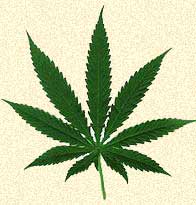
Modalities for the use of
the Cannabis-sativa
There are many alternative routes for
self-administration of THC besides synthetic gelatin capsules.
They all utilize the plant Cannabis sativa as the natural source
of the (legal) drug THC. Each route of administration has its
own advantages and drawbacks, so it is important to find the
right one for your needs.
Smoking Cannabis sativa leaves or flower-buds provides a means
of rapid systemic absorption. This provides rapid feedback for
monitoring the appropriate dosage. As with all medicines, dosage
is key.
The minimum dose for achieving the desired result is best, so
take several small doses rather than one large one to avoid
excess and its attendant side effects. If you are highly sensitive,
try smoking leaves rather than buds to better regulate dosage.
Smoking puts active ingredients into the systemic circulation
which is felt strongly in the central nervous system. To minimize
unwanted elements of smoke and heat, a filtration through water
in a water pipe is highly recommended. This is especially important
since Cannabis smoke contains 30 to 40% more tar than tobacco
smoke. Still, according to the American Cancer Institute, the
risk of lung cancer begins to rise at about 4 cigarettes a day,
which is more than most users smoke.
Eating Cannabis sativa is another route of administration. Cannabis
sativa can be mixed directly into baked goods such as cookies
or first extracted into an oil such as butter or ghee that is
then used in the preparation of various foods.
When ingesting Cannabis sativa orally, it must first be absorbed
in the digestive tract and passed through the liver before it
appears in the systemic circulation. This means that subjective
effects take longer to notice, making initial determination
of the minimum effective dosage somewhat more challenging, as
some patience is required. Also, more of the effect centers
on generalized physical relaxation of the body and less on central
nervous system effects.
Leaf flour may be prepared by straining leaves several times
through a sieve to remove any stems. Leaves can first be crushed
in a large zip lock bag using a rolling pin. You can then grind
the leaves into a flour in a seed mill (coffee grinder) blender
or food processor. Sauté up to 2 cups or 1/2 pound of
fine leaf flour mixed into a pound of melted butter in a frying
pan for 30 minutes on very low heat, stirring constantly so
as not to burn it. A ceramic crock pot can be used if it will
be dedicated for this purpose.
You can then add some of this butter and 2 whipped egg whites
to any cookie recipe, by reducing the amount of flour in the
recipe, since you have added the leaf flour. Other baked goods
and a variety of other recipes can be used as well. If starting
with a package mix for baking, add the butter, an extra egg
and a little extra water if needed.
Leaf butter is made by filling a large pot (on an electric stove)
or crock pot with a gallon of water. Bring the water to a boil
and add a pound of butter plus a half pound of leaf. Lower the
heat to a simmer and continue simmering for several hours, adding
a total of 5-7 gallons over a 48 hour period. The last gallon
of water is added during the final 5 hours of cooking. Then
press the leaf matter to the bottom of the pot using a steamer
basket. Let the pot cool and then scrape the butter off the
top. Mulch the water and the leaf.
Tea is made by steeping leaves or a flower bud, perhaps combined
with other therapeutic or flavorful herbs, for anywhere from
a few minutes up to a couple hours in hot water, milk (e.g.
whole cow’s milk), goat milk, soy milk, a seed milk (sunflower),
nut milk (e.g. almond) or rice milk as a base. Since the active
ingredients are oil soluble, you may notice an oil layer floating
on the top of the tea. Buds may be used efficiently by saving
them to make a second batch of tea. The potency or strength
of the tea can be reduced by dilution if too strong, or increased
by adding tincture (see below) if too weak.
Milk is made by simmering 2 heaping tablespoons of leaf flour
(see above) in a cup of any milk, such as goat milk or a seed,
nut or grain milk for 2 or more hours in a crock pot on low
heat.
Tincture is made by extracting the medicinal properties of leaf
or bud with vodka (potato is best for those with grain sensitivity)
or Tequilla (100% blue agave). For fresh plant material, use
5 parts to 1 part alcohol. For dry material, use 10 parts to
1 part alcohol. Keep the mixture well sealed in a cool, dark
place, preferably in an amber glass bottle, and shake it vigorously
each day for at least 14 days. Tincture is useful for application
topically, sublingually or internally. It can be added to a
tea, mixed with other herbal tinctures or diluted in other drinks.
A compress for topical applications such as pain relief can
be made by soaking a cotton cloth with tea or tincture. Leave
the compress on for at least a half hour.
Proven : Cannabis is Safe
Medicine
The journal PHARMACOLOGICAL REVIEWS reports
that decades of research prove that, "Compared with legal
drugs...marijuana does not pose greater risks." Yet based
upon mortality statistics, we can safely conclude that cannabis
is one of the safest medical drugs known, for, while prescription
drugs, defined as safe by the FDA, kill up to 27,000 and aspirin
up to 1,000 Americans per year, cannabis kills 0 per year. [Figures
published recently in the medical literature conservatively
estimate that over 100,000 Americans die each year from FDA-approved
prescription and over-the-counter pharmaceuticals.]
When we know the facts we can understand why in 1988, after
extensive review of the scientific literature, the DEA's own
administrative judge Frances Young concluded that ``Marijuana
is one of the safest therapeutically active substances know
to man.''
Opponents of legal cannabis access would have us believe that
there is not enough research available to determine its safety.
Nothing could be further from the truth. Cannabis is one of
the most thoroughly researched drugs in history, and the evidence
gathered over the centuries clearly proves that it is safe:
The Indian Hemp Drugs Commission Report (1894): an exhaustive
seven-volume, 3,281-page report that concludes: "Moderate
[cannabis] use produces practically no ill effects." ,
,
The Panama Canal Military Study (1916-1929), amassing extensive
data on the health impact of cannabis smoking upon American
soldiers stationed in Panama, recommends "No steps be taken
by the Canal Zone authorities to prevent the sale or use of
Marihuana." The research also concludes that, "There
is no evidence that Marihuana...is...'habit-forming.'"
,
The LaGuardia Report (1939-1944), commissioned by New York City
Mayor Fiorello LaGuardia, which included evidence gathered over
thousands of years, concluded that "Smoking marihuana does
not lead to addiction... does not lead to morphine, heroin,
or cocaine addiction" and that "the publicity concerning
the catastrophic effects of marihuana smoking in New York City
is unfounded." ,
The Baroness Wootton Report (1968), commissioned by the Advisory
Committee on Drug Dependence of the United Kingdom Home Office,
concluded, "There is no evidence that...serious physical
dangers are directly associated with the smoking of cannabis."
The report also noted that "Cannabis use does not lead
to heroin addiction" and that "there is no evidence
that [cannabis]...is producing in otherwise normal people conditions
of dependence or psychosis, requiring medical treatment."
,
The HARVARD MEDICAL SCHOOL MENTAL HEALTH LETTER reports the
findings of other major cannabis studies:
In three major studies conducted in Jamaica, Costa Rica, and
Greece, researchers have compared heavy long-term cannabis users
with non-users and found no evidence of intellectual or neurological
damage, no changes in personality, and no loss of the will to
work or participate in society. The Jamaican study states that,
even as cannabis use in Jamaica "is pervasive" and
is used "in heavier quantities with greater THC potency
than in the U.S.," its use is "without deleterious
social or psychological consequences."
What's more, the three studies cited, the largest human cannabis
studies to date, also revealed that heavy long term cannabis
users scored slightly higher on IQ tests, had slightly lower
rates of illness and cancer, and lived longer on average than
non-users. Users also proved to be more relaxed and sociable
than non-users. , , The best evidence indicates, contrary to
GovtMedia disinformation, that cannabis is safe and good for
you.
In line with the findings of the Panama Canal study and the
LaGuardia Report, current research confirms that the addictive
potential of cannabis is very low. The journal TRENDS IN PHARMACOLOGICAL
SCIENCES states that research shows cannabis has "limited
potential for development of...psychological dependence due
to the weak reinforcing properties of Delta-9-THC." BRAIN
RESEARCH journal observes, "cannabinoid dependence and
withdrawal phenomena are minimal."
Research proves that cannabis is nontoxic. For example, in the
journal FUNDAMENTAL AND APPLIED TOXICOLOGY, Dr. William Slikker,
director of the Neurotoxicology Division of the National Center
for Toxicological Research (NCTR), described the health of monkeys
exposed to very high levels of cannabis for an extended period:
The general health of the monkeys was not compromised by a year
of marijuana exposure as indicated by weight gain, carboxyhemoglobin
and clinical chemistry/hematology values. When THE ARKANSAS
TIMES asked Dr. Merle Paule of NCTR about evidence of cannabis
toxicity and the health of the monkeys in the study, Dr. Paule
said, "There's just nothing there. They were all fine."
The journal TOXICOLOGY LETTERS published a study that found
no link between cannabis smoking and lung cancer. The seven
researchers in the study concluded:
It has been suggested that marijuana smoking is a proximal cause
of respiratory cancer. However, these intimations have not been
borne out by epidemiological investigation. Not only is the
evidence linking cannabis smoking to cancer negative, the largest
human studies cited indicated that cannabis users had lower
rates of cancer than nonusers. What's more, those who smoked
both cannabis and tobacco had lower rates of lung cancer than
those who smoked only tobacco -- a strong indication of chemo-prevention
, , Even more, in 1975 researchers at the Medical College of
Virginia found that cannabis showed powerful anti-tumor activity
against both benign and malignant tumors (the government then
banned all future cannabis/cancer research). In fact, the NEW
ENGLISH DISPENSATORY of 1764 recommends boiled cannabis roots
for the elimination of tumors. Powerful evidence that cannabis
not only does not cause cancer, but that it may prevent and
even cure cancer.
The few studies that the GovtMedia drums into the public mind
over and over, which claim to show that cannabis is a harmful
drug, are almost all the work of the government's top hired
gun, Dr. Gabriel Nahas. The NEW ENGLAND JOURNAL OF MEDICINE
described Nahas's work as "psychopharmacological McCarthyism
that compels him to use half-truths, innuendo and unverified
assertions." The JOURNAL OF THE AMERICAN MEDICAL ASSOCIATION
also condemned his work, stating, "Examples of biased selection
and...omissions of facts abound in every chapter."
Conclusion:
Not only does the best scientific research
overwhelmingly confirm that cannabis is both an effective medicine
and a safe drug, but that it may be both chemo-preventive and
therapeutic and generally beneficial to health. What this shows
us most clearly, in light of the consensus to the contrary,
is the enormous power of a Big Lie.
With its vast resources, the "GovtMedia elite" is
able to fabricate and fob off a pharmacological fraud against
both cannabis and the public interest. Through sheer repetition
and consistent suppression of contrary information, they are
able to construct an edifice of public consensus, which even
the hardest scientific facts fail to topple.
The truth is no stronger than the ability of true information
to surpass the public distribution of false and misleading information.
The GovtMedia has a greater ability to distribute a Big Lie
than any other sector of society has to distribute the truth.
However, this report right here contains copious quantities
of carefully referenced scientific facts that consistently and
conclusively confirm that cannabis is safe --thereby exploding
the GovtMedia's Big Lie.
As truth is only as powerful as it is
known, do all that is in your power to make these powerful facts
known, that we might put an end to the destructive and illogical
prohibition of the proven safe and effective drug cannabis,
for possession of which 10 million Americans have been arrested
since 1965.
Epilogue
The modern American culture incarcerates
a higher percentage of its population than any other in history.
Most of these individuals who help to make up a vast market
of near-slave labor for private money interests, have committed
acts which historically have never been classified as crimes,
such as the medicinal or other personal use of a plant provided
by God through nature. In true, classical law, a crime demands
an injured party. In most crimes today, the injured party is
the ‘criminal’. As laws multiply, including outrageous
tomes with thousands of pages, such as NAFTA and GATT, which
no member of Congress or President even read before voting in
and signing into law, ultimately there are so many laws, especially
those with crimes contrived where no party is injured, that
everyone is a criminal, and only the arbitrary and capricious
use of power against those segments of society who are in disfavor
determine who lands in prison and who remains ‘free’
in a society largely composed of wage-slaves.
As an example, consider Peter McWilliams.
Peter was on a number of prescription medications for a life-threatening
illness, and in order to keep them down, the only solution that
worked was the use of Cannabis together with adequate rest and
other stress reduction measures. Then, when confined to jail
by Federal Judge George King who failed to allow him access
to an effective anti-emetic, Peter was found choked to death
in a state where the voters had passed a law specifically for
seriously ill people like Peter to have access to medical Cannabis.
Through negligence to stop and correct wrongs such as these,
many government officials are betraying the public trust by
perjuring their sacred oaths of office and committing heinous
acts of genocide and apartheid for which they will have to be
held accountable through the world court system.
References: (see
print version for footnotes)
Snyder, S.: Uses of Marijuana, New York:
Oxford University Press (1970), 125.
Snyder, S.: "What We Have Forgotten About Pot-A Pharmacologist's
History," New York Times Magazine, (New York, New York)
(December 13, 1970).
Mikuriya, T. H.: "Marihuana In Medicine: Past, Present
and Future," California Medicine, 110 (January 1969). Murphy,
H. B. M.: "The Cannabis Habit: A Review of Recent Psychiatric
Literature," Bulletin on Narcotics, 15(l) (1963) p. 34.
Reynolds, J.R. "On the Therapeutic Uses and Toxic Effects
of Cannabis Indica". Lancet, 1890; 1: 637-638.
Robinson, 1946: 382-383
Reininger, W.: "Remnants From Historic Times," Andrews
G. and Vinkenoog, S., (eds.) The Book of Grass: An Anthology
on Indian Hemp, London: Peter Owen Limited (1967): 14-15.
Pharmacological Basis of Therapeutics by Goodman and Gilman
(1970: 300).
Murphy, H. B. M. (1963: 20)
Felter, H.W. (M.D.) and Lloyd, J.U. (Phr.M., Ph.D.) King’s
American Dispensatory (Eighteenth Edition, Third Revision) 1898:
422-7.
Clarke, J.H. (M.D.), Dictionary of Practical Materia Medica,
1900: 380-3.
Clarke, J.H. (M.D.), Dictionary of Practical Materia Medica,
1900: 380-3.
Clarke, J.H. (M.D.), Dictionary of Practical Materia Medica,
1900: 380-3.
Cooler P., Gregg J.M., Effect of delta-9-tetrahydrocannabinol
on intraocular pressure in humans, S outhern Medical Journal
1977; 70:951-54.
Cooler P., Gregg J.M., Effect of delta-9-tetrahydrocannabinol
on intraocular pressure in humans, S outhern Medical Journal
1977; 70:951-54.
Goldberg I., Kass M.A., Becker B., Marijuana as a treatment
for glaucoma, The Sightsaving Review, Winter 1978-79, 147-155.
Zimmerman T.J., Marijuana in opthalmology - past, present and
future, Annals of Opthalmology 1979;203-05.
U.S. Rescinds approval of marijuana as therapy, The New York
Times March 11, 1992.
Janet E. Joy, Stanley J. Watson, Jr., and John A. Benson, Jr.,
Editors; Marijuana and Medicine: Assessing the Science Base,
Table 1.5, Institute of Medicine (1999)
Joy, J.E. et al., Editors, "Marijuana and Medicine: Assessing
the Science Base", Table 1.5, Institute of Medicine (1999)
Karniol IG, Shirakawa I, Kasinski N, Pfeferman A, Carlini EA.
"Cannabidiol interferes with the effects of delta-9-tetrahydrocannbinol
in man". European Journal of Pharmacology 1975; 28:172-177.
Zuardi AW, Shirakawa I, Finkelfarb E, Karniol IG. "Action
of cannabidiol on the anxiety and other effects produced by
delta 9-THC in normal subjects". Psychopharmacology (Berl)
1982; 76:245-250.
Bird KD, Boleyn T, Chesher GB, Jackson DM, Starmer GA, Teo RKC.
"Inter-cannabinoid and cannabinoid-ethanol interactions
and their effects on human performance". Psychopharmacology
1980; 71:181-188.
Hollister LE, Gillespie BA. "Interactions in man of delta-9-THC.
II. Cannabinol and cannabidiol". Clinical Pharmacology
and Therapeutics 1975; 18:80-83.
Doblin and Kleiman, "Marihuana as Anti-emetic Medicine:
A Survey of Oncologists' Attitudes and Experiences", J.
Clin. Oncology 9 (191): 1275-1280.
Ungerleider JT; Andrysiak T: Therapeutic issues of marijuana
and THC (tetrahydrocannabinol). Int J Addict 1985 May; 20(5):691-9
Chang AE, Schilling DJ, Stillman RC, Et Al: Delta-9-tetrahydrocannabinol
as an antiemetic in cancer patients receiving high dose methotrexate.
Ann Intern Med 1979; 91:819-24
Vinciguerra, Moore and Brennan, "Inhalation Marijuana as
an Anti-emetic for Cancer Chemotherapy", NY State J. Med.
88 (Oct 1988): 525-527.
Chang et al., "Delta-9-THC as an Antiemetic in Cancer Patients
Receiving High-dose Methotrexate", Ann. Internal Med. 91
(1979): 819-824.
B. Zimmerman et al., "Is Marijuana the Right Medicine for
You? A Factual Guide to Medical Uses of Marijuana", New
Canaan, CT: Keats Publishing (1998), 16.
L. Harris et al., "Anti-tumoral Properties of Cannabinoids,"
The Pharmacology of Marihuana, ed. M. Braude et al., 2 vols.,
New York: Raven Press (1976) 2: 773-776 as cited by L. Grinspoon
et al., Marihuana: The Forbidden Medicine (second edition),
New Haven, CT: Yale University Press (1997), 173.
J. James, "Unpublished Federal Study Found THC-Treated
Rats Lived Longer, Had Less Cancer," AIDS Treatment News
263 (1997).
"Toxicology and Carcinogenesis Studies of 1 trans-delta-9-tetrahydrocannabinol
in F344N/N Rats and BC63F1 Mice," National Institutes of
Health National Toxicology Program, NIH Publication No. 97-3362
(November 1996).
L. Grinspoon et al., Marihuana: "The Forbidden Medicine"
(second edition), 173.
L. De Petrocellis et al., The endogenous cannabinoid anandamide
inhibits human breast cancer cell proliferation, Proceedings
of the National Academy of Sciences 95 (1998): 8375-8380.
"Pot Chemicals Might Inhibit Breast Tumors, Stroke Damage,"
Dallas Morning News, July 13, 1998.
Merritt JC, Crawford WJ, Alexander PC, Anduze AL, Gelbart SS:
Effect of marihuana on intraocular and blood pressure in glaucoma.
Ophthalmology 1980; 87:222-28
Hepler and Frank, "Marihuana Smoking and Intraocular Pressure",
JAMA 217 (1971): 1392.
Hepler, Frank, and Petrus, "Ocular Effects of Marijuana
Smoking", in The Pharmacology of Marijuana, ed. Braude
and Szara. (NY: Raven, 1976), vol.2: 815-824.
Y. Chen et al. “Cannabinoids protect cells from oxidative
cell death: A receptor independent mechanism.” J Pharmacol
Exp Ther 293 (2000): 807-812.
A. Hampson et al. “Neuroprotective antioxidants from marijuana.”
Ann NY Acad Sci 899 (2000): 274-282.
A. Hampson, et al., “Cannabidiol and delta-9-tetrahydrocannabinol
are neuroprotective antioxidants,” Proceedings of the National
Academy of Sciences 95 (1998): 8268-8273. http://www.pnas.org/all.shtm
“Marijuana’s Healing Properties,” Associated
Press, July 5, 1998. http://www.mapinc.org/drugnews/v98/n529/a04.html
T. Radford, “Cannabis is stroke hope,” The (U.K.)
Guardian, July 4, 1998. http://www.mapinc.org/drugnews/v98/n522/a02.htm
Y. Chen et al. “Cannabinoids protect cells from oxidative
cell death: A receptor independent mechanism.” J Pharmacol
Exp Ther 293 (2000): 807-812.
“Pharmos Announces Successful Phase II Head Trauma Study:
Marijuana Benefits Brain Injured Patients,” Pharmos Corp.
Press Release, October 7, 1998. http://www.pharmoscorp.com/dexanabinol.htm
“U.S. Army Finds Pharmos’ Dexanabinol Effective in
Treating Damage Caused By Nerve Gas Exposure,” Pharmos
Corp. Press Release, June 3, 1998. http://www.pharmoscorp.com/nervegas.htm
M. Filbert et al. “Neuroprotective effects of HU-211 on
brain damage from soma-induced seizures.” Ann NY Acad Sci
890 (1999): 504-514
J. Joy et al., "Marijuana and Medicine: Assessing the Science
Base", Washington D.C.: National Academy Press (1999),
47 http://bob.nap.edu/books/0309071550/html/
Clifford, "THC for Tremor in Multiple Sclerosis",
Ann. Neurology 13 (1983): 669-671.
Meinck et al., "Effects of Cannabinoids on Spasticity and
Ataxia in Multiple Sclerosis", J. Neurology 236 (1989):
120-122.
Lyman et al., "Delta-9-THC: A Novel Treatment for Experimental
Autoimmune Encephalitis", J. Neuroimmunology 23 (1989):
73-81.
Petro DJ, Ellenberger C Jr, Treatment of human spasticity with
delta 9-tetrahydrocannabinol. J Clin Pharmacol 1981 Aug-Sep;21(8-9
Suppl):413S-416S
Ungerleider JT, Andyrsiak T, Fairbanks L, Ellison GW, Myers
LW, Delta-9-THC in the treatment of spasticity associated with
multiple sclerosis. Adv Alcohol Subst Abuse 1987;7(1):39-50
Clifford DB, Tetrahydrocannabinol for tremor in multiple sclerosis.
Ann Neurol 1983 Jun;13(6):669-71
Volfe, Dvilansky, and Nathan, "Cannabinoids Block Release
of Serotonic from Platelets Induced by Plasma from Migraine
Patients", Int'l. J. Clin. and Pharm. Res. 5 (1985): 243-246.
Malec, Harvey, and Cayner, "Cannabis Effect on Spasticity
in Spinal Cord Injury", Arch. Physical and Med. Rehab.
63 (March 1982): 116-118.
Maurer et al., "Delta-9-THC Shows Antispastic and Analgesic
Effects in a Single Case Double-Blind Trial", Eur. Arch.
Psychiatry and Clin. Neurosci. 240 (1990): 1-4.
Conrad, Chris. "Hemp for Health". Healing Arts Press.
Los Angeles, CA. 1993, 1994, p.20.
R. Callahan, "How Does Marijuana Kill Pain," Associated
Press, October 4, 1998.
Noyes, Brunk, Avery, and Canter, "The Analgesic Properties
of Delta-9-THC and Codeine", Clin. Pharm. and Therapeutics
18 (1975): 84-89.
Milstein, MacCannel, Karr, and Clark: "Marijuana-produced
Changes in Pain Tolerance: Experienced and Non-experience Subjects",
Int'l. Pharmacopsychiatry 10 (1975): 177-182.
"Review of the Human Studies on the Medical Use of Marijuana,"
Dale Gieringer, Ph.D. (1996).
E. Formukong et al., "Analgesic and Antiinflammatory Activity
of Constituents of Cannabis Sativa L.," Inflammation 12
(1988): 361.
B. Zimmerman et al., "Is Marijuana the Right Medicine for
You?" A Factual Guide to Medical Uses of Marijuana, New
Canaan, CT: Keats Publishing (1998), 126-132.
L. Grinspoon et al., "Marihuana: The Forbidden Medicine"
(second edition), New Haven, CT: Yale University Press (1997),
186-188.
See [Eating disorders] citations 5-8.
V. Vinciguerra et al., Inhalation marijuana as an anti-emetic
for cancer chemotherapy, New York State Journal of Medicine,
(1988): 525-527.
P. Consroe and S. Snider, "Therapeutic Potential of Cannabinoids
in Neurological Disorders," in Cannabinoids as Therapeutic
Agents, ed. R. Mechoulam, Boca Raton, FL: CRC Press (1986),
21-50.
Interview with Mahmoud Elsohly, director of the U.S. National
Institute on Drug Abuse (NIDA) Marijuana Project, on December
19, 1995, in the Journal of The International Hemp Association,
3 (1996): 24-28.
E. Formukon et al., Analgesic and anti-inflammatory activity
of constituents of Cannabis Sativa L., Inflammation 12 (1988)
J. Baron et al., "Ulcerative colitis and marijuana,"
Annals of Internal Medicine 112 (1990): 471.
Pharmos Corporation Press Release, May 21, 1998.
W. Hall, et al., The Health and Psychological Consequences of
Cannabis Use, Canberra, Australian Government Publishing Service
(1994): 194.
"Review Of Human Studies On Medical Use Of Marijuana,"
Dale Gieringer, Ph.D., (1996).
D. Tashkin et al., Effects of smoked marijuana in experimentally
induced asthma, American Review of Respiratory Disease 112 (1975):
377-386 as cited by W. Hall, et al., The Health and Psychological
Consequences of Cannabis Use, 194.
Vachon et al., "Airways response to Aerosolized Delta-9-THC:
Preliminary Report", in The Therapeutic Potential of Marijuana,
ed. Cohen and Stillman.
House of Lords Select Committee on Science and Technology, "Ninth
Report," London: United Kingdom (1998): Chapter 5, Section
5.32.
W. Hall, et al., The Health and Psychological Consequences of
Cannabis Use, 194; C. Conrad, Hemp for Health: The Medicinal
and Nutritional Uses of Cannabis Sativa, Rochester, VT: Healing
Arts Press (1997), 99-101.
E. Formukon et al., "Analgesic and anti-inflammatory activity
of constituents of Cannabis Sativa L.," Inflammation 12
(1988).
B. Zimmerman et al., "Is Marijuana the Right Medicine for
You?" A Factual Guide to the Medical Uses of Marijuana,
New Canaan, CT: Keats Publishing (1998), 124-125; C. Conrad,
Hemp for Health: The Medicinal and Nutritional Uses of Cannabis
Sativa," 99-101.
Davis and Ramsey, "Antiepileptic Action of Marijuana-Active
Substances", Federation Proceedings 8 (1949): 284-285.
Consroe, Wood, and Buchsbaum, "Anticonvulsant Nature of
Marijuana Smoking", JAMA 234 (1975): 306-307.
Cunha, Carlini, Periera, et al., "Chronic Administration
of Cannabidiol to Healthy Volunteers and Epileptic Patients",
Pharmacology 21 (1980): 175-185.
PHARMACOLOGICAL REVIEWS: Health Aspects of Cannabis. 1986, 38:1,
1-20. pg. 17.
Bureau of Mortality Statistics, 1988. U.S. Public Health Service
statistics. National Institute of Drug Abuse statistics. U.S.
Surgeon General's Report.
The Emperor Wears No Cloths. Jack Herer, Queen of Clubs Pub,
1991. Recommended: 213-392-1806.
INTERNATIONAL JOURNAL OF ADDICTIONS. Spring 1968, digest of
1894 Indian Hemp Drugs Commission Report.
The Indian Hemp Drugs Commission Report of 1894. Jefferson Press,
Silv.Spring, MD, 1969, John Kaplan.
National Norml Research Studies
National Norml Research Studies
MILITARY SURGEON. 1933, vol:73, pages 269-280.
National Norml Research Studies
The La Guardia Report, reprinted in "The Marijuana Papers,"
Indianapolis: Bobbs-Merrill, 1966.
National Norml Research Studies
The Consumer's Union Report: Licit & Illicit Drugs. Mt.
Vernon, New York, 1971.
HARVARD MEDICAL SCHOOL MENTAL HEALTH LETTER:Marijuana. L. Grinspoon,
vol. 4, no. 5. Nov, 1987.
Ganja in Jamaica: A Medical Anthropological Study of Chronic
Marijuana Use. 1975. Anchor Books, NY.
The Emperor Wears No Cloths. Jack Herer, Queen of Clubs Pub,
1991.
Ganja in Jamaica: A Medical Anthropological Study of Chronic
Marijuana Use. 1975. Anchor Books, NY.
Cannabis in Costa Rica: A Study of Chronic Marijuana Use, 1980-82,
Institute for the Study of Human Issues, 3401 Science Center
Philadelphia, PA.
TRENDS IN PHARMACOLOGICAL SCIENCES: Neurobiology of Marijuana
Abuse. 1992, 13:201-206. pg. 203.
BRAIN RESEARCH: Chronic cannabinoid administration alters cannabinoid
receptor binding in rat brain: a quantitative autoradiographic
study. 1993, 616:293-302. pg. 300.
FUNDAMENTAL AND APPLIED TOXICOLOGY: Chronic Marijuana Smoke
Exposure in the Rhesus Monkey. 1991, Aug; 17, 321-34.
THE ARKANSAS TIMES: Refer Madness. 9/16/93.
TOXICOLOGY LETTERS, "No Increase in Carcinogen-DNA Adducts
in the Lungs of Monkeys Exposed Chronically to Marijuana Smoke,"
1992, Dec;63 (3): 321-32.
The Emperor Wears No Cloths. Jack Herer, Queen of Clubs Pub,
1991.
Ganja in Jamaica: A Medical Anthropological Study of Chronic
Marijuana Use. 1975. Anchor Books, NY.
Cannabis in Costa Rica: A Study of Chronic Marijuana Use, 1980-82,
Institute for the Study of Human Issues, 3401 Science Center
Philadelphia, PA.
The Emperor Wears No Cloths. Jack Herer, Queen of Clubs Pub,
1991.
Marijuana: The First 12,000 Years. Plenum Press, 1980.
The Great Drug War, Macmillan Publishing, 1987.
Marijuana Policy Project, 202-462-5747, P.O. Box 77492, Capitol
Hill, Washington, D.C. 20013. http://www.mpp.org, [email protected]
__________________________
|
